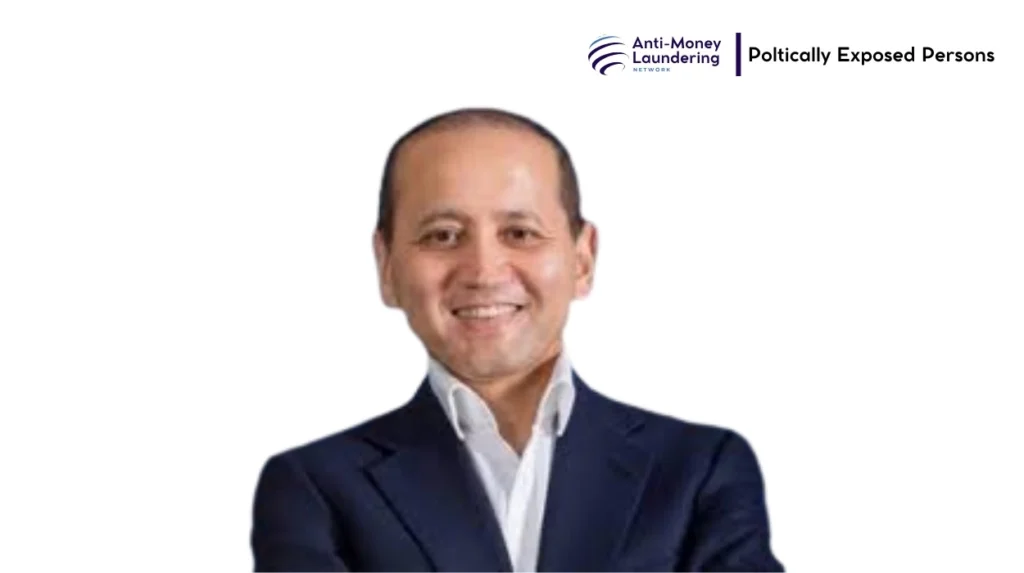
Mukhtar Ablyazov is a prominent Kazakh businessman and political figure, widely known for his influential role in Kazakhstan’s banking sector and his controversial involvement in significant financial misconduct allegations. His career has been marked by dramatic achievements and equally dramatic legal battles, making him a notable figure in discussions of politically exposed persons (PEPs) and anti-money laundering (AML) issues on a global scale. Understanding Mukhtar Ablyazov’s life and legacy provides insight into the challenges surrounding financial transparency and political influence in emerging economies.
Early Life and Background
Mukhtar Ablyazov was born in 1963 in Kazakhstan, a country that was then part of the Soviet Union. His early years were shaped by the environment of a rapidly changing geopolitical landscape. Ablyazov pursued higher education, attending university where he acquired the necessary qualifications to enter the professional world. His education and early career laid the groundwork for his entrance into Kazakhstan’s energy and banking sectors, sectors of strategic importance to the country’s economy during its post-Soviet transition period.
Personal Life
Details about Mukhtar Ablyazov’s personal life point to a man with a family, including his spouse and children. While information about his private residence or office address is not widely publicized, his family ties occasionally come under scrutiny due to the complex nature of his financial dealings. The intersection of his family life with his public and legal challenges adds layers to the narrative of his influence and operations.
Career and Achievements
Mukhtar Ablyazov’s career is notable for its trajectory from technical and managerial roles to becoming one of Kazakhstan’s most influential banking directors. Initially building a professional background as a data engineer, Ablyazov later assumed leadership roles in major Kazakh institutions, including the Ministry of Energy and industry-related enterprises. His most significant role was as chairman of BTA Bank, formerly Bank Turan Alem, where he oversaw rapid expansion and loan issuance. However, his time at the bank also coincided with allegations of financial fraud and embezzlement, leading to his high-profile legal case. The Mukhtar Ablyazov case centers around accusations of abuse of office and massive fraud, making it one of the most infamous examples of financial misconduct in the post-Soviet economic space.
Lifestyle, Wealth, and Assets
Regarding lifestyle and wealth, Mukhtar Ablyazov’s net worth has been a subject of speculation and investigation. Reports suggest that during his tenure in banking and politics, Ablyazov acquired substantial assets, including luxury properties and other high-value holdings, which were allegedly concealed through a network of offshore companies. Specific details such as his palace or yacht have appeared in investigative reports, though precise information about his current address or asset locations remains obscure due to ongoing legal disputes and asset recovery efforts.
Influence, Legacy, and Global Recognition
Mukhtar Ablyazov’s influence extends beyond Kazakhstan, impacting international perceptions of corruption and elite networks in the region. His legacy includes being a symbol of the entanglement between political power and financial operations, illustrating how politically exposed persons can manipulate systems to their advantage. His political endeavors, such as leading opposition groups, have also given him a controversial global profile. Ablyazov’s case has attracted attention among regulators, financial watchdogs, and governments seeking to better understand and combat transnational financial crimes.
Financial Transparency and Global Accountability
The story of Mukhtar Ablyazov is also an important case study in financial transparency and global accountability. As a politically exposed person, his dealings highlight vulnerabilities in anti-money laundering regimes and the challenges that arise when political protection shields illicit activities. His use of offshore structures and complex corporate networks demonstrates common methods of laundering illicit wealth. The ongoing legal proceedings and asset recovery attempts underscore the difficulties in enforcing rules on high-profile individuals with significant political and financial clout.
Mukhtar Ablyazov remains a figure of considerable controversy and influence. His career arc from a skilled professional to a major banking figure embroiled in legal battles encapsulates broader themes of governance, corruption, and the intersection of politics and finance in transitional economies. Despite convictions and widespread allegations, his ability to evade full accountability highlights systemic weaknesses in global financial oversight. Studying Mukhtar Ablyazov’s life and case is essential for those seeking to understand the complexities of politically exposed persons and the ongoing fight against financial crimes worldwide.