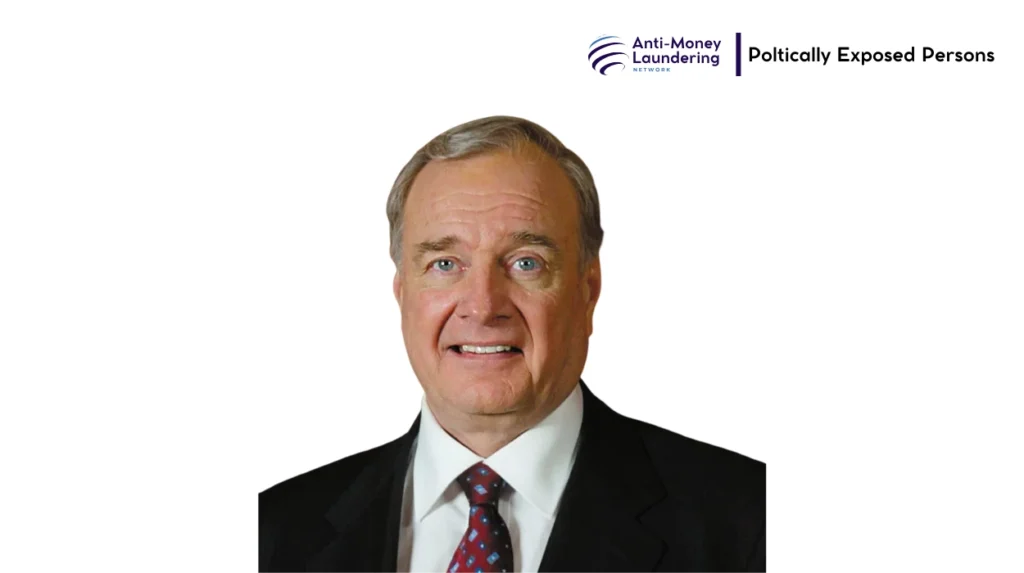
Paul Martin is a prominent Canadian statesman renowned for his tenure as the 21st Prime Minister Paul Martin of Canada from 2003 to 2006. Widely recognized in Canadian political history, Paul Martin was a key figure in fiscal reforms that reshaped Canada’s economy during his time as Minister of Finance before taking the highest office in the country. His contributions to healthcare, social policy, and indigenous affairs marked his prime ministership, alongside efforts to modernize Canada’s fiscal framework. This article explores his life, personal background, career, and legacy in detail.
Early Life and Background
Born on August 28, 1938, in Windsor, Ontario, Paul Martin’s place of birth deeply influenced his Canadian roots and identity. Holding Paul Martin Nationality and citizenship as Canadian, he hails from a family with a rich political background. His father, Paul Martin Sr., served as a long-standing Member of Parliament and Cabinet minister, which likely shaped Martin’s political aspirations and ideology.
Educated at the University of Toronto and subsequently at Harvard University’s Kennedy School of Government, Paul Martin’s education equipped him with a strong foundation in economics and public policy. His faith, identified as Roman Catholic, also shaped his early worldview. This mix of solid intellectual background and family influence positioned Martin as a rising political figure in Canada.
Personal Life
Paul Martin’s family has been an essential part of his biography. He is married to Sheila Martin, recognized as Paul Martin Spouse, who has shared his journey through political highs and lows. Together, they have three children, including Paul Martin Jr., who has continued the family legacy in business and public service. The familial connection extends into business as well, with the Martin family’s ownership of Canada Steamship Lines, a major player in Canadian shipping.
Career and Achievements
Paul Martin’s position as Canada’s Minister of Finance from 1993 to 2002 is widely regarded as transformative. During this period, he eliminated the country’s budget deficit, ushering in five years of budget surpluses—an achievement that restored fiscal credibility to Canada’s economy and lowered national debt. This fiscal conservatism was marked by significant tax cuts and reforms that positioned Canada as a stable economic actor on the world stage.
Elected Prime Minister Paul Martin in 2003, he inherited a nation eager for progressive reforms. His government introduced a landmark national child-care program, sought improvements in healthcare including significant funding boosts, and passed the Civil Marriage Act, making Canada one of the first countries to legalize same-sex marriage. His commitment to Indigenous affairs was embodied in the Kelowna Accord, an ambitious but ultimately unfulfilled plan to address educational and health disparities between Indigenous and non-Indigenous Canadians.
Despite these achievements, his premiership was marred by the Sponsorship Scandal’s lingering fallout, affecting public trust and leading to the Liberal Party’s defeat in 2006. Nonetheless, his political reforms continue to influence Canada’s policy arena.
Lifestyle, Wealth, and Assets
Regarding Paul Martin net worth, he is known for a dignified lifestyle reflective of a public servant rather than extravagant displays of wealth. The Martin family’s substantial involvement with Canada Steamship Lines marked their business footprint, with offshore subsidiaries noted in public documents but no personal accusations of financial misconduct against Martin himself. There are no public records of palatial estates or luxury yachts.
Influence, Legacy, and Global Recognition
Prime Minister Paul Martin commands respect for his fiscal prudence and socially progressive reforms. Internationally, Martin is credited with solidifying Canada’s reputation as a responsible economic actor. His post-premiership focus on global development and Indigenous entrepreneurship continues to amplify his influence beyond domestic politics. The Paul Martin Centre, dedicated to public policy research, reflects his enduring commitment to governance and community welfare.
The debate over Was Paul Martin a good prime minister remains nuanced; while praised for policy achievements, political controversies somewhat tempered his legacy.
Financial Transparency and Global Accountability
As a Politically Exposed Person (PEP), Paul Martin represents the complexities of elite governance in the modern era. While his family business was involved in offshore financial strategies, there is no verified evidence implicating him in money laundering or illicit financial conduct. This situation underscores challenges in political systems like Canada’s, where the interplay of power, wealth, and offshore structures may raise questions about transparency and accountability.
Canada’s democratic institutions and inquiries, such as the Gomery Commission investigating government corruption, demonstrated a willingness to confront elite misconduct. However, the potential for impunity remains a broader concern in governance, as PEPs operate within a global environment where financial secrecy jurisdictions complicate enforcement.
Paul Martin’s current status as a retired statesman belies a legacy marked by fiscal discipline, social reform, and complex political challenges. His life story intertwines with Canada’s economic revitalization and progressive policy shifts in the early 21st century. While his tenure faced setbacks, his influence on Canadian politics, policy, and governance persists, making him a significant figure in the narrative of modern Canada. Through fiscal reform and social activism, Canadian Prime Minister Paul Martin remains a key study of leadership in balancing economic stewardship with societal progress.