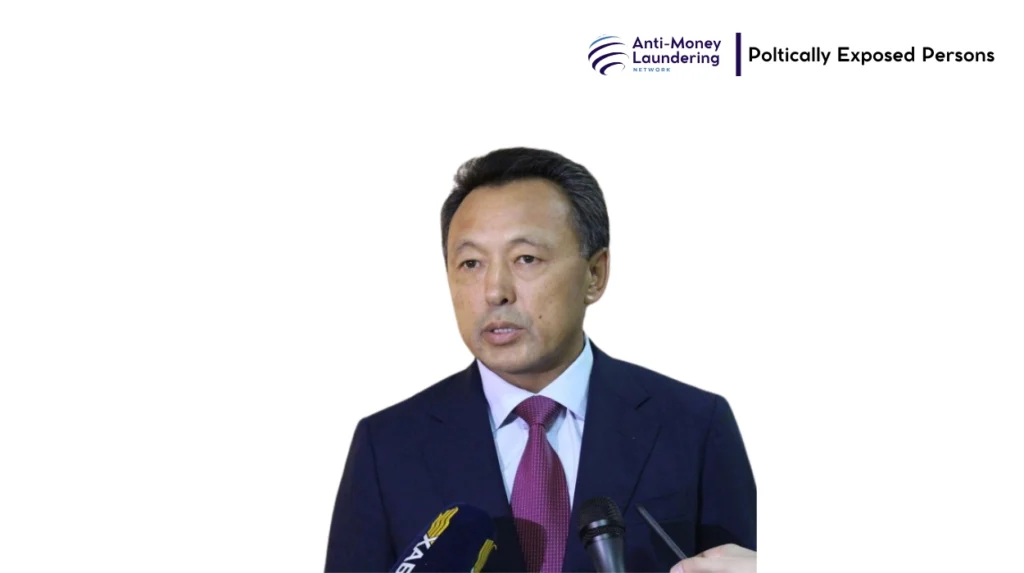
Sauat Mukhametbayevich Mynbayev is a prominent Kazakh politician and economist with a significant impact on Kazakhstan’s energy sector. Known for his leadership roles in major state enterprises and government ministries, Mynbayev’s career spans decades, marked by influence over one of the world’s leading oil-producing countries. His nationality and citizenship reflect his deep roots in Kazakhstan, where he has shaped both policy and industry. Despite a successful public service trajectory, his career has been shadowed by controversies related to offshore holdings and financial transparency.
Early Life and Background
Born on November 19, 1962, Sauat Mukhametbayevich Mynbayev entered the world during the Soviet era in the Kazakh SSR. His place of birth situated him within the evolving political landscape of Central Asia. He pursued higher education at Moscow State University, where he earned a degree in economics followed by a master’s degree. This academic foundation in economics greatly influenced his career path, leading him into finance, governmental roles, and strategic sectors within Kazakhstan. The emphasis on economic education underpinned his understanding of Kazakhstan’s resource-driven economy and policy challenges.
Personal Life
While public information about Sauat Mukhametbayevich Mynbayev’s family remains limited, it is known that he has a spouse and children, aspects rarely covered in detail by public records or media. His family life, largely kept private, complements his public persona as a political figure. Details such as his religion have not been extensively documented, reflecting a common culture of privacy among Kazakhstan’s political elite. These personal facets, although less visible, provide a backdrop to a career steeped in national service and complex financial dealings.
Career and Achievements
Sauat Mukhametbayevich Mynbayev’s position within Kazakhstan’s government and industry has been multifaceted. Beginning his career in the early 1990s, Mynbayev occupied senior roles in Kazakhstan’s financial institutions and government ministries. He served as Minister of Agriculture, Finance Minister, and later took on critical roles in energy and mineral resources sectors. Between 2010 and 2013, he was the Minister of Oil and Gas, a pivotal period that saw him influence and direct the country’s core economic activities tied to energy exports.
His leadership extended to commerce and transportation, notably as CEO of KazMunayGaz, Kazakhstan’s national oil and gas company, and later as Chairman of Kazakhstan Temir Zholy, the state-owned railway company. Through these roles, Mynbayev was central to strategic projects like the Kazakhstan-China oil pipeline and managing state assets in oil extraction, rail logistics, and export infrastructure. His tenure contributed to Kazakhstan’s regional and global positioning in the energy market.
Lifestyle, Wealth, and Assets
The exact details of Sauat Mukhametbayevich Mynbayev net worth are not publicly verified; however, investigative journalism and leaks have linked him to substantial offshore holdings. These assets, partly concealed in companies registered in tax havens such as Bermuda, include stakes in Meridian Capital Ltd., a multi-billion-dollar investment vehicle active in Kazakhstan’s oil, gas, and transportation sectors. Reports suggest that his lifestyle includes possession of luxury assets and possibly real estate portfolios abroad, though these details remain unconfirmed and shrouded in secrecy.
Despite the lack of transparent financial declarations, the breadth of his connections to resource-rich industries and offshore holdings paints a picture of considerable wealth accumulation beyond his official income. The infrastructural projects and companies under his influence further hint at the substantial material benefits he could derive from his career.
Influence, Legacy, and Global Recognition
As a technocrat and policymaker, Sauat Mukhametbayevich Mynbayev left a lasting imprint on Kazakhstan’s energy policy and infrastructure development. His stewardship of strategic national companies and ministries helped position Kazakhstan as a critical player in global energy markets, especially through export pipelines and resource development. Internationally, his name surfaced in major financial leaks such as the Paradise Papers, drawing attention to the opaque nexus between political authority and private wealth.
Mynbayev’s legacy is a blend of administrative accomplishments and controversy. His career exemplifies the complex interplay between governance and economic power in Kazakhstan, illustrating how senior officials can profoundly affect the country’s trajectory. Despite no formal legal convictions, global watchdogs and investigative bodies have spotlighted his offshore interests, spurring calls for enhanced transparency and governance reforms in Kazakhstan.
Financial Transparency and Global Accountability
As a Politically Exposed Person (PEP), Sauat Mukhametbayevich Mynbayev epitomizes the challenges facing global efforts against corruption and illicit financial flows. His role in channeling state-linked resources into complex international corporate structures reflects systemic vulnerabilities in Kazakhstan’s political and financial systems. The secrecy surrounding his assets and the concealment from public scrutiny highlight broader deficiencies in accountability mechanisms.
The juxtaposition of Mynbayev’s official responsibilities with his personal financial dealings raises critical concerns about abuse of power and conflicts of interest. While there are no publicly confirmed sanctions or legal repercussions, the intricate offshore networks and reluctance of Kazakh authorities to pursue transparent investigations underscore the persistent shields for elite impunity. His case calls for rigorous enforcement of anti-money laundering regulations and political reforms to ensure fiscal responsibility among high-ranking officials.
Sauat Mukhametbayevich Mynbayev remains a consequential figure in Kazakhstan’s political and economic history. His contributions to the nation’s energy sector and infrastructure development are significant, yet his career also embodies issues of corruption risk and governance weakness characterizing many resource-rich states. Understanding his personal background, professional path, and financial dealings sheds light on the intricate realities of power and wealth in Kazakhstan. His story serves as a reference point for ongoing debates about financial transparency, ethical governance, and the need for reform in politically exposed realms.