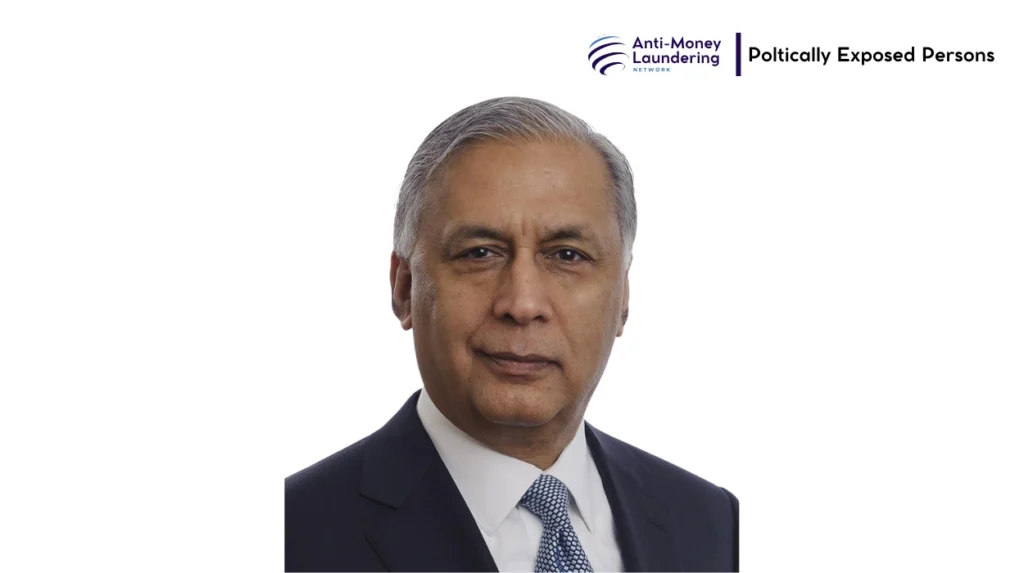
Shaukat Aziz is a Pakistani-born British former banker and politician who served as the 15th Prime Minister of Pakistan from 2004 to 2007. Prior to his premiership, he was the country’s Finance Minister from 1999 until 2004. Known for a lengthy career at Citibank before entering politics, Aziz played a central role in Pakistan’s economic reforms, steering the nation through one of its most significant economic turnarounds. This article explores the life, career, and legacy of Shaukat Aziz, addressing his background, family, achievements, and the controversies surrounding his time in public office.
Early Life and Background
Born on March 6, 1949, in Karachi, Pakistan, Shaukat Aziz’s date of birth marks the beginning of a life that would bridge global finance and Pakistani politics. He pursued his higher education at the Institute of Business Administration (IBA) in Karachi, attaining qualifications that propelled him into the corporate world. His education and early career set a foundation for his eventual leap into politics, highlighted by a 30-year tenure at Citibank, including roles as executive vice president and president of the Citi Private Bank.
Personal Life
Shaukat Aziz’s family has been an integral part of his journey. He is married to Shaukat Aziz’s wife, whose name is known publicly, and they have children, including a daughter and other children that are part of his close family circle. Notably, his son passed away, a personal tragedy that shaped his private life away from the public eye. His family includes siblings, such as his brother, and his extended family maintains a relatively low profile. Throughout his political career, he has balanced his duties with familial responsibilities.
Career and Achievements
Before entering politics, Shaukat Aziz’s career at Citibank spanned three decades, where he gained international exposure in banking and finance. He was handpicked by General Pervez Musharraf to serve as Pakistan’s Finance Minister in 1999—a critical appointment that signaled the start of his political journey.
As Finance Minister, Aziz was tasked with stabilizing Pakistan’s economy amidst internal and external challenges. His policies focused on liberalization, deregulation, and privatization, fostering economic growth, and attracting foreign investment. In 2004, he was appointed Pakistan’s Prime Minister, making him the former prime minister of Pakistan who completed a full term in office—a milestone in the country’s political history.
During his tenure, his cabinet aggressively pursued economic reforms, infrastructure development, and poverty reduction initiatives. His government pushed for energy sector reforms and launched programs to improve local governance. He also survived a major Shaukat Aziz assassination attempt by an Al-Qaeda suicide bomber in 2004, which underscored the perils associated with his role.
Lifestyle, Wealth, and Assets
While Aziz’s public role animated Pakistan’s economic resurgence, questions about his net worth and financial transparency have circulated. Allegations from international investigative leaks such as the Paradise Papers connected him with offshore trusts and shell companies used to hold assets discreetly. His wealth is reportedly substantial, blending income from his banking career and political appointments. Details about his lifestyle, including any luxury properties or assets like yachts or palaces, remain largely private. Nonetheless, his business dealings evoke scrutiny for those monitoring elite wealth and asset concealment.
Influence, Legacy, and Global Recognition
Shaukat Aziz’s legacy is marked by his dual role as a banker and policymaker, with lasting impacts on Pakistan’s macroeconomic framework. His political party, the Pakistan Muslim League (Q), supported his vision for market-driven reforms aimed at integrating Pakistan’s economy with global financial systems. Internationally, Aziz gained recognition for steering Pakistan through economic reforms during an era marked by global and regional challenges.
At a global level, he engaged with entities such as the International Monetary Fund (IMF) and World Bank to secure aid and rehabilitate Pakistan’s financial standing. His strategic approach to fiscal management and economic liberalization remains a subject of study in policy circles.
Financial Transparency and Global Accountability
As a Politically Exposed Person (PEP), Aziz’s financial dealings have raised critical discussion around transparency and accountability. Allegations surfaced of his involvement in offshore financial structures designed to obscure asset ownership. His tenure revealed vulnerabilities in Pakistan’s regulatory framework, where elite figures might exploit political power to bypass scrutiny. Despite no formal sanctions, investigative journalism and leaked documents placed Aziz within networks of global financial opacity.
This backdrop exposes broader systemic issues in Pakistani governance, wherein political elites may enjoy impunity from stringent AML (Anti-Money Laundering) laws. The balance between Aziz’s public achievements and controversies offers a cautionary tale about the challenges of governance in developing economies with complex political landscapes.
Shaukat Aziz remains a significant figure in Pakistan’s modern history, embodying the intersection of global finance and national politics. His contributions to economic policy and governance revealed both potential for reform and challenges caused by entrenched systems. While his professional journey highlights achievements in stabilizing and growing Pakistan’s economy, his involvement in offshore assets and related controversies demands ongoing scrutiny. Aziz’s story reflects the complexities faced by many leaders in emerging states balancing personal wealth, political power, and public accountability.