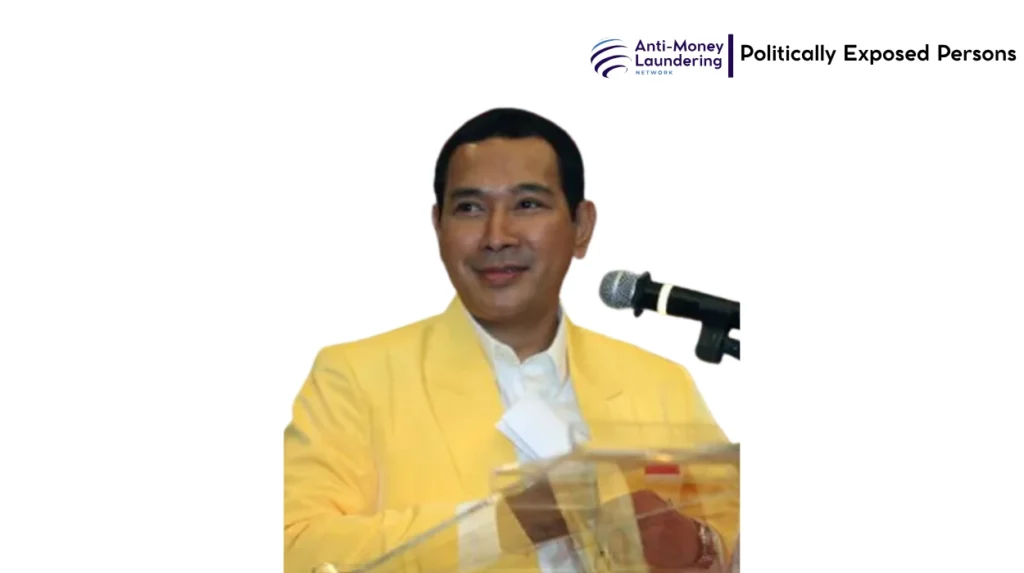
Tommy Suharto, legally known as Hutomo Mandala Putra, stands as a pivotal figure in Indonesia’s modern history, representing the blurred lines between political dynasty, entrepreneurial ambition, and persistent legal controversies. As the youngest son of former President Suharto, who ruled Indonesia with an iron fist from 1967 to 1998, Tommy navigated the corridors of power during one of the nation’s most transformative yet corruptive eras.
His life encapsulates the excesses of the New Order regime, where family connections translated into vast business opportunities and state-backed monopolies. Yet, this path was marred by high-profile scandals, imprisonments, and questions of financial impropriety that continue to echo in Indonesia’s post-reformasi landscape.
This comprehensive profile delves into his biography, from privileged origins to ongoing political maneuvers, offering an evergreen examination of how one man’s story reflects broader themes of privilege, accountability, and resilience in Southeast Asia’s largest democracy.
Born into unparalleled influence, Tommy Suharto’s trajectory highlights the enduring impact of familial legacies on national development. His ventures spanned commodities, automotive manufacturing, shipping, and politics, often leveraging proximity to the presidency.
However, allegations of corruption, asset concealment, and judicial interference have shadowed his achievements, positioning him as a politically exposed person (PEP) under global financial scrutiny.
At 63 years old in 2026, Tommy Suharto remains active in business and party politics, embodying Indonesia’s struggle to reconcile its authoritarian past with democratic ideals. This article traces his journey, integrating personal, professional, and contentious dimensions for a nuanced understanding.
Early Life and Background
Tommy Suharto’s early life unfolded in the gilded bubble of Jakarta’s elite during the height of his father Suharto’s presidency. Born on July 15, 1962, in Jakarta, Indonesia, he entered a world where political stability and economic growth masked deepening cronyism.
As an Indonesian national with citizenship firmly rooted in the archipelago, Tommy grew up in a household that symbolized national progress but privately amassed fortunes through opaque dealings. His place of birth in the capital city placed him at the epicenter of power, where presidential palaces and state functions were everyday backdrops.
Details surrounding Tommy Suharto’s education remain somewhat elusive, with accounts pointing to attendance at prestigious Jakarta schools rather than advanced formal qualifications. Unlike some siblings who pursued higher studies abroad, Tommy appeared more immersed in practical family business apprenticeships from a young age.
This hands-on approach suited the New Order’s merit-by-connection ethos, where academic pedigrees mattered less than loyalty and access. His religion, Islam, aligned with the majority faith in Indonesia, occasionally surfacing in public displays of piety amid scandals.
The socio-political environment of 1960s-1980s Indonesia profoundly shaped Tommy Suharto’s formative years. Suharto’s regime, following the tumultuous 1965 coup and anti-communist purges, prioritized economic development through foreign investment and resource extraction. Oil booms funded infrastructure, but benefits disproportionately flowed to the first family and associates.
Tommy, as the youngest of six siblings, observed this system firsthand, learning how state policies could be bent to favor private interests. His early exposure to luxury—private jets, international travel, and elite social circles—instilled a worldview of entitlement, setting the stage for his later business forays. By his teens, whispers of family wealth accumulation, estimated by watchdogs at $15-35 billion, already circulated, though Tommy himself was not yet the focal point.
This period also introduced tensions within the family. Suharto’s wife, Tien Soeharto, known as “Madame Tien,” wielded significant informal power, managing foundations that funneled public funds into private coffers. Tommy’s position as the baby of the family afforded him leniency, allowing youthful indiscretions to go unchecked.
As Indonesia modernized, with skyscrapers rising in Jakarta and transmigration programs reshaping rural landscapes, Tommy Suharto’s early life epitomized the regime’s dual face: progress for some, plunder for the connected few.
Family and Personal Life
The Suharto family formed a formidable dynasty, with Tommy Suharto at its fringes yet deeply intertwined. His parents, President Suharto and Tien Soeharto, provided the foundational platform for his endeavors. Tien’s death in 1996 preceded the regime’s collapse, but her influence lingered through charitable fronts that critics viewed as money-laundering vehicles.
Tommy’s siblings—eldest sister Tutut (Siti Hardiyanti Rukmana), brother Bambang Trihatmodjo, and others like Mamiek, Siti Hediati Hariyadi (Titiek), and Hutomo—collectively controlled conglomerates in banking, toll roads, and media, amplifying the family’s economic stranglehold.
Tommy Suharto’s spouse, Arni Narulita, entered his life in the early 1990s, marrying amid fanfare that underscored the family’s social dominance. Their union produced several children, including Agus, Panji, and others who have sporadically appeared in media or business contexts.
Tommy Suharto’s children have largely stayed out of the spotlight, pursuing ventures in entertainment and property, though some faced their own legal skirmishes. Family life blended opulence with adversity; during Tommy’s imprisonments, Arni and the children maintained public solidarity, navigating tabloid scrutiny.
Residences played a symbolic role in Tommy Suharto’s personal narrative. His house and properties, including sprawling Jakarta compounds and rural estates, reflected accumulated status. Some assets, like prime lands tied to failed projects, faced state seizures, highlighting vulnerabilities. Despite this, the family network endured, with siblings collaborating on bailouts and political campaigns.
Tommy Suharto’s family wealth, shrouded in secrecy, sustained a lifestyle of luxury cars, private security, and international sojourns. Personal tragedies, such as health scares and legal woes, tested these bonds, yet they proved resilient, mirroring Indonesia’s own familial-political complexes.
Public perceptions of Tommy Suharto’s family oscillate between resentment and nostalgia. For many, they represent kleptocratic excess; for loyalists, stewards of development. This duality permeates his current status, where family ties continue fueling business revivals and political bids.
Career and Business Ventures
Tommy Suharto’s career catapulted in the late 1980s, riding the wave of deregulation that favored insiders. His business empire diversified rapidly: PT Humpuss Group dominated shipping and energy services, while Goro Batara Sakti handled retail chains.
The clove monopoly via Badan Pengatur Pasar Komoditas (BPPC) in 1990 marked a controversial pinnacle, where government intervention forced farmers to sell cheaply, enabling resale at premiums and alleged loan misappropriations worth billions of rupiah.
The 1996 National Car project under PT Timor Putra Nasional epitomized his ambition. Granted tax exemptions and protectionism as a “national” initiative, it collapsed during the 1997 Asian Financial Crisis, leaving $180 million in unpaid state loans.
Post-crisis, Tommy pivoted to media, acquiring stakes in TV stations and production firms, capitalizing on Indonesia’s democratic media boom. Other Tommy Suharto companies spanned real estate, aviation services, and commodities trading, often rescued by family networks.
Achievements were tangible: Humpuss grew into a regional player, and clove operations stabilized rural economies before scandals erupted. However, critics argue these successes hinged on monopolies rather than innovation. Tommy Suharto’s position as de facto industry czar relied on lobbying prowess, with policies tailored to his firms.
By the 2000s, divestitures and restructurings preserved core assets, sustaining revenue streams amid legal pressures. Today, his portfolio reflects calculated survival, blending legacy holdings with new digital media interests.
Controversies and Corruption Allegations
No examination of Tommy Suharto corruption is complete without the 1999 Bulog scandal. Partnering with Ricardo Gelael, he swapped worthless land for prime state rice agency plots valued at $11 million, leading to an initial conviction. The case exposed how state institutions served private gain, with Bulog’s mismanagement costing billions amid food shortages.
The BPPC clove affair involved diverting 175 billion rupiah in credits, probed in 2007 but resolved via repayment—seen as a face-saving exit. A 2012 whistleblower from Rolls-Royce alleged a £12 million bribe and luxury car gift for Garuda engine deals, triggering UK Serious Fraud Office scrutiny.
These Tommy Suharto scandals underscored patterns: state favoritism, opaque contracts, and elite impunity.
Broader Tommy Suharto corruption cases implicated family foundations in siphoning aid, with Transparency International estimating Suharto-era graft at tens of billions. Offshore structures, revealed in leaks, suggested asset flight. Indonesia’s judiciary, accused of bias, often diluted prosecutions, perpetuating a culture where verdicts favored the powerful.
Legal Troubles and Imprisonment
Tommy Suharto’s prison stint arose from a 2002 murder conviction: ordering the killing of Judge Syafiuddin Kartasasmita, who upheld his Bulog verdict. Sentenced to 15 years, he served less than four before parole in 2006 on health grounds, sparking outrage. Tommy Suharto sentence became a flashpoint for reform demands.
Subsequent trials, like 2008 graft charges over the car project, ended in dismissals. A 2021 land seizure for unpaid loans marked rare enforcement, reclaiming properties worth trillions of rupiah. Tommy Suharto trial and court appearances highlighted systemic flaws: witness intimidation, procedural loopholes, and political pressure. His release and parole reinvigorated activism against judicial corruption.
Political Ambitions
Post-regime, Tommy Suharto politics gained traction. Founding Berkarya Party in 2018—the Tommy Suharto party name evoking creation and progress—he ran for vice presidency in 2019, allying with Wiranto but faltering electorally. The party’s anti-corruption platform rang ironic, yet appealed to rural bases nostalgic for New Order stability.
Tommy Suharto party emphasized welfare, infrastructure, and nationalism, contesting local races. Though seatless nationally, it sustains his influence. His current status as chairman positions him as a kingmaker in coalitions, commenting on economy and graft.
Wealth, Assets, and Lifestyle
Tommy Suharto net worth estimates range from $50-200 million personally, dwarfed by family totals. Assets include Jakarta mansions, seized-then-reclaimed lands, and offshore vehicles like Bermuda’s Asia Market Investments. Lifestyle featured supercars, jets, and estates, tempered by crises.
No confirmed yachts or palaces solely his, but family properties evoke grandeur. Philanthropy via foundations burnished images, funding mosques and scholarships amid wealth critiques.
Financial Transparency and Global Accountability
As a PEP, Tommy Suharto exemplifies financial transparency gaps. Offshore Leaks (ICIJ) exposed Bermuda/Bahamas shells, flagging laundering risks. Indonesia’s AML regime, hampered by elite capture, recovered fractions of looted billions. No sanctions apply, despite UK probes, underscoring accountability voids. Global standards urge enhanced due diligence on such figures.
Legacy and Influence
Tommy Suharto legacy divides: crony symbol or survivor. His influence in Indonesia persists via networks, shaping discourse on dynasties. Global recognition via leaks and docs cements notoriety.
Tommy Suharto’s biography—from early privilege to enduring clout—mirrors Indonesia’s evolution. Family, business, scandals, and politics define him, urging vigilance on power concentration.