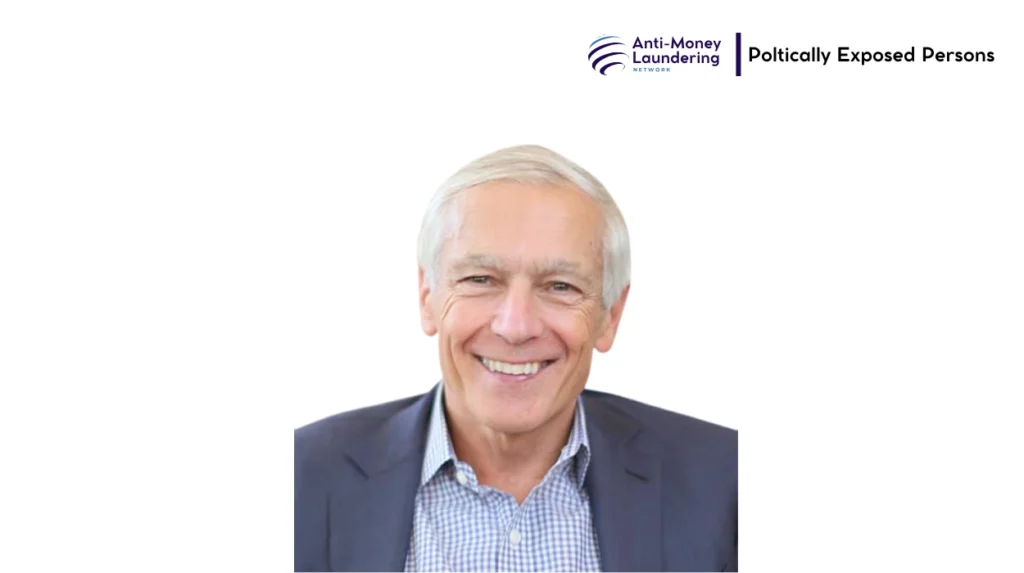
Wesley K. Clark is a renowned retired four-star general of the United States Army, a pivotal figure in modern military history whose career spans nearly four decades. Known for his leadership as Supreme Allied Commander Europe (SACEUR) of NATO, Clark commanded multinational forces during critical conflicts such as the Kosovo War. Beyond his military achievements, Clark is also a strategic consultant and author, founding Wesley K. Clark & Associates. This article provides a thorough overview of his life, career, family, and continuing influence.
Early Life and Background
Wesley K. Clark was born on December 23, 1944, in Chicago, Illinois. His early years were shaped by personal loss when his father died, prompting his mother to move the family to Arkansas. Clark grew up in an environment that emphasized discipline and resilience. His academic excellence led him to Hall High School and subsequently admission to the United States Military Academy at West Point, where he distinguished himself as first in his class on graduation. Clark’s commitment to intellectual development continued with his selection as a Rhodes Scholar at Oxford University and earning a Master of Arts degree in military science from the Command and General Staff College, reflecting his early dedication to understanding both the theory and practice of military strategy and leadership.
Personal Life
Wesley Clark has maintained a stable family life with his wife, Gertrude Kingston Clark. They share a son, and while Clark’s public persona is heavily influenced by his military and strategic career, he has kept his family life more private. His adherence to private life extends to his spiritual beliefs, as Clark has not publicly detailed his religion. The Clark family remains supportive of his public service, and his personal stability is often cited as a contributing factor to his disciplined career.
Career and Achievements
Early Military Career
Clark’s military journey began when he entered West Point on July 2, 1962. After graduating top of his class, he was commissioned as an officer, embarking on assignments that included serving as a platoon leader and company commander during the Vietnam War. During combat operations in 1970, Clark sustained four gunshot wounds but famously continued to lead his troops, an act that earned him the Silver Star and Combat Infantryman Badge. Early in his career, Clark served as an instructor at West Point and graduated from the U.S. Army Command and General Staff College.
Advancement and Leadership Roles
Throughout the 1980s and early 1990s, Clark rapidly ascended military ranks, executing numerous command assignments. He led mechanized infantry companies in Europe, commanded brigades of the 4th Infantry Division, and directed operational training programs. From 1989 to 1991, Clark commanded the U.S. Army’s National Training Center at Fort Irwin during the Gulf War, where he trained national guard units bound for combat. His leadership was instrumental in adapting post-Vietnam military doctrine to modern warfare standards.
Clark’s strategic roles continued to expand as he was appointed Director of Strategic Plans and Policy for the Joint Chiefs of Staff in 1994. He then commanded the U.S. Southern Command in Panama (1996-1997), overseeing military operations in Central and South America during a period of intense focus on counter-narcotics and regional security.
NATO Supreme Allied Commander
In 1997, Clark was appointed Supreme Allied Commander Europe (SACEUR), the highest military position in NATO, where he oversaw nearly 2 million troops from 19 countries. His tenure is most remembered for leading NATO’s military intervention in Kosovo in 1999, called Operation Allied Force. This campaign was the first major combat operation conducted by NATO without United Nations authorization and showcased Clark’s capacity to manage complex coalition warfare, combining air and limited ground operations to halt ethnic cleansing and stabilize the Balkan region.
Clark’s military distinctions include numerous awards such as the Presidential Medal of Freedom, multiple Defense Distinguished Service Medals, and foreign honors acknowledging his impact on international military cooperation and security.
Post-Military Career
After retiring in 2000, Clark transitioned to consultancy and writing. He founded Wesley K. Clark & Associates, leveraging his expertise in global security, military strategy, and emerging threats toward private sector and government clients. Clark has also served on corporate boards and advisory panels, notably in technology, energy, and finance sectors. His political ambitions manifested in a brief 2004 presidential candidacy, underscoring his interest in public policy beyond military command.
Clark is an accomplished author with books including Waging Modern War and Winning Modern Wars, where he critiques military strategy while advocating for adaptation to technological and geopolitical changes. His perspectives remain influential in both military and civilian strategic circles.
Lifestyle, Wealth, and Assets
There is limited detailed public information about the exact scope of Wesley Clark’s personal wealth or specific assets, reflecting his preference for privacy. Nevertheless, his military pension, consulting fees, speaking engagements, and book royalties likely contribute to a comfortable net worth. Unlike many high-profile figures, there are no reports of luxurious properties like palaces or yachts. His lifestyle aligns more with a professional dedicated to civic and strategic endeavors than ostentatious displays of wealth. Personal details such as Wesley K. Clark’s address remain confidential, respecting security concerns commensurate with his status.
Influence, Legacy, and Global Recognition
General Wesley K. Clark’s legacy is multifaceted. Militarily, his innovations in command and coalition warfare have influenced NATO’s strategic doctrines, emphasizing joint operations and rapid response capabilities. Politically, his brief presidential bid demonstrated a desire to shape U.S. defense and foreign policy at the highest levels. Clark has received honorary knighthoods and accolades internationally, a testament to his global stature.
Beyond military accomplishments, Clark’s involvement in nonprofit organizations focusing on social cohesion and leadership, such as Renew America Together, illustrates his broader concern with governance and social stability. His name is synonymous with leadership in times of conflict, but also with post-conflict reconstruction conversations and ethical military service.
Financial Transparency and Global Accountability
As a politically exposed person, Clark’s post-service affiliations have occasionally drawn scrutiny. Some firms associated with him faced regulatory inquiries, though Clark has not faced direct legal sanctions or AML charges. His involvement with offshore entities connected to some controversial investment ventures highlights the complex intersection of military service and private sector activities in a globalized financial environment. This context underscores the need for heightened transparency and oversight to balance political figures’ post-service engagements with global accountability standards.
Wesley K. Clark’s 38-year career is emblematic of dedicated public service, strategic innovation, and leadership under complex circumstances. With achievements rooted in battlefield valor and extending to multinational military command and civilian consultancy, Clark remains a seminal figure in American and international defense history. His ongoing influence reflects both his military legacy and commitment to shaping future governance and security strategies.