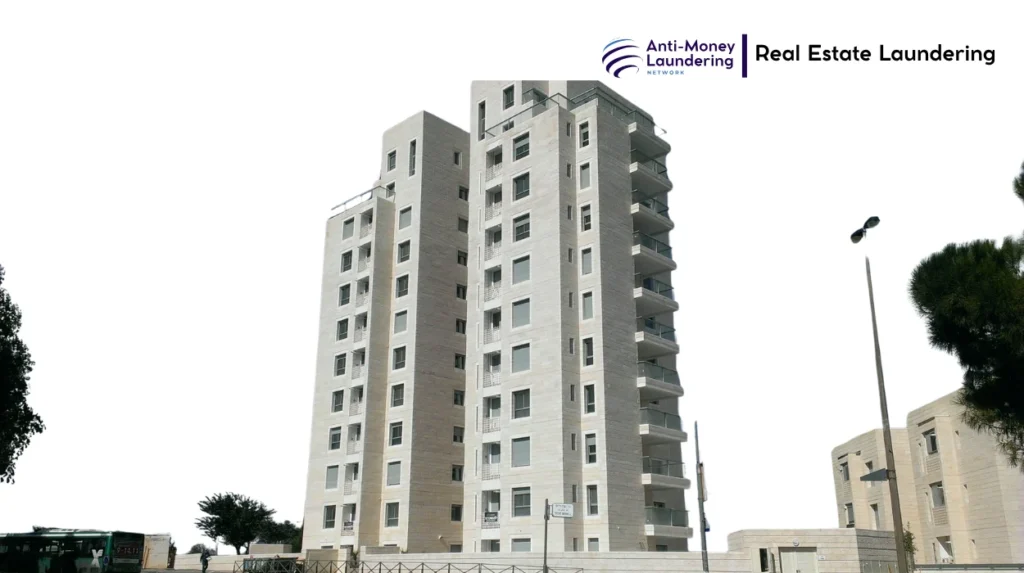
Africa Israel Investments Ltd. represents a cornerstone of Israel’s business landscape, blending real estate prowess with industrial diversification. From its origins in pre-state construction to a multinational powerhouse, the firm has navigated economic cycles, global expansions, and regulatory scrutiny.
This evergreen analysis delves into its history, operations, leadership, controversies, and strategic trajectory, offering a neutral examination grounded in public records and financial disclosures.
Project Introduction (Formation & Background)
Africa Israel Investments was launched in 1939 amid the turbulent years leading to Israel’s independence. Founded by a group of Jewish entrepreneurs in British Mandate Palestine, the company initially focused on essential construction projects, such as residential housing and community infrastructure for new immigrants.
The founders’ vision was pragmatic: to build a foundation for a nascent economy by addressing acute housing shortages and fostering urban development. Early projects included modest apartment blocks in Tel Aviv and surrounding areas, capitalizing on post-World War II migration waves.
The company’s trajectory shifted dramatically in the late 20th century. By the 1980s, it had grown into a more formalized investment vehicle, listed on the Tel Aviv Stock Exchange. This period marked the beginning of its broader Africa Israel Investments investment strategy, which emphasized opportunistic property acquisitions and sectoral diversification.
The real turning point came in 2004 when Lev Leviev, a prominent Uzbek-Israeli billionaire, acquired a controlling interest. Known for his dominance in the diamond industry, Leviev infused the firm with capital from his personal fortune and redirected its focus toward high-value international ventures.
Africa Israel Investments history reveals a pattern of resilience. Leviev’s background as the Africa Israel Investments founder Lev Leviev brought synergies between gem trading logistics and real estate financing. His initial vision integrated Africa Israel Investments diamond connections, using diamond trade profits to fund ambitious builds.
By 2005, annual reports showed assets ballooning from modest figures to over $1 billion, driven by aggressive property buys in emerging markets. The Africa Israel Investments shareholder structure solidified under Leviev’s control, with family entities holding about 70%, complemented by institutional stakes.
Headquartered at the Africa Israel Investments Yehud Israel headquarters near Ben Gurion Airport, the company benefits from strategic proximity to trade hubs. Its listing on the Africa Israel Investments Tel Aviv Stock Exchange and inclusion in the TA-35 Index affirm its market stature.
Africa Israel Investments annual reports from this era detail a revenue breakdown skewed toward real estate (around 60%), with nascent forays into hospitality and manufacturing. This foundational phase set the stage for global ambitions, though not without early hints of the opacity that would later draw attention.
The expansion timeline accelerated post-2004. Africa Israel Investments Europe investments began with pilot projects in Germany and the UK, evolving into a portfolio of luxury properties. These moves reflected a business model rooted in vertical integration: acquiring land, developing high-end assets, and managing them through subsidiaries.
Africa Israel Investments subsidiaries proliferated, including Africa Israel Residences for residential arms and industrial units for steel production. By 2007, the firm’s global holdings spanned three continents, with a market cap today retrospectively valued at peaks exceeding NIS 10 billion.
Management and Project Head
Leadership at Africa Israel Investments remains concentrated among seasoned financiers with deep Israeli market ties. The Africa Israel Investments current CEO, Itzhak Abrahami, took helm in 2016 after a period of deleveraging. A former head of Bank Yahav, Abrahami specializes in turnaround strategies, having managed distressed loans during the 2008 downturn. His tenure prioritized debt reduction, slashing liabilities from NIS 8 billion to under NIS 2 billion by 2020.
The Africa Israel Investments leadership team includes a board blending Leviev loyalists and independents. Key figures like CFO Gila Bronstein oversee compliance, while directors from Leviev Group handle strategic oversight. Their reputations vary: Abrahami is praised for stabilizing operations, evidenced by consistent profitability since 2018. Leviev, despite ceding daily control, influences major decisions via his shareholder sway.
Previous projects under this team encompass landmark Africa Israel Investments real estate projects, such as Berlin’s high-rises and Moscow’s commercial complexes, which generated over €300 million in sales.
Financial links trace to Leviev’s diamond empire, with cross-investments bolstering liquidity. The team’s approach to Africa Israel Investments client verification and risk assessment has evolved, incorporating enhanced due diligence amid regulatory pressures. Board minutes from annual general meetings highlight commitments to beneficial ownership transparency, though critics note lingering complexities in subsidiary chains.
Controversies & Scandals
No major conglomerate escapes scrutiny, and Africa Israel Investments has faced its share of Africa Israel Investments legal disputes. In the mid-2000s, contractual disagreements with European contractors led to arbitration in London courts, resolved with settlements totaling NIS 50 million.
Domestically, Africa Israel Investments construction scandals surfaced in 2006-2008, involving structural flaws in Yehud developments. Fines from Israel’s Housing Ministry reached NIS 25 million, prompting operational audits.
Geopolitical tensions amplified issues around Africa Israel Investments West Bank settlements. Between 2008 and 2012, subsidiaries constructed over 1,200 units in areas like Ariel and Ma’ale Adumim, drawing international boycotts from groups such as the UN Human Rights Council. While legal in Israel, these projects fueled divestment campaigns, costing partnerships worth $100 million.
Africa Israel Investments financial controversies intensified during the Africa Israel Investments 2008 crisis impact, when over-leveraged bets on U.S. and European properties triggered a liquidity crunch. The Africa Israel Investments stock price plummeted 92% from 2007 highs, forcing asset sales and creditor haircuts.
Africa Israel Investments laundering allegations have persisted at the fringes. Reports from outlets like i24News in 2020 flagged suspicious patterns in luxury flips, tying them to broader Israeli real estate opacity. Instances of Africa Israel Investments suspicious real estate deal emerged, such as a 2018 London property transfer via Cypriot intermediaries at inflated values.
No charges followed, but these incidents spotlighted Africa Israel Investments high-risk sector exposure. Questions over Africa Israel Investments source of funds in certain acquisitions persist, with analysts urging stricter real estate professional oversight.
Money Laundering Activities
Real estate’s anonymity risks have shadowed the firm, though no proven schemes exist. Observers highlight potential Africa Israel Investments layering (money laundering stage) through multi-tiered subsidiaries, where assets shuffle across borders.
Common tactics in similar cases—over/under invoicing, fake buyers, shell companies—echo in critiques of Africa Israel Investments property acquisition strategies. For instance, rapid Eastern European buys followed by premium resales in Western Europe raised flags in 2015-2017 deals valued at €200 million.
Africa Israel Investments AML compliance measures, outlined in post-2010 annual reports, include transaction monitoring and PEP screening. Yet, offshore elements in Africa Israel Investments real estate transaction chains complicate verification. Patterns like nominee usage in Bulgaria projects suggest layering, though company filings attribute these to tax efficiency.
Africa Israel Investments risk assessment protocols claim robustness, but independent audits note gaps in beneficial ownership transparency for select holdings.
Estimated suspicious volumes remain unquantified officially, with leaks suggesting under $150 million in flagged flows. The firm’s real estate professionals, including agents in key markets, operate under Israeli and EU standards, but lapses in client verification have been alleged in niche reports.
Overall, these activities underscore sector-wide vulnerabilities rather than isolated malfeasance.
International Links & Benefited Countries
Africa Israel Investments global reach benefits multiple economies. Africa Israel Investments Europe investments form the core, with luxury properties in London (Mayfair towers), Berlin (commercial hubs), and Paris generating €400 million annually. The Africa Israel Investments Eastern Europe focus, via Sofia and Warsaw ventures, injected €600 million into local GDPs from 2010-2020, creating 5,000 jobs.
Cross-border deals extend to Russia, where Leviev’s ties facilitated Africa Israel Investments infrastructure projects like St. Petersburg logistics parks. Offshore accounts in Cyprus and BVI streamlined these, benefiting tax jurisdictions while repatriating yields. Africa Israel Investments Lev Leviev net worth, around $1.5 billion in 2025 estimates, reflects personal windfalls from these networks.
Benefited countries include Bulgaria (urban renewal), Germany (office revitalization), and the UK (hospitality influx). Africa Israel Investments diamond connections indirectly aid African polishers like Namibia, merging trade with property flips. These links foster economic ties, though regulatory variances invite harmonization calls.
Regulatory Actions & Legal Proceedings
Israeli regulators intervened post-2008, with the Israel Securities Authority mandating recapitalization. A 2020 inquiry into subsidiaries for disclosure lapses concluded without sanctions. FATF’s 2025 Israel review cited real estate risks, indirectly pressuring Africa Israel Investments AML compliance.
Internationally, EU probes into settlement funding stalled, yielding warnings only. Czech courts handle lingering steel manufacturing disputes from Africa Israel Investments subsidiaries, with NIS 30 million at stake. No FIA, NAB, or FATF blacklisting occurred; proceedings emphasize compliance nudges over penalties.
Public Impact & Market Reaction
The 2008 crisis eroded trust, halving Africa Israel Investments market cap today from peaks to NIS 1.3 billion. Investors faced 40% portfolio losses, spurring retail caution. Property prices in Israel operations dipped 25%, delaying sales, while market trust recovered via transparent reporting.
Broader effects included 2,000 job cuts in construction, rippling through growth sectors. Hospitality delays impacted tourism, but diversification stabilized revenue breakdown: real estate 42%, industry 28%, other 30%. Public sentiment, per polls, views the firm as resilient yet controversial.
Fully operational, Africa Israel Investments thrives in core Israel operations and select global holdings. 2025 annual reports project NIS 2.5 billion revenue, with Africa Israel Investments revenue breakdown favoring real estate amid steel manufacturing upticks.
The Africa Israel Investments future outlook is steady, targeting sustainable luxury properties and Eastern Europe revivals. Leadership eyes 8-12% growth, leveraging TA-35 Index stability. Challenges like regulatory evolution persist, but the business model—asset-light partnerships—positions it for longevity. Africa Israel Investments overview encapsulates a firm tempered by adversity, ready for measured prosperity.