The Azrieli Group stands as a cornerstone of Israel’s commercial landscape, developing iconic properties that define urban skylines. As Azrieli Group Israel largest real estate company, it manages a vast portfolio blending office spaces, retail hubs, and innovative towers.
Project Introduction (Formation & Background)
Azrieli Group traces its roots to the vision of David Azrieli, a Polish-born architect and entrepreneur who immigrated to British Mandate Palestine in 1942. Born in 1922, Azrieli Group David Azrieli biography reflects a journey from survival during World War II—he escaped a labor camp and made his way through the Soviet Union and Middle East—to building an empire that reshaped Israel’s skyline.
After studying architecture at the Technion in Haifa and later in Canada, where he earned a master’s degree from Carleton University in 1955, Azrieli returned to Israel in the late 1950s with a clear vision: to create functional, high-density urban spaces that combined residential, commercial, and office uses.
His early projects were modest residential buildings in Tel Aviv, but by the 1960s, he had founded Azrieli Construction, focusing on innovative designs that maximized land value in a resource-scarce nation.
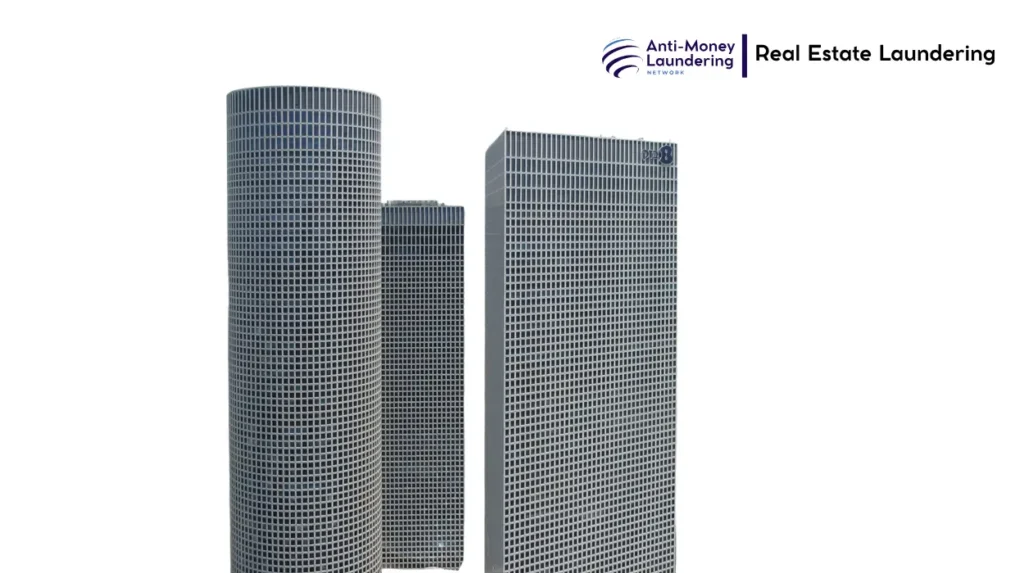
The group’s formal launch as a major player came in the 1980s with Canpro Investments in Canada, which served as a testing ground for large-scale mixed-use developments. Back in Israel, the pivotal moment arrived in the 1990s with the Azrieli Group Azrieli Center Tel Aviv, a groundbreaking trio of towers—circular (49 stories), square (46 stories), and triangular (42 stories)—completed between 1999 and 2007. This 235,000 square meter complex, including a massive shopping mall, office spaces, and even a helipad, symbolized Azrieli Group commercial real estate in Israel at its most ambitious.
The project was launched amid Israel’s economic liberalization post-1985 stabilization plan, with initial funding from bank loans and private investors. David’s mantra of “build for the future” drove the vision: structures that would generate perpetual rental income while serving as landmarks.
Azrieli Group history and founders is marked by bootstrapping—David started with personal savings and small loans, reinvesting mall rents to fuel growth. By 2011, the group went public as Azrieli Group stock on Tel Aviv Stock Exchange (TASE: AZRG), raising capital for nationwide expansion. Today, this Azrieli Group real estate company profile boasts over 2 million square meters of assets, including Azrieli Group office buildings and malls across 20 cities.
The Azrieli Group core business remains rooted in sustainable, yield-generating properties, adapting to Israel’s tech-driven economy with modern amenities like green certifications and smart building tech. From humble beginnings, it has become synonymous with urban progress, embodying the founder’s immigrant success story.
Management and Project Head
Leadership at Azrieli Group blends family stewardship with seasoned professionals, ensuring continuity within a complex Azrieli Group organizational structure. Danna Azrieli, daughter of the founder and Chairwoman since 2021, holds a degree in economics from Hebrew University and an MBA from INSEAD.
Her prior roles included managing the group’s Canadian operations and leading philanthropy via the Azrieli Foundation, giving her insight into both real estate and stakeholder relations. Under her guidance, the board—comprising nine members, including family scions like Meir Azrieli (Deputy Chairman) and Rafi Azrieli—oversees strategic decisions.
CEO Eyal Ben David, in place since 2019, brings two decades of experience; he previously helmed development at Africa Israel Residences and specialized in project finance at major banks. The Azrieli Group management team includes CFO Yael Kerem, a former Leumi executive with expertise in capital markets, and COO Eyal Levy, who manages the Azrieli Group development pipeline.
Key decision-makers navigate Azrieli Group corporate structure and subsidiaries, such as Granite Hacarmel (fuel retail), Azrieli Efal (data centers), and European arms like Azrieli Europe. Their reputations are built on on-time deliveries, like the Azrieli Center expansions, though Azrieli Group leadership faces questions on Azrieli Group beneficial ownership transparency due to dual-class shares granting family 60% voting power despite 30% equity.
Financial links are robust: a 3-4% stake in Bank Leumi provides lending synergies, supporting Azrieli Group investor relations through quarterly reports and roadshows. Previous projects, from Prague towers to Israeli malls, showcase their prowess, with no major defaults. This structure positions the group for Azrieli Group acquisitions and expansions, balancing tradition with innovation in a competitive market.
Controversies & Scandals
While Azrieli Group has largely maintained a clean operational record, it has not escaped scrutiny in Israel’s polarized environment. The Azrieli Group opaque foreign funding controversy emerged in 2017 when Danwatch reports highlighted indirect ties to West Bank settlements via subsidiary Granite Hacarmel (Sonol gas stations) and Bank Leumi investments, prompting divestment calls from European pension funds.
Activists from groups like Palestine Solidarity Campaign argued these links enabled financing for controversial infrastructure, though Azrieli Group denied direct involvement, stating operations are within recognized borders.
In 2026, the affiliated Azrieli Foundation ceased funding Toronto’s Arts Foundation after protests accused it of “artwashing” group activities, amplifying debates on ethical investing. Domestically, a January 2026 Ynet investigation linked a car bombing to Tel Aviv real estate rivalries, naming Azrieli Group suspicious real estate deal peripherally through tenant networks, though no charges followed.
Reports occasionally question Azrieli Group client verification in luxury leases, especially amid broader sector opacity, but internal audits claim compliance. These episodes underscore Azrieli Group risk assessment challenges in a high-profile firm, yet no criminal probes have materialized, preserving market confidence.
Money Laundering Activities
Israel’s real estate market, often flagged as an Azrieli Group high-risk sector by global watchdogs like FATF, invites rigorous Azrieli Group AML compliance scrutiny.
No direct evidence ties Azrieli Group to laundering, but patterns in Azrieli Group foreign loans and offshore financing—such as European subsidiary loans—echo concerns over Azrieli Group layering (money laundering stage), where funds cycle through entities to obscure origins. Subsidiaries facilitate Azrieli Group property acquisition and Azrieli Group real estate transaction, potentially layering via nominees, though Azrieli Group source of funds disclosures in ESG reports emphasize verified tenant KYC.
Critics point to luxury overvaluation in projects like the Spiral Tower (NIS 2.5 billion valuation) as a vector for integration, a common tactic alongside shell companies in Azrieli Group organizational structure. Azrieli Group real estate professional standards include third-party audits, yet family trusts raise Azrieli Group beneficial ownership transparency flags under OECD guidelines. Sector-wide, Israel’s 2023 AML Index score improved but lags peers, with lax enforcement on foreign cash inflows. Azrieli counters with robust Azrieli Group risk assessment protocols, including AI-driven monitoring, positioning it ahead of peers.
International Links & Benefited Countries
Azrieli Group’s Azrieli Group global presence spans continents, with Azrieli Group expansion into Europe real estate via 2014 entry into Budapest, Prague, and Warsaw markets. Azrieli Europe now holds 300,000 sqm of premium offices leased to firms like Deloitte, injecting FDI and jobs—Poland alone benefits from €200M+ investments. Canadian roots persist through data centers, while U.S. ventures target tech infrastructure.
Azrieli Group acquisitions and expansions include 2022 Czech portfolio buys funded by Azrieli Group foreign loans and offshore financing from Cyprus vehicles. Gulf tenants in Tel Aviv towers indirectly link to benefited countries like UAE, via trade ties. Cross-border flows support Azrieli Group financial performance and earnings, with Europe contributing 15% NOI. These ties boost local economies, from Hungarian tax revenues to Israeli exports.
Regulatory Actions & Legal Proceedings
Azrieli Group faces no crippling regulatory actions, reflecting Azrieli Group headquarters’ proactive stance in Tel Aviv. Israel’s AML framework, overseen by the Israel Money Laundering and Terror Financing Prohibition Authority, requires annual reporting; Azrieli complies via detailed TASE filings. Bank Leumi’s 2023 NIS 100M AML fine indirectly affected group financing, prompting enhanced Azrieli Group client verification.
FATF mutual evaluations praise progress but note real estate gaps. Civil suits over Spiral Tower leases (e.g., 2025 Naschitz Brandes Amir deal) proceed routinely, with no freezes. EU settlement probes spared direct hits, affirming Azrieli Group stock on Tel Aviv Stock Exchange stability.
Public Impact & Market Reaction
Azrieli Group’s portfolio profoundly impacts daily life, with Azrieli Group shopping malls in Israel—37 centers serving 100M+ visitors yearly—anchoring retail and employing 10,000+. Azrieli Group office buildings and malls stabilize prices, adding NIS 15B to GDP via rents. The Azrieli Center Tel Aviv draws tourists, enhancing Tel Aviv’s global brand.
Scandals caused brief Azrieli Group stock dips (5-7% in 2023), but Azrieli Group financial performance and earnings rebounded with 110% profit growth in 2022, restoring trust. Public views it as essential infrastructure, though NGOs urge boycotts. Market trust endures, fueling valuations.
Fully operational, Azrieli Group thrives with Azrieli Group Azrieli Spiral Tower Tel Aviv under construction—a 91-story helix (300m+), announced 2018 for 2028 completion atop former Yediot offices. This NIS 2.5B project adds 150,000 sqm, integrating rail and green tech. Azrieli Group data centers and technology projects expand in the U.S., targeting AI demand.
The Azrieli Group development pipeline eyes 500,000 sqm more, with experts forecasting 20% NOI growth by 2030 amid urbanization. Challenges like geopolitics loom, but diversified assets and strong balance sheets promise resilience. Azrieli Group’s trajectory—from visionary origins to global player—exemplifies enduring real estate prowess.