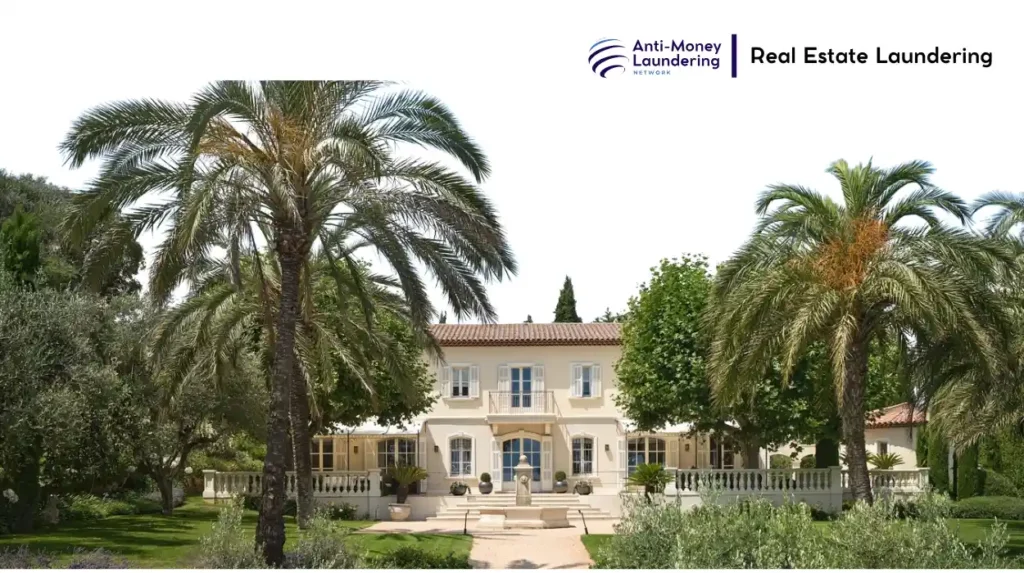
Chateau Bigaud in Mougins is a distinguished luxury estate located in the scenic region of Provence-Alpes-Côte d’Azur, France. The estate’s acquisition occurred in 2009 under a layered offshore ownership structure that masked the identity of the ultimate beneficiary, former Czech Prime Minister Andrej Babiš. This residence sits on nearly 9.4 acres of land, offering an elegant combination of historic charm and modern luxury. Known for its proximity to the medieval village of Mougins—celebrated for its cultural richness and artistic heritage—the property reflects an investment not only in real estate but also in an exclusive lifestyle. The initial vision behind acquiring this chateau appears to be discreet asset holding via complex offshore entities, underlining the contrast between public political roles and private financial strategies.
Management and Project Heads
Chateau Bigaud does not involve a traditional management team because it is a private residential asset. However, the estate’s ownership and administrative oversight are directly linked to Andrej Babiš through multiple corporate entities, most notably SCP Bigaud, a Monaco-based shell company. Babiš’s role as the listed manager of this entity indicates his control over the property. The estate’s ownership reflects a broader financial framework tied to Babiš’s family and corporate interests, including SynBiol, a Czech company involved in real estate. The network of offshore companies and their financial mechanisms reveals the strategic decisions undertaken by Babiš and his affiliates to maintain control while obscuring visibility.
Controversies and Scandals
The 2021 Pandora Papers leak exposed the secretive purchase and ownership structure of Chateau Bigaud, sparking widespread scrutiny. The sizeable luxury investment was concealed from official asset declarations, raising concerns about transparency and accountability given Babiš’s prominence in Czech politics. The revelations prompted investigations in France focusing on allegations of money laundering and tax evasion. This scandal highlighted the dissonance between Babiš’s political advocacy for anti-corruption and tax compliance, and his personal financial arrangements, which involved the use of offshore companies to hide significant assets.
Money Laundering Activities
Investigations into Chateau Bigaud reveal classic money laundering strategies employed within the luxury real estate market. The property was acquired through multiple layers of offshore companies to disguise the original source of funds, creating obscurity around ownership. A back-to-back loan arrangement, where Babiš acted as both lender and borrower within his own corporate structures, facilitated movement of capital without public or regulatory scrutiny. Concealment of ownership from mandatory disclosures and the property’s subsequent overvaluation amplify the suspicion of asset concealment and tax avoidance. These methods make the estate a textbook example of illicit financial flows exploiting real estate as a laundering vehicle.
International Links and Benefitted Countries
The ownership of Chateau Bigaud illustrates how multiple jurisdictions converge in real estate laundering schemes. France, as the property’s physical location, is the primary country implicated, with additional key roles played by offshore financial centers such as Monaco and the British Virgin Islands. These jurisdictions provide legal and fiscal frameworks that facilitate secrecy and delay transparency efforts. The cross-border movements of capital involved in purchasing and maintaining the estate highlight the interconnectedness of global financial secrecy networks and their role in benefiting politically exposed persons who leverage these jurisdictions for asset protection.
Regulatory Actions and Legal Proceedings
Following the Pandora Papers disclosures, French financial and anti-corruption authorities opened formal investigations into the purchase of Chateau Bigaud. The probes seek to ascertain the legitimacy of the funds used to acquire and maintain the estate, the accuracy of associated tax filings, and potential violations of money laundering laws. Despite persistent investigations and media attention, as of 2025, no conclusive legal penalties or asset seizures have been publicly disclosed. The property was placed on sale amid mounting scrutiny, but legal matters remain unresolved. These regulatory actions underscore continuing challenges France faces in enforcing anti-money laundering standards in high-end real estate.
Public Impact and Market Reaction
The public revelation of the offshore ownership and financial opacity surrounding Chateau Bigaud has undermined confidence in the French luxury property sector and reinforced concerns about insufficient transparency in real estate transactions. Investor and consumer apprehension regarding potential illicit financing contributed to increased demands for improved ownership registries and enhanced regulatory oversight. The case has reinforced calls within France and at European regulatory forums to strengthen anti-money laundering frameworks applicable to real estate, as well as to enforce full beneficial ownership transparency to protect market integrity.
As of late 2025, Chateau Bigaud is a completed luxury estate listed for sale at an estimated €22.5 million. The property remains under investigation by French authorities in relation to money laundering suspicions. Given the prominent nature of the parties involved, the case remains a focal point demonstrating vulnerabilities in France’s real estate AML regime. Industry experts predict that without substantial policy reforms and greater international cooperation, similar high-value properties will continue to provide fertile ground for laundering schemes. The Chateau Bigaud case serves as both a cautionary tale and a catalyst for ongoing AML improvements within European real estate markets.
Location and Description
Situated in Le Haut Mougins, Chateau Bigaud benefits from a prestigious location renowned for blending historical significance with luxury living. The estate is accessible from Nice Côte d’Azur Airport, approximately 25-30 kilometers away, facilitating convenient international travel. The property boasts extensive amenities including multiple swimming pools, a fitness suite with sauna, a wine cellar, and manicured gardens set amid medieval ruins. While not used as an Airbnb rental, the chateau’s grandeur and exclusivity place it firmly among the most sought-after properties in the French Riviera’s elite real estate market. Nearby golf courses and cultural institutions add further appeal to this unique luxury residence.