
Diezani Alison-Madueke London Properties

đź”´ High Risk

The Diezani Alison-Madueke London properties case is a prominent example of how high-value real estate can feature in allegations of corruption, asset concealment and cross-border money laundering. It concerns a reported portfolio of luxury residential properties in London and Buckinghamshire allegedly acquired, leased, renovated, furnished or otherwise made available through offshore companies and third-party arrangements. The properties attracted scrutiny because the allegations arose during the period when Diezani Alison-Madueke served as Nigeria’s Minister of Petroleum Resources, placing the matter within the heightened-risk category of politically exposed persons UK real estate.

This was not a conventional real estate project with a single developer, construction plan or commercial brand. The term Diezani Alison-Madueke UK property portfolio is best understood as an investigative label for several properties associated with civil-forfeiture allegations, property-restraint proceedings, ownership disputes and a UK criminal case. Any analysis must distinguish the allegations from final findings. Alison-Madueke denied wrongdoing and was acquitted of all six UK bribery-related charges in June 2026. That outcome does not automatically resolve every ownership, source-of-funds or civil-recovery question involving the wider asset network, but it is an essential legal fact.

Formation and Background of the Property Portfolio

The reported Diezani Alison-Madueke properties in the UK emerged from wider scrutiny of Nigeria’s oil sector between 2011 and 2015. Alison-Madueke was Minister of Petroleum Resources from 2010 to 2015 and held a position of substantial influence over one of Nigeria’s most valuable public sectors. She also served as president of OPEC during part of this period. Her official role made her a foreign politically exposed person, or PEP, requiring enhanced due diligence in significant financial and real estate transactions.

The portfolio reportedly involved luxury residences in central London and Buckinghamshire. Public allegations described a structure in which legal title was held through corporate entities while the former minister and her family were alleged to have received occupancy, property services and lifestyle benefits. This arrangement, if proven, would have allowed high-value benefits to be delivered without necessarily placing the PEP’s name on a UK Land Registry title.

The alleged acquisitions were concentrated in early 2011, when properties in London and Gerrards Cross were reportedly purchased through entities incorporated in secrecy-prone offshore jurisdictions. The portfolio was reported as having an aggregate acquisition value of approximately ÂŁ11.53 million, excluding later refurbishment, furnishing, rental, staffing and operating costs. The estimated amount should be viewed as an allegation-based property value, rather than a final judicial determination of the amount laundered.

Key Properties and Real Estate Transaction History

The reported Diezani Alison-Madueke London homes included residential assets in prime or high-value locations. Properties publicly associated with the allegations included The Falls at 96 Camp Road in Gerrards Cross, Buckinghamshire; 39 Chester Close North in London; Flat 58 at Harley House on Marylebone Road; and Flat 5 at Park View on Prince Albert Road in St John’s Wood. Accommodation at 22 St Edmund’s Terrace in London also appeared in reports concerning alleged rental and occupancy arrangements.

The property acquisition timeline was notable because several purchases were reported within a short period in 2011. The Falls was allegedly acquired through Miranda Investments Ltd, a Seychelles company, in January 2011. Mortlake Investments Ltd, reportedly incorporated in the British Virgin Islands, was linked to the March 2011 acquisition of 39 Chester Close North. Rosewood Investments Ltd and Colinwood or Collingwood Ltd were reported as entities associated with other London apartments.

The reported transaction pattern is important for AML analysis because several homes were held through companies rather than directly in the name of the alleged PEP beneficiary. Company-held property is not unlawful and can have legitimate commercial, privacy, tax-planning or estate-planning purposes. However, when it is combined with a high-risk public official, offshore incorporation, third-party payments and unclear beneficial ownership, the structure becomes a significant source-of-funds and source-of-wealth concern.

Management, Ownership and PEP Involvement

Diezani Alison-Madueke is the central PEP figure in the case. As Nigeria’s former petroleum minister, she had a senior public role involving a sector characterized by large public revenues, major international commercial interests and extensive government discretion. Her status did not establish wrongdoing, but it placed a heightened compliance obligation on banks, estate agents, lawyers, property managers and other real estate professionals handling assets associated with her or with close associates.

US civil-forfeiture allegations identified Nigerian businessmen Kolawole Akanni Aluko and Olajide “Jide” Omokore as alleged key figures in the provision of property-related benefits. The allegations stated that they, alongside associated entities and intermediaries, arranged or financed luxury residences, rent, renovation, furnishings and services for Alison-Madueke and her family. The alleged arrangement concerned property benefits connected to Nigerian oil-sector commercial opportunities.

The reported ownership structure involved offshore companies such as Miranda Investments Ltd, Mortlake Investments Ltd, Rosewood Investments Ltd and Colinwood or Collingwood Ltd. These entities were associated in public reporting with the acquisition or holding of specific London and Buckinghamshire homes. The available record does not establish that Alison-Madueke personally held legal title to each property. Instead, the issue was whether she was the alleged beneficial user or recipient of value through a network of businessmen and corporate entities.

There were also reported competing ownership claims concerning certain properties. Nigerian court proceedings were reported to involve claims by Benedict Peters and associated companies that they held legitimate interests in some London assets. This adds another layer of complexity. Beneficial ownership should not be assumed solely from media reporting, allegations or property occupation. It requires verification through title records, corporate documents, financing data, payment trails, occupancy agreements and court filings.

Diezani Alison-Madueke Corruption Allegations and Oil Contracts Investigation

The Diezani Alison-Madueke Nigeria corruption case developed in the context of alleged misconduct in Nigeria’s petroleum industry. The accusations centered on claims that business interests seeking advantages in the oil sector provided improper benefits to a senior minister. The alleged benefits included real estate, travel, household expenses, luxury goods, private transport, property services and other high-value lifestyle support.

US authorities alleged that companies linked to Aluko and Omokore received favorable treatment involving Strategic Alliance Agreements connected to subsidiaries of the Nigerian National Petroleum Corporation. The agreements reportedly related to onshore oil and gas blocks and involved companies expected to finance exploration and production activities. The allegations stated that the companies obtained significant value from oil lifting and sales despite concerns regarding contractual and financing obligations.

The alleged property benefits were therefore not treated as isolated residential purchases. They were presented as part of a broader alleged exchange of value linked to oil contracts, public influence and private commercial gain. The central compliance concern was whether high-value homes and related expenses served as indirect payments to a PEP rather than as ordinary arms-length investments.

The allegations form part of a wider Nigerian oil corruption scandal involving Nigeria, the United Kingdom and the United States. The cross-border nature of the matter illustrates why financial investigators must follow transactions across multiple jurisdictions. The alleged predicate conduct was linked to Nigerian state oil-sector activity, the property assets were located in the United Kingdom, offshore companies featured in the ownership chain, and US authorities alleged that some proceeds moved through American financial institutions.

Money Laundering Activities and Offshore Structures

The Diezani Alison-Madueke money laundering allegations provide a useful case study in layering, beneficial ownership separation and integration through luxury real estate. Layering is a money-laundering stage in which assets are moved through complex transactions, entities or jurisdictions to make the original source harder to identify. In a property context, layering may involve offshore companies, nominee shareholders, multiple intermediaries, third-party payments, property upgrades, opaque loans and luxury-goods purchases.

The principal alleged technique in this matter involved offshore companies London property ownership. Seychelles and British Virgin Islands companies reportedly held legal title to some properties. These jurisdictions are not automatically indicators of illicit activity, and offshore incorporation can be lawful. However, their use in a transaction involving a foreign PEP creates an immediate need for enhanced due diligence because the legal owner may not be the ultimate beneficial owner, source of funds or person controlling the property.

Another alleged method was the provision of PEP benefits without direct ownership. A high-value London property can be made available for occupation, renovation or use while being held legally by a company or associate. In that situation, the property is a form of indirect remuneration. The recipient may gain the use and value of a luxury home while the title register does not reveal the full relationship.

Third-party expenditure is also highly relevant. The allegations included rent, property maintenance, refurbishment, furnishings, artworks and staff costs. Such payments can act as non-cash transfers of value. A real estate professional assessing a suspicious real estate deal should review not only purchase funds but also the identity of those paying rent, utilities, service charges, insurance, renovations, interior design costs and household staff.

There is no confirmed public finding that the properties were bought through overvaluation, under-invoicing, rapid resale or sham mortgages. Those techniques should not be attributed to this case without documentary evidence. The strongest risk indicators relate to alleged offshore layering, potential nominee ownership, third-party property financing and alleged PEP beneficial use.

International Links and Cross-Border Asset Exposure

The Diezani Alison-Madueke UK assets case involved several jurisdictions with different roles. Nigeria was the alleged source jurisdiction, as the underlying concerns related to public-sector oil decisions and commercial benefits associated with oil-sector contracts. The United Kingdom was the asset location, with London and Buckinghamshire properties forming the core of the real estate component.

Seychelles and the British Virgin Islands were significant because companies reportedly incorporated in these jurisdictions appeared in the ownership chain. Their use illustrates why beneficial ownership transparency matters in cross-border property investment. When an offshore company purchases a UK home, investigators must establish who formed the entity, who funded it, who holds shares, who controls directors, who pays property expenses and who has the right to use the asset.

The United States became a major enforcement jurisdiction because US authorities alleged that part of the proceeds of the wider scheme passed through the US financial system and was used to acquire or support luxury assets. The US Department of Justice brought civil-forfeiture proceedings in 2017 seeking recovery of approximately $144 million in assets linked to alleged Nigerian oil corruption. In 2023, it announced the recovery of roughly $53.1 million in cash and a $16 million promissory note through final resolution of related civil cases.

These cross-border connections are central to UK Nigeria asset recovery cases. Asset tracing requires investigators to connect financial records, company data, title records, transaction documents, communications, travel histories and public-procurement decisions across different legal systems. The length and complexity of such cases often reflect the difficulty of obtaining reliable evidence from multiple countries.

Regulatory Actions and Legal Proceedings

The Diezani Alison-Madueke property freeze history involved reported restraint measures affecting certain UK property interests. A restraint order is designed to prevent the disposal, transfer or reduction in value of assets while authorities investigate possible criminal or confiscation issues. It does not amount to a final declaration that the property is criminal proceeds, and it does not establish ultimate beneficial ownership.

Reports stated that the UK authorities secured restraint measures concerning properties associated with the former minister, Aluko, Omokore and relevant corporate entities. The reported restrictions were intended to prevent the assets from being sold or otherwise dissipated. This aspect of the case shows why a UK proceeds of crime property freeze can have serious consequences for owners, occupants, lenders and purchasers even before a final forfeiture finding is made.

The United States civil-forfeiture case was a separate legal process. Civil forfeiture focuses on whether assets are connected to unlawful conduct and can proceed without a criminal conviction of a named individual. The US proceedings alleged that Nigerian oil corruption proceeds were laundered through the United States and transformed into luxury property, art and other assets. The subsequent US recovery did not mean that every asset mentioned in public allegations was automatically seized or forfeited.

The Diezani Alison-Madueke UK court case also followed its own evidentiary path. Alison-Madueke faced six bribery-related charges, denied wrongdoing and was acquitted by a London jury in June 2026. This outcome must be given full weight in any neutral account. It means the UK criminal case did not establish her guilt in relation to the charges brought before the jury.

Reported Nigerian ownership litigation further complicated the asset picture. Claims over selected properties by other businessmen and corporate entities demonstrate why investigators should avoid assuming that all assets publicly connected to a high-profile allegation are conclusively owned or controlled by the same person. The legal title, beneficial interest and provenance of each asset require property-specific review.

AML Compliance, Client Verification and Risk Assessment

The case provides important lessons for real estate professionals, banks, lawyers, accountants, developers and other gatekeepers operating in the high-risk sector of luxury property. Effective AML compliance cannot be limited to checking a passport or identifying the company listed on a purchase contract. It requires a full risk assessment that examines the transaction’s economic reality.

Client verification should identify the ultimate beneficial owner of each company involved in the transaction. Where a company is incorporated offshore, professionals should seek reliable corporate records, ownership charts, trust documentation where relevant, director information and evidence of who actually controls decisions. They should also identify whether the buyer, seller, funder, occupier or close associate is a PEP, family member or known associate of a PEP.

Source of funds analysis should trace the immediate money used for the acquisition, including bank-account statements, sale proceeds, loan documentation, dividend records, investment returns and other supporting evidence. Source of wealth analysis should go further by testing how the person or entity accumulated the broader wealth necessary to acquire and maintain a high-value property. A bank transfer from an offshore company is not, by itself, a satisfactory explanation of wealth.

The same scrutiny should apply after acquisition. A property may initially appear to be held by a legitimate investor, but risk can arise through unusual rent payments, unexplained refurbishments, staff costs paid by unrelated parties, free occupation, repeated ownership changes or inconsistent information about the intended use of the asset. Ongoing monitoring is therefore essential where the customer profile and transaction structure present elevated risk.

Public Impact and London Property Money Laundering Concerns

The case has contributed to concern about London property money laundering and the role of luxury real estate in protecting or concealing alleged illicit wealth. London’s property market has long attracted international capital because of its global reputation, legal infrastructure, desirable locations and capacity to store significant value in a single asset. These strengths can also make it attractive to individuals who want to convert funds into durable, prestigious and potentially appreciating property.

The impact extends beyond individual transactions. Cases involving foreign PEPs and offshore corporate structures can weaken public confidence in the fairness of the property market. Members of the public may question whether the ownership system is sufficiently transparent and whether professional gatekeepers are able or willing to identify the people who truly control expensive assets.

For legitimate investors, such cases increase due-diligence costs and transactional uncertainty. Properties connected to restraint orders, enforcement inquiries, adverse media or unresolved beneficial ownership issues can be difficult to finance, insure or sell. Buyers may face reputational risk, and lenders may need to conduct deeper checks before extending credit.

For Nigeria, the wider issue is public confidence in governance of the oil sector and in the ability of authorities to trace and recover alleged corruption proceeds. For the United Kingdom, the case reinforces the importance of beneficial ownership transparency, corporate-register integrity and strong anti-money-laundering controls in the real estate sector.

The Diezani Alison-Madueke London properties case remains an important reference point for PEP-linked asset tracing and AML risk assessment. It should be described as a complex, cross-border matter involving allegations of corruption proceeds, offshore ownership, high-value UK property, civil recovery processes, reported restraint actions and disputed ownership interests.

The criminal dimension in the United Kingdom concluded with Alison-Madueke’s acquittal in June 2026. The broader civil and asset-recovery history produced recoveries in the United States, while questions relating to specific UK properties have involved different legal proceedings and ownership claims. It is therefore inaccurate to state that the entire Diezani Alison-Madueke UK property portfolio has been conclusively forfeited or that every reported owner or beneficiary has been found liable.

The long-term lesson concerns the relationship between property ownership and economic benefit. A public title register may identify a company, but it may not automatically identify the person who supplied the money, directed the purchase, paid for renovations or enjoyed the property. This gap is particularly significant where a foreign PEP, offshore companies and luxury homes are involved.

For future compliance work, the case reinforces the need for beneficial ownership transparency, full source-of-funds testing, enhanced PEP due diligence, ongoing property monitoring and timely reporting of suspicious activity. It also demonstrates why successful asset recovery depends on cooperation between source countries, asset-holding jurisdictions, financial centers and offshore corporate registries.
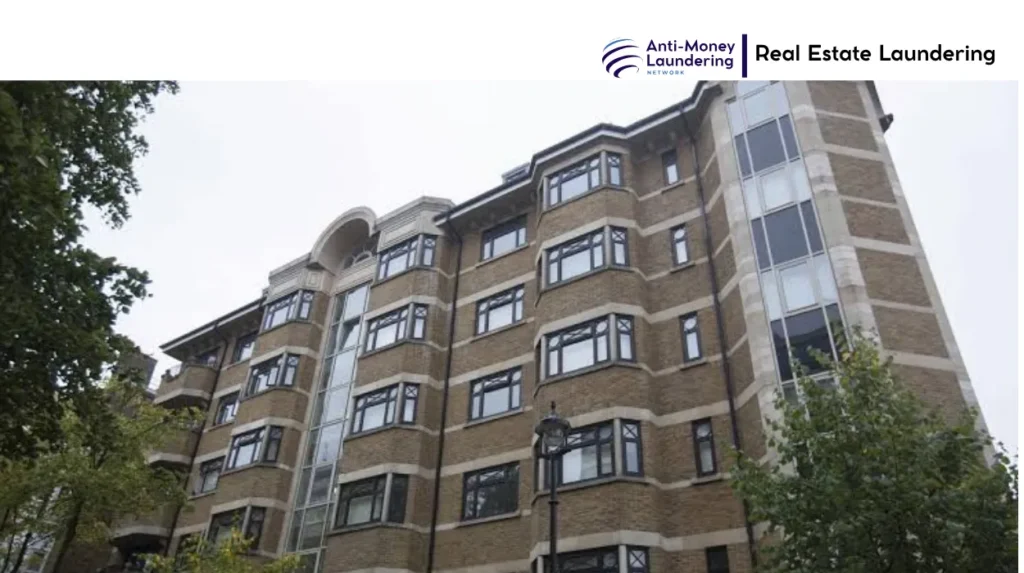
Location

The property cluster is located in London, England, United Kingdom, with an additional residential property reported in Gerrards Cross, Buckinghamshire, England.

Reported London locations include Marylebone Road, St John’s Wood, Chester Close North and St Edmund’s Terrace. The alleged source-of-funds and predicate-offence connection is Nigeria, particularly the country’s petroleum sector and state-linked oil transactions.

The case therefore involves a cross-border structure involving Nigeria, the United Kingdom, the United States and offshore incorporation jurisdictions reportedly including Seychelles and the British Virgin Islands.

The assets are high-value residential properties consisting of luxury apartments and a large detached residence.

Reportedly associated properties include The Falls at 96 Camp Road, Gerrards Cross; 39 Chester Close North, London; Flat 58 Harley House, Marylebone Road; Flat 5 Park View, Prince Albert Road, St John’s Wood; and residential accommodation at 22 St Edmund’s Terrace, London.

The properties are relevant to real estate laundering analysis because they represent the integration of alleged illicit value into prime residential markets. Their alleged use involved not only purchase but also occupancy, rent, refurbishment, furniture, artwork, domestic staff and other lifestyle expenditure.

The reported ownership structure involved offshore companies rather than direct personal ownership by Alison-Madueke.

Public court-material summaries and investigative reporting associated the properties with Miranda Investments Ltd, reportedly incorporated in Seychelles; Mortlake Investments Ltd, reportedly incorporated in the British Virgin Islands; Rosewood Investments Ltd, reportedly associated with Seychelles; and Colinwood or Collingwood Ltd, also described in reporting as an offshore corporate vehicle.

The use of offshore companies is not, by itself, evidence of money laundering. Corporate ownership can serve legitimate purposes, including privacy, investment management, tax planning and succession planning. However, the structure becomes high risk when combined with a foreign PEP, unclear funding, third-party payments, alleged corruption-linked commercial relationships and a mismatch between legal ownership and residential use.

The available public record does not conclusively establish that every company was a sham company or that Alison-Madueke personally owned every property. The ownership structure should therefore be classified as offshore and

The alleged beneficial-use and control structure involved several individuals and companies.

Diezani Alison-Madueke was the alleged beneficiary of property use and related luxury expenditure. She was Nigeria’s Minister of Petroleum Resources from 2010 to 2015 and therefore a foreign PEP during the relevant period.

Kolawole Akanni Aluko was identified in US allegations as a Nigerian businessman involved in financing or arranging property-related benefits. Public court-paper summaries also linked companies associated with him to rental payments and other lifestyle expenditure.

Olajide “Jide” Omokore was identified as another Nigerian businessman allegedly connected to the wider oil-sector commercial arrangements and alleged provision of benefits.

The companies reportedly used to acquire or hold specific properties included Miranda Investments Ltd, Mortlake Investments Ltd, Rosewood Investments Ltd and Colinwood or Collingwood Ltd.

Beneficial ownership remains disputed. Nigerian litigation reported in 2022 stated that businessman Benedict Peters and companies associated with him claimed legitimate ownership of certain assets, including selected London properties. That litigation means the database should not record Alison-Madueke as the confirmed legal owner of all properties. The appropriate classification is alleged beneficial user or recipient of value, with property-specific ownership requiring documentary verification.

Yes.

Diezani Alison-Madueke was a senior Nigerian government official and former petroleum minister. She was also the first female president of OPEC. Her public role placed her within the category of a foreign politically exposed person.

PEP status does not establish criminality. It indicates that the individual’s position creates elevated exposure to bribery, influence-peddling, abuse of public office and corruption proceeds. The property portfolio therefore required enhanced due diligence, including identification of source of wealth, source of funds, close associates, family members, corporate vehicles and parties paying property expenses.

The risk was increased by allegations that wealthy oil-sector businessmen provided accommodation, renovations, furnishings and other benefits while seeking commercial advantages connected to Nigeria’s petroleum industry. UK prosecutors alleged that Alison-Madueke received improper benefits, but a London jury acquitted her of all six bribery-related charges in June 2026.

The reported acquisition method involved layered corporate ownership, offshore financing or payment arrangements and third-party benefits.

The properties were allegedly acquired through offshore companies rather than directly by Alison-Madueke. Reported transactions included a January 2011 purchase of The Falls through Miranda Investments Ltd and March 2011 purchases involving Mortlake Investments Ltd, Rosewood Investments Ltd and Colinwood or Collingwood Ltd.

The public allegations do not establish that all purchases were cash transactions. The precise bank accounts, financing facilities, lenders and completion statements should be verified against certified Land Registry records, corporate filings, conveyancing files and financial intelligence.

The most significant acquisition concern is the alleged separation between the person enjoying the properties and the companies appearing to hold legal title. This can make property acquisition appear to be an ordinary corporate investment while concealing the person who provided the funds or received the economic benefit.

The primary suspected technique was layering through offshore companies. Companies incorporated in Seychelles and the British Virgin Islands reportedly appeared in the ownership chain for properties located in the United Kingdom. This created additional barriers to identifying the ultimate beneficial owner and tracing the original source of funds.

A second suspected technique was nominee or proxy ownership. The properties were allegedly held by corporate entities or associates while Alison-Madueke and family members allegedly enjoyed their use. This is not conclusively proven for every property, but the pattern is a material beneficial-ownership risk.

A third suspected method was the provision of non-cash benefits. Instead of allegedly transferring money directly to the PEP, third parties were alleged to have paid for accommodation, rent, property improvements, furniture, artwork, staff and other expenses. These payments can represent a transfer of value even where no direct cash payment is made to the official.

A fourth risk involved asset integration through luxury real estate. High-value residential property can preserve wealth, provide personal use, support future resale and potentially generate legitimate-looking proceeds through sale, refinancing or rental income.

Luxury overvaluation, under-invoicing, sham mortgages, rapid flipping and circular sales are recognized real estate laundering techniques, but they are not conclusively established in the public record for this property cluster. They should remain investigation hypotheses rather than recorded facts.

The reported transaction history begins in January 2011, when Miranda Investments Ltd allegedly acquired The Falls at 96 Camp Road, Gerrards Cross, Buckinghamshire.

On 24 March 2011, Mortlake Investments Ltd was reportedly associated with the purchase of 39 Chester Close North in London for approximately ÂŁ1.73 million.

On 28 March 2011, Rosewood Investments Ltd was reportedly associated with the acquisition of Flat 58 Harley House on Marylebone Road.

On 29 March 2011, Colinwood or Collingwood Ltd was reportedly associated with the purchase of Flat 5 Park View on Prince Albert Road in St John’s Wood for approximately £3.75 million.

Between August 2011 and January 2014, public court-paper summaries alleged that Aluko and Tracon Investments Ltd paid approximately £537,922 in rent for two residences at 22 St Edmund’s Terrace. One of the flats was reportedly occupied by Alison-Madueke, while another was reportedly used by her mother.

Between 2011 and 2015, the alleged property and lifestyle benefits were presented by authorities as part of a wider corruption investigation involving Nigerian oil-sector dealings.

In 2016, UK authorities reportedly obtained restraint measures affecting specified properties under proceeds-of-crime legislation. The reported order restricted the defendants from disposing of or dealing with the assets.

In 2017, the US Department of Justice initiated civil-forfeiture proceedings seeking approximately $144 million in assets allegedly connected to corruption in Nigeria’s oil industry. The proceedings addressed a wider group of assets and should not be treated as a final forfeiture order covering every UK property.

In 2022, Nigerian litigation reportedly challenged enforcement action against certain London properties, with a court finding, according to media reports, that particular properties belonged to Benedict Peters and related companies.

In 2023, US authorities announced recovery of approximately $53.1 million in cash and a $16 million promissory note from related civil cases.

In June 2026, Alison-Madueke was acquitted of six UK bribery-related charges. The acquittal should be prominently recorded in the case file.

The reported acquisition value of the four London-area residential properties was approximately ÂŁ11.53 million.

This figure is an estimated or reported property-acquisition value, not a court-determined laundering amount. It excludes alleged rent, refurbishment, furniture, artwork, household staff, maintenance, legal fees, taxes, financing costs and any subsequent appreciation.

One reported property, 39 Chester Close North, was purchased for approximately £1.73 million. Flat 5 Park View was reportedly purchased for approximately £3.75 million. The reported rent paid for two residences at 22 St Edmund’s Terrace between August 2011 and January 2014 was approximately £537,922.

The US Department of Justice’s broader civil-forfeiture case sought around $144 million in assets alleged to represent corruption proceeds. Later US recovery of approximately $53.1 million in cash and a $16 million promissory note related to the wider asset-recovery proceedings and should not be reported as the confirmed value of the UK properties.

For database purposes, the appropriate entry is:

Estimated property value exposed to laundering allegations: approximately ÂŁ11.53 million, excluding associated lifestyle expenditure and asset appreciation.

Estimated amount conclusively laundered: not judicially established.

The case is linked to official investigations by the US Department of Justice, UK law-enforcement authorities, the UK National Crime Agency and Nigerian anti-corruption bodies.

The US Department of Justice’s 2017 civil-forfeiture proceedings alleged that Aluko, Omokore and others used proceeds connected to Nigerian oil-sector corruption to acquire luxury property and other assets. The proceedings formed part of the US Kleptocracy Asset Recovery Initiative.

The UK National Crime Agency investigated Alison-Madueke for many years and supported the UK criminal prosecution. The UK case alleged that luxury home stays, expensive purchases and other benefits were connected to bribery. The jury acquitted her of all six charges in June 2026, creating a significant distinction between investigative allegations and criminal findings.

The International Consortium of Investigative Journalists reported on the case in the context of the Panama Papers and broader offshore-ownership investigations. However, a direct Panama Papers document proving that a specific London property was purchased with illicit funds should not be claimed without identifying the underlying record.

No direct FinCEN Files or Pandora Papers document has been confirmed for the specific property cluster in the sources reviewed. These names should not be added as linked leaks unless a document-specific connection is established.

The case is also linked to Nigerian litigation concerning the seizure or confiscation of selected London properties. Media reporting stated that a Nigerian High Court restrained certain enforcement measures and found that some properties legally belonged to Benedict Peters and associated companies. That finding should be verified against the complete judgment and appeal history.

UK authorities reportedly obtained a property freeze or restraint order in 2016 concerning several London and Buckinghamshire properties associated with the investigation. The order reportedly prevented defendants and related parties from disposing of or diminishing the value of the assets.

This should be recorded as a reported restraint action, not as confirmed final asset forfeiture. A restraint order preserves property during investigation or prosecution but does not necessarily establish criminal ownership or proceeds status.

The US Department of Justice filed civil-forfeiture proceedings in 2017. Civil forfeiture is legally distinct from criminal prosecution and may concern the property itself. The US authorities alleged that assets were derived from or involved in foreign corruption and money laundering.

The US government later announced recovery of approximately $53.1 million in cash and a $16 million promissory note through related civil cases. These recoveries concerned the wider alleged corruption network and should not be attributed entirely to the London properties.

The UK criminal case concluded with Alison-Madueke’s acquittal on five counts of accepting bribes and one count of conspiracy to commit bribery. The verdict means the database must not describe her as convicted of bribery or money laundering in the United Kingdom.

Reported Nigerian legal proceedings challenged the seizure of four properties, including selected London addresses. Public reports stated that the Nigerian court found that certain assets belonged to Benedict Peters and his companies. The effect of that judgment on UK restraint orders, international cooperation requests and current title status requires further verification.

Overall risk level: High.

Nigeria presents elevated corruption and PEP risk in this case because the alleged predicate conduct arose from the petroleum sector, where public officials and state-linked entities control access to valuable natural resources and commercial opportunities. The case illustrates how political authority, oil contracts and private business interests can intersect in ways that create significant bribery and asset-concealment exposure.

The United Kingdom presents high risk in relation to the property cluster because London and Buckinghamshire were allegedly used as destinations for high-value assets connected to a foreign PEP. The concern is not that the United Kingdom lacks financial controls or that every London property investment is suspicious. The concern is that offshore companies, professional intermediaries and title structures can historically make it difficult to identify the person who truly benefits from a property.

Seychelles and the British Virgin Islands present high opacity risk because their reported role was to provide corporate vehicles between alleged funders, property assets and the alleged PEP beneficiary. The use of these jurisdictions is not automatically unlawful, but it increases the need for reliable beneficial ownership records and independent source-of-funds verification.

The overall risk rating should therefore remain High, with a note stating that the risk reflects allegations, structural indicators and enforcement history rather than a final criminal finding against every linked person or entity.

Associated individuals include Diezani Alison-Madueke, Kolawole Akanni Aluko, Olajide “Jide” Omokore and, in relation to reported ownership disputes, Benedict Peters.

Associated companies include Miranda Investments Ltd, Mortlake Investments Ltd, Rosewood Investments Ltd, Colinwood or Collingwood Ltd and Tracon Investments Ltd. Tracon was reportedly linked to rental payments for London accommodation.

Nigerian public-sector entities relevant to the alleged predicate conduct include the Ministry of Petroleum Resources, the Nigerian National Petroleum Corporation and the Nigerian Petroleum Development Company.

UK institutions associated with the investigation or legal proceedings include the National Crime Agency, the Crown Prosecution Service and Southwark Crown Court.

US institutions associated with the wider asset-recovery proceedings include the Department of Justice, the Federal Bureau of Investigation and the Internal Revenue Service’s Criminal Investigation division.

The names of developers, estate agents, conveyancing solicitors, banks, mortgage lenders and property managers involved in individual transactions are not conclusively identified in the sources reviewed. These should be recorded as unknown pending certified Land Registry records, conveyancing files, banking evidence and corporate documents.

Luxury residential property, prime London apartment, detached Buckinghamshire residence.

Offshore corporate layering, alleged nominee ownership, PEP beneficial use, third-party payments, luxury-asset integration and potential concealment of source of funds.

Europe, United Kingdom, West Africa and offshore financial centres.

High

Diezani Alison-Madueke London Properties

Diezani Alison-Madueke London Properties
Country:
United Kingdom
City / Location:
London: Marylebone Road, St John’s Wood, Chester Close North and St Edmund’s Terrace; Gerrards Cross, Buckinghamshire, England
Developer / Owner Entity:
Reported owner entities include Miranda Investments Ltd (Seychelles), Mortlake Investments Ltd (British Virgin Islands), Rosewood Investments Ltd (Seychelles), and Colinwood/Collingwood Ltd (reported offshore entity). Ownership of certain assets has been disputed in Nigerian litigation by entities associated with Benedict Peters/AITEO.
Linked Individuals :

Diezani Alison‑Madueke — former Nigerian Minister of Petroleum Resources; foreign PEP; alleged beneficiary of London-area residential property, rent, renovation and luxury expenditures; acquitted of six UK bribery-related charges in June 2026. Kolawole Akanni Aluko — Nigerian businessman alleged by US authorities to have arranged or financed property-related benefits. Olajide “Jide” Omokore — Nigerian businessman alleged by US authorities to have participated in the provision of benefits. Benedict Peters — businessman associated with reported competing ownership claims involving selected London properties; not established as a participant in the alleged bribery scheme on the sources reviewed.

Source of Funds Suspected:

Suspected proceeds of foreign bribery and corruption linked to Nigerian oil-sector transactions. US civil-forfeiture pleadings alleged that oil businessmen paid bribes and supplied luxury assets, including London-area property, to Alison‑Madueke in connection with Nigerian petroleum-sector business. This is an enforcement allegation, not a final criminal finding against all named persons or properties.

Investment Type:
Residential property acquisition, PEP-linked occupancy and alleged provision of rental accommodation, refurbishment, furnishing and property-related services
Method of Laundering:
Offshore-company layering; alleged nominee/proxy ownership; third-party purchase of real estate; PEP beneficial use without visible personal title; payment of rent, refurbishment, staff and luxury furnishings; integration of alleged proceeds into prime UK residential real estate
Value of Property:
Approximately ÂŁ11.53 million alleged acquisition value for four London-area residential properties. Reported individual transactions include approximately ÂŁ1.73 million for 39 Chester Close North and ÂŁ3.75 million for Flat 5 Park View. Value excludes unquantified renovation, furnishing, rental, staffing and subsequent market appreciation.
Offshore Entity Involved?
1
Shell Company Used?
1
Project Status:
Complete
Associated Legal / Leak Files:

US Department of Justice civil-forfeiture action (2017): sought approximately $144 million in assets alleged to be corruption proceeds linked to Nigeria’s oil industry. US DOJ asset recovery (2023): final recovery of approximately $53.1 million in cash plus a $16 million promissory note from the broader civil cases. UK restraint proceedings: Southwark Crown Court restraint order reportedly obtained in 2016 concerning specified properties and related interests. UK bribery trial: Alison‑Madueke was acquitted of all six charges in June 2026. Nigerian ownership litigation: reported 2022 court action involving claims over selected UK properties. Panama Papers / Pandora Papers / FinCEN Files: no direct linkage confirmed from the reviewed sources.

Year of Acquisition / Construction:
đź”´ High Risk