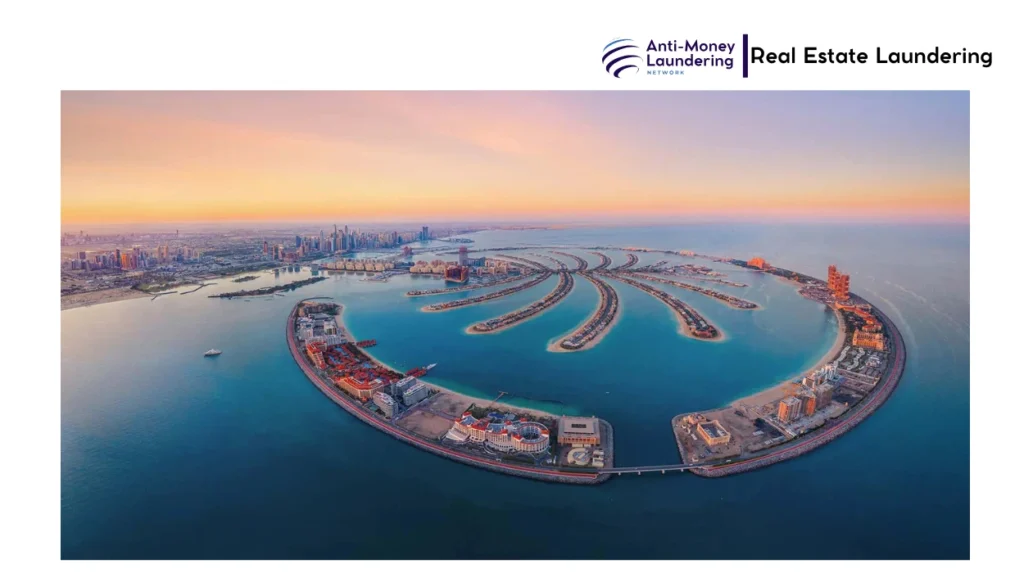
The Dubai Waterfront Development, also known as Waterfront, was conceived as the world’s largest waterfront and man-made development project, envisioned to transform Dubai’s coastline into a vibrant urban hub. Launched in the early 2000s by Dubai-based developer Nakheel Properties, the project aimed to create a world-class destination for residents, visitors, and businesses. The vision was to develop a sprawling artificial city covering an area of about 130 million square meters, significantly expanding Dubai’s Persian Gulf coastline by more than 70 kilometers. This vast development was planned to house around 1.5 million people and generate approximately one million jobs, effectively doubling Dubai’s population size at the time.
Nakheel Properties, the main developer, held a 51% ownership stake in the Dubai Waterfront Company managing the project. The initiative was designed with a mix of commercial, residential, resort, and amenity zones. It featured distinct areas such as Madinat Al Arab, which was to serve as Dubai’s new downtown and central business district, including luxury resorts, retail spaces, and a proposed skyscraper. Other zones like Al Ras, Corniche, The Riviera, and The Palm Boulevard highlighted the diversity in planning.
OMA (Office for Metropolitan Architecture), led by key figures Reinier de Graaf and Rem Koolhaas, was commissioned to design the masterplan starting in 2007. Their approach focused on creating a high-density, car-free urban environment modeled with the density of Manhattan. The plan included a central island surrounded by four neighborhoods connected via comprehensive public transport, including links to Dubai’s metro and the upcoming Al Maktoum International Airport. The original design even incorporated symbols meaningful to Islamic culture, such as star and crescent-shaped artificial islands, though the design was later revised.
Leadership and Key Stakeholders
Nakheel Properties, established in the early 2000s, was Dubai’s largest real estate developer known for projects like the Palm Islands and The World islands. Nakheel brought strong financial backing from Dubai’s government-linked entities, reflecting the emirate’s ambitions to diversify its economy through real estate and tourism.
The project’s master planning by OMA involved renowned architects with a strong international portfolio, contributing sophisticated urban design concepts to the Dubai Waterfront. Key individuals in the project included Reinier de Graaf, OMA’s partner, and architects with experience in other large-scale developments in the Gulf region.
Because the project was government-backed, decision-making involved collaboration among Dubai’s urban planning authorities, Nakheel’s executive board, and international partners. While key persons and board members remain less publicized, Nakheel’s reputation and links to Dubai’s ruling family gave the project significant political and financial weight.
Controversies and Scandals
Despite its ambitious vision, the Dubai Waterfront Project faced substantial challenges including controversies related to financial management and overall feasibility. The global financial crisis of 2008 was a pivotal event that caused the project to be delayed and eventually stalled. By the time the crisis hit, nearly 40% of the artificial islands were constructed, but escalating costs and reduced investor confidence led to suspension of further work.
There have been occasional reports and concerns regarding opaque financial dealings linked to large Dubai real estate projects, including Dubai Waterfront. These concerns involved potential misuse of funds, over-invoicing, and the establishment of shell companies to facilitate investments and ownership anonymization. However, specific investigations targeting Dubai Waterfront, in publicly available sources, are limited. No highly publicized corruption or money laundering cases explicitly naming Dubai Waterfront have emerged, though the broader real estate sector in Dubai has periodically been scrutinized for these risks.
Money Laundering Activities
Dubai’s real estate market, including major developments like the Dubai Waterfront, is considered vulnerable to money laundering due to attractive property values, high foreign investment, and regulatory gaps. Mechanisms such as over- and under-invoicing of property transactions, use of nominees or fake buyers, and layering through offshore accounts and shell companies have been associated with laundering activities.
While the Dubai Waterfront development has not been directly implicated in landmark AML cases, its scale and openness to foreign investment make it a sector to monitor closely. Complex transactions involving cross-border capital flows and shell entities could facilitate such activities indirectly. The project’s transactions likely exhibited patterns common in regional real estate laundering schemes, such as rapid transfers, non-transparent ownership, and inflated valuations.
International Links and Benefited Countries
The Dubai Waterfront project attracted investors from across the globe, contributing to Dubai’s position as an international property investment hub. The development was particularly appealing to investors from the Middle East, Asia, Europe, and Russia due to Dubai’s strategic location and tax-free environment.
The project’s openness to foreign investment meant that cross-border transactions, both direct and through offshore vehicles, were common. These investments helped diversify Dubai’s economy but also linked the development internationally, creating pathways for both legitimate capital and potentially illicit funds. While specific beneficiary countries or offshore structures tied to Dubai Waterfront property transactions are not explicitly documented, the broader UAE real estate market is known for such cross-border financial flows.
Regulatory Actions and Legal Proceedings
Following the 2008 financial crisis and the project’s suspension, Dubai authorities intensified regulatory oversight of large real estate projects, including Nakheel developments. The Financial Intelligence Authority (FIA) in the UAE and international bodies such as the Financial Action Task Force (FATF) have gradually enhanced AML regulations applicable to real estate investments.
No public records indicate that Dubai Waterfront itself has been subject to major court rulings or criminal prosecutions. However, regulatory frameworks now require developers and real estate brokers in Dubai to implement anti-money laundering compliance programs including KYC (Know Your Customer) and transaction monitoring, which would apply to properties developed under Dubai Waterfront.
Public Impact and Market Reaction
The Dubai Waterfront project’s scale promised to revolutionize Dubai’s urban form and property market. Anticipations of increased waterfront homes, commercial spaces, and leisure amenities fueled investor interest in early phases. The mention of Dubai Waterfront Market and Dubai Waterfront Fish Market highlights plans for lively commercial and retail zones that appealed to a mix of residents and tourists.
However, the project’s stall and eventual cancellation caused market uncertainties. Property buyers and investors suffered losses or delayed returns, while market confidence temporarily dipped. Prices in some waterfront properties elsewhere in Dubai fluctuated as attention shifted away from the stalled project. Over time, Dubai’s real estate market stabilized with new projects but the Dubai Waterfront remains a symbol of the overheated real estate boom and its vulnerability to external financial shocks.