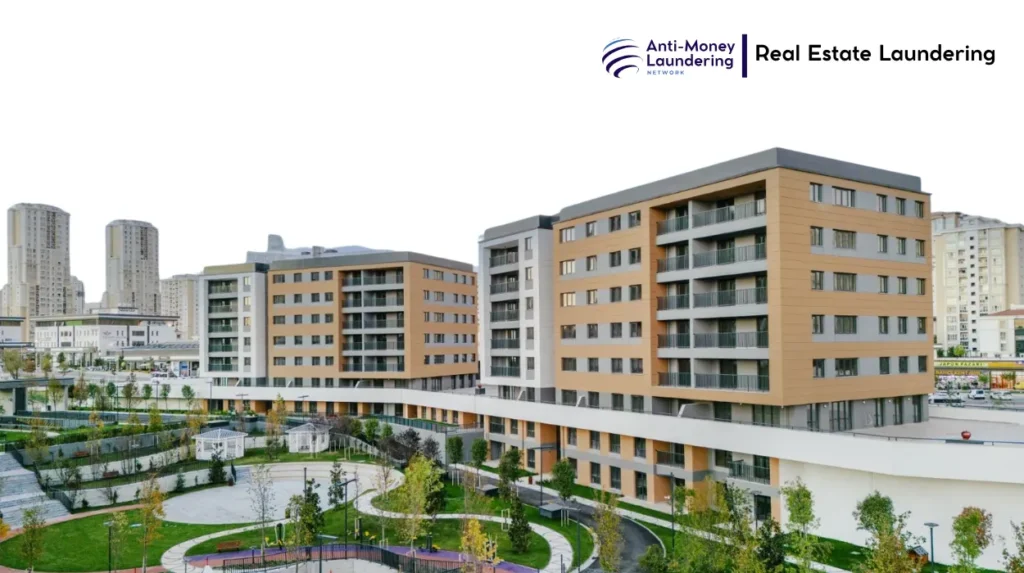
Emlak Konut GYO serves as a pivotal player in Turkey’s real estate sector, functioning as a state-backed REIT that spearheads large-scale housing and urban development initiatives. Established with roots in post-war reconstruction efforts, it has evolved into a major force behind the country’s modernization of living spaces, blending public policy objectives with private sector efficiency.
This comprehensive article delves into its formation, operations, challenges, and future trajectory, drawing on historical context and operational details to provide an evergreen analysis suitable for investors, policymakers, and industry observers.
Project Introduction (Formation & Background)
The Emlak Konut Turkey overview reveals a company with deep historical ties to national development goals. Its origins date back to 1953, when Ankara İmar Ltd was founded under the auspices of Emlak Bank, a state institution tasked with addressing Turkey’s post-World War II housing shortages.
This early entity focused on systematic property development, constructing organized residential neighborhoods that introduced modern planning principles to rapidly growing urban centers like Ankara and Istanbul. By the 1960s and 1970s, it had completed numerous mid-rise apartment complexes, setting standards for density and infrastructure integration that influenced subsequent generations of builders.
In 1987, the organization rebranded as Emlak Konut, becoming a dedicated subsidiary of Emlak Bank. This period marked a shift toward more ambitious projects, incorporating social amenities such as schools, parks, and commercial spaces within residential zones. The true transformation occurred in the early 2000s amid Turkey’s banking reforms.
Following the 2001 financial crisis and the subsequent liquidation of Emlak Bank in 2002, assets and operations transferred to TOKİ, the Prime Ministry Housing Development Administration. This led to the establishment of Emlak Konut GYO history as a Real Estate Investment Trust under Law No. 4946 in 2003, enabling it to operate with greater financial flexibility while aligning with TOKİ’s mass housing mandate.
Emlak Konut TOKI ownership remains a cornerstone of its identity, with TOKİ holding majority control. The initial vision, articulated by founders rooted in government planning bodies, emphasized affordable, high-quality housing to support demographic shifts from rural to urban areas.
By leveraging public land resources, Emlak Konut aimed to generate revenue without direct state subsidies, a model that quickly proved scalable. Within its first decade as a GYO, it launched over 100 projects, delivering more than 100,000 housing units and establishing itself as a model for public-private partnerships in emerging markets.
The company’s public listing further solidified its market presence. Emlak Konut public offerings commenced with an initial public offering in May 2010 on the Borsa Istanbul, under the ticker Emlak Konut stock EKGYO. This move attracted institutional investors and raised significant capital for expansion.
A secondary offering in 2013 expanded its shareholder base, with paid-in capital reaching 3.8 billion Turkish liras by 2024. Today, its Emlak Konut land bank size spans millions of square meters across prime locations, providing a strategic reserve for future Emlak Konut mega projects.
Management and Project Head
Effective leadership has been instrumental in navigating Emlak Konut’s complex operational landscape. Emlak Konut management is structured around a professional executive team reporting to a board of directors, many of whom are appointed with input from TOKİ and relevant ministries.
The CEO position, often held by seasoned bureaucrats or industry veterans, oversees day-to-day decisions on project tenders, financing, and sales strategies. For example, figures like former Environment and Urbanization Minister Murat Kurum have influenced strategic direction during their tenures, bringing policy expertise from national housing programs.
The Emlak Konut board of directors typically comprises 7-9 members, including independent directors to ensure governance standards compliant with Capital Markets Board regulations. Their backgrounds often include prior roles in TOKİ projects, municipal planning, or private construction firms, fostering a blend of public service ethos and commercial acumen.
Reputationally, the board has been credited with maintaining project delivery timelines despite economic volatility, such as the 2018 currency crisis and 2023 earthquakes. Financial links to state entities provide stability, though they also invite scrutiny over procurement impartiality.
Emlak Konut director roles extend to specialized committees for audit, risk, and sustainability, reflecting a commitment to corporate governance. Previous projects under current and past leadership, such as the massive urban renewal schemes in Istanbul’s Fikirtepe district, demonstrate a proven ability to manage multi-billion-lira budgets.
Emlak Konut investor relations is proactive, with quarterly briefings, roadshows, and a dedicated portal for shareholders. For those interested in Emlak Konut careers, opportunities abound in engineering, finance, and project management, with the Emlak Konut office located at its headquarters in Üsküdar, Istanbul—Emlak Konut address: Rüzgarlıbahçe Mahallesi, Cumhuriyet Cad. No: 14, 34673 Beykoz/İstanbul.
Emlak Konut Business Model and Operations
Emlak Konut business model hinges on the innovative Emlak Konut revenue sharing model, where the company allocates land via competitive tenders to qualified developers. Contractors finance construction, market units, and remit a predetermined share of sales proceeds—typically 20-30%—to Emlak Konut, minimizing upfront capital outlay.
This approach has powered 388 projects since 2003, resulting in 251,000 independent units and over 50 million square meters of gross construction area as of 2024.
Emlak Konut residential projects form the bulk of its portfolio, ranging from affordable apartments to mid-luxury complexes equipped with smart home features. Emlak Konut commercial real estate complements these, including office towers, retail malls, and hotels in mixed-use developments.
Emlak Konut Istanbul developments, such as those in Başakşehir and Ümraniye, exemplify high-density urban living with integrated public transport links. The Emlak Konut projects list is extensive, featuring ongoing sites like Validebağ Konakları, which drew 21,500 visitors during pre-launch in 2023.
Financially, Emlak Konut financial performance shines through steady revenue streams. In 2024, it reported assets of 205 billion liras and net sales of 28 billion liras, per its Emlak Konut annual report. Emlak Konut financial statements detail robust liquidity from pre-sales and Emlak Konut bulk sales certificates, such as the 2025 Damla Kent IPO raising $526 million.
Emlak Konut 2025 sales targets were set at 50 billion liras, bolstered by Emlak Konut share appreciation amid market recovery.
Special initiatives underscore adaptability. Emlak Konut earthquake zone housing post-2023 Kahramanmaraş quakes prioritized resilient designs in affected regions like Hatay and Adıyaman, delivering thousands of temporary and permanent units. Emlak Konut urban transformation efforts in high-risk Istanbul neighborhoods replace outdated structures with seismic-compliant buildings.
Sustainability initiatives incorporate LEED-certified materials, solar panels, and green spaces, positioning Emlak Konut as a forward-thinking developer. Emlak Konut new tenders continue to refresh the pipeline, with recent awards for Anatolian expansions.
Controversies & Scandals
No major enterprise operates without challenges, and Emlak Konut history includes episodes warranting examination. The most notable occurred in December 2013, during Turkey’s widespread corruption scandal. Emlak Konut’s general manager was summoned by police as part of probes into urban tenders, bribery allegations, and irregular permitting processes.
The inquiry implicated construction sector bribes totaling millions of liras, with real estate transactions flagged for potential kickbacks to officials. Although cases against executives were eventually dropped in 2014 amid judicial purges, the events eroded short-term investor confidence.
Additional reports have highlighted Emlak Konut suspicious real estate deal patterns, such as accelerated approvals for mega-projects in politically sensitive areas. Media outlets questioned bidding transparency in certain revenue-sharing contracts, though audits cleared formal irregularities. These incidents underscore the tensions inherent in state-backed operations, where public procurement intersects with private interests.
Money Laundering Activities
Turkey’s real estate sector, classified as a Emlak Konut high-risk sector by international watchdogs, necessitates stringent oversight. Emlak Konut AML compliance aligns with MASAK (Financial Crimes Investigation Board) directives, mandating Emlak Konut client verification for high-value buyers, including identity checks and transaction monitoring.
Risk assessment protocols evaluate Emlak Konut source of funds, particularly in bulk pre-sales where foreign purchasers are common.
Concerns over Emlak Konut layering (money laundering stage)—the obfuscation of illicit origins through complex transactions—have arisen in broader sectoral analyses. While no substantiated claims target Emlak Konut directly, patterns like rapid unit flips in luxury developments and amnesty programs forgiving undeclared wealth have fueled speculation.
Emlak Konut beneficial ownership transparency is enhanced via public disclosures, but layered developer partnerships complicate full traceability. Emlak Konut real estate professionals undergo mandatory training to spot red flags, supporting Emlak Konut property acquisition due diligence.
International Links & Benefited Countries
Emlak Konut foreign investments mark its maturation as a global operator. Emlak Konut Saudi Arabia projects, including the November 2025 $400 million Hayat Mekke partnership with Saudi Arabia’s National Housing Company, involve developing 1,014 villas near Mecca. This deal exemplifies cross-border real estate transaction synergies, exporting Turkish expertise while securing revenue shares.
Such collaborations benefit partner nations through technology transfer and joint ventures, with potential extensions to Gulf states. While offshore accounts are not publicly confirmed, international financing often routes through Dubai or London intermediaries, standard for large-scale builds.
Regulatory Actions & Legal Proceedings
Regulatory scrutiny post-2013 prompted enhancements in compliance frameworks. No targeted actions by FATF or equivalents have singled out Emlak Konut, unlike citizenship-by-investment schemes revoked for 451 investors in 2025. Court rulings from graft probes were nullified, with ongoing emphasis on Emlak Konut financial statements proving clean audits.
Public Impact & Market Reaction
Emlak Konut investment opportunities have mobilized domestic savings, with Emlak Konut stock EKGYO yielding dividends attractive to retail holders. Public impact manifests in improved housing stock, though Emlak Konut Istanbul developments have inflated local prices, challenging affordability. Market trust recovered post-scandals, evidenced by oversubscribed offerings, while economic ripple effects support GDP via construction jobs.
Operational as of 2026, Emlak Konut thrives with active sites and a year founded legacy from 1953. Emlak Konut location advantages in key cities sustain momentum. Experts forecast expansion via Emlak Konut revenue growth, tempered by inflation and geopolitics, affirming its enduring relevance in Turkish real estate.