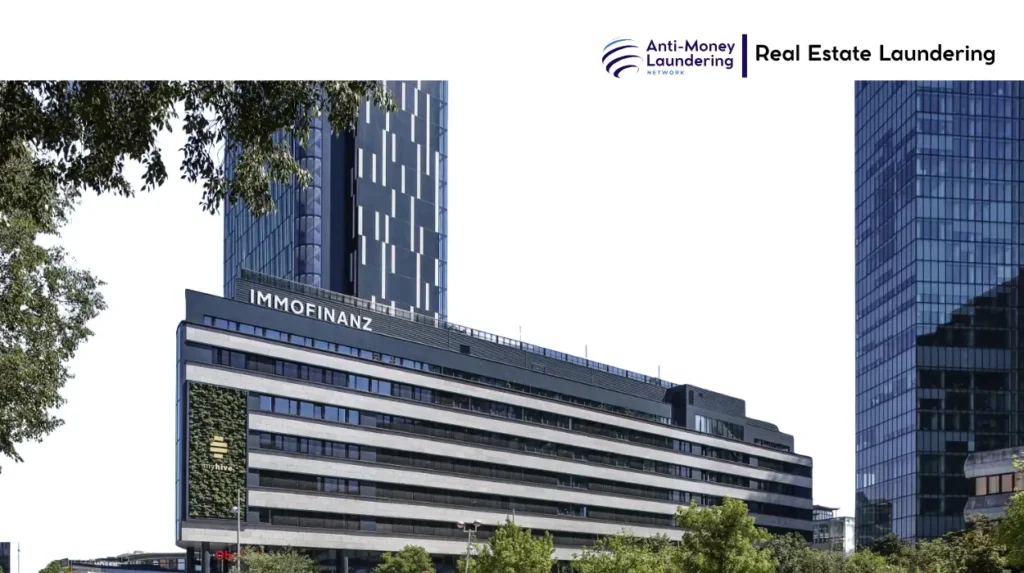
Immofinanz stands as a prominent real estate company headquartered in Vienna, Austria, with a long and evolving presence in the Central and Eastern European property market. The group began as a domestic developer and has since transformed into a diversified, income‑oriented real estate operator focused on retail and office assets. Its origin in the early 1990s positioned it to capitalize on the post‑communist transition, when private capital and real estate investment began to flow into formerly state‑controlled markets.
Over the subsequent decades, Immofinanz expanded its reach, adding portfolios in Austria, Germany, and several Central European countries, ultimately becoming one of the region’s larger listed real estate platforms. The company’s trajectory reflects both the structural opportunities of European urbanization and the regulatory and governance challenges that accompany high‑value property investment in a capital‑markets‑linked environment.
Immofinanz Austria overview also encompasses its role as a perceived Austrian REIT‑style vehicle, operating with a focus on rental income, portfolio diversification, and long‑term asset management rather than short‑term development flips.
The group’s publicly listed status on the Vienna Stock Exchange underpins its exposure to international investors and institutional capital, which in turn shapes its strategy around transparency, governance, and risk management. At the same time, Immofinanz has been repeatedly drawn into controversies linked to complex financing structures, opaque intermediaries, and questions about source of funds, which have made it a case study in how listed real estate can straddle legitimate investment and high‑risk AML‑related dynamics.
Immofinanz Vienna headquarters and corporate structure
Immofinanz maintains its corporate headquarters in Vienna, consolidating its operations, asset management, and investor relations functions in the Austrian capital. The choice of Vienna as its base reflects historical ties to the local property market and the city’s role as a regional financial and commercial hub.
The Vienna headquarters coordinates property management, leasing, development planning, and financial reporting across the group’s portfolio, ensuring that decisions on acquisitions, disposals, and repositioning are aligned with overarching capital‑allocation and risk‑management strategies. The head office also serves as the primary interface with regulators, including the Austrian Financial Market Authority, and with international rating agencies and equity analysts.
Within this framework, Immofinanz operates through a layered corporate structure that includes multiple subsidiaries and special‑purpose vehicles, some of which are incorporated in Austria and others in neighboring jurisdictions. This structure supports the group’s expansion into Central Europe and Germany while enabling financing through bond issues, bank loans, and equity placements.
The group’s controlling shareholders have changed over time, with CPI Property Group emerging as the dominant owner in recent years, effectively integrating Immofinanz into a broader pan‑European real estate platform. The CPI rebrand history and ongoing integration process have influenced Immofinanz’s branding, governance, and strategic priorities, gradually shifting the company away from its origins as a standalone Austrian REIT toward a more integrated, fund‑style operator.
Immofinanz company history and formation
Immofinanz company history begins with the company’s establishment in the early 1990s as a property developer focused on the Austrian market. During this period, the group began assembling a portfolio of retail and office sites in Vienna and other major Austrian cities, leveraging access to urban land and early‑stage retail demand.
The transition from a local developer to a widely diversified real estate group accelerated in the late 1990s and early 2000s, when Immofinanz leveraged capital markets to finance its expansion. The company’s listing on the Vienna Stock Exchange allowed it to raise equity from public investors, issue bonds, and pursue acquisitions in both developed and emerging real estate markets.
Immofinanz’s growth trajectory was intimately tied to the integration of Central and Eastern Europe into the European Union and the broader European real estate investment ecosystem. The company entered markets such as Germany, Poland, Hungary, and other CEE countries, where it acquired existing shopping centers, office buildings, and undeveloped sites slated for mixed‑use projects.
This expansion was supported by a combination of internal cash generation and external financing, including bank loans, bond issues, and private‑placement structures. The group’s portfolio gradually evolved into a mix of retail centers and office investments, positioning it as a dual‑stream operator rather than a pure retail REIT.
Immofinanz real estate portfolio and asset composition
Immofinanz real estate portfolio is characterized by a diversified mix of retail and office properties located across Austria, Germany, and several Central European markets. The portfolio includes shopping centers, retail parks, urban malls, and mixed‑use schemes that combine retail with residential or office components. In Austria, the group focuses on high‑traffic locations in Vienna and other major cities, where the combination of population density and consumer spending supports strong rental demand. The company’s positioning in Vienna real estate is particularly notable, as the city remains one of the most stable and liquid real estate markets in Central Europe.
In addition to retail, Immofinanz maintains a portfolio of office buildings, including Vienna office towers and other commercial assets in mid‑sized cities. Office investments have become increasingly important as the group seeks to balance the cyclical nature of retail with more stable, long‑term income from corporate tenants.
The office properties are often located in central business districts or transportation hubs, where occupiers demand modern infrastructure, efficient layouts, and high‑quality building services. Immofinanz’s asset management team focuses on optimizing lease structures, tenant mix, and building performance to maximize rental income across both retail and office segments.
Immofinanz retail properties and Central Europe footprint
Immofinanz retail properties constitute a core segment of the group’s portfolio, with a particularly strong presence in shopping malls and retail parks. The company’s retail centers in Central Europe are concentrated in Austria, Germany, Poland, and Hungary, reflecting the group’s overarching strategy to operate in mid‑sized and growing consumer markets rather than over‑saturated megacities.
These shopping malls often anchor regional commerce, serving local and nearby communities with a mix of supermarkets, fashion retailers, food and beverage outlets, and service providers. The retail‑focused assets are designed to capture foot traffic through convenient locations, parking availability, and integrated amenities such as leisure and entertainment options.
Immofinanz Central Europe markets have been central to the group’s growth narrative, as the expansion into Poland, Hungary, and other countries provided higher yield opportunities compared with the more mature Austrian market. In Poland, the Immofinanz Poland portfolio includes several regional shopping centers and mixed‑use developments, which have benefited from the country’s sustained economic growth and rising consumer spending.
The group’s Hungarian assets similarly reflect a focus on urban and suburban locations where new retail supply aligns with demographic trends and changing consumption patterns. Immofinanz Germany operations extend this footprint into the largest European economy, with a collection of retail parks and secondary‑city malls that complement the German property landscape.
Immofinanz office investments and diversified income streams
Immofinanz office investments complement the group’s retail‑center strategy by diversifying income sources and lowering exposure to retail‑sector volatility. The office portfolio includes modern commercial buildings in Vienna, other Austrian cities, and select German locations, with an emphasis on Class A or near‑Class A quality.
These office properties are typically leased to corporate tenants, public sector entities, and professional services firms, which value long‑term stability, central locations, and high‑quality building management. Immofinanz focuses on maintaining high occupancy rates and reducing vacancy through active leasing, tenant retention programs, and targeted refurbishments.
The office investments in Europe are particularly relevant as remote‑working trends and hybrid work models reshape demand for office space. Immofinanz has responded by prioritizing well‑located, flexible, and amenity‑rich buildings that can attract tenants seeking modern work environments.
The group’s focus on office properties Europe examines the broader trend of repurposing or upgrading older stock to meet evolving workplace requirements, including sustainability certifications, energy‑efficient systems, and digital connectivity. By balancing retail and office assets, Immofinanz attempts to create a more resilient income profile that can withstand sectoral fluctuations while still capitalizing on long‑term urbanization and commercial growth.
Immofinanz ATX index listing and market positioning
Immofinanz ATX index listing places the company within Austria’s premier stock market index, reinforcing its role as a flagship real estate name in the domestic capital markets. The inclusion in the ATX provides the group with greater visibility among institutional investors, index funds, and global equity allocators, which in turn supports liquidity and financing options.
The stock price ATX for Immofinanz has fluctuated over time, reflecting both macroeconomic factors, such as interest rates and retail‑sector headwinds, and company‑specific events like governance‑related news, regulatory actions, and strategic announcements. Market capitalization metrics indicate the scale of investor interest in the group, with Immofinanz typically ranking among the larger real estate holdings in the Austrian equity universe.
The ATX listing also underscores Immofinanz’s integration into the broader European public real estate sector, where investors compare the company’s performance with other listed REITs and diversified property groups. Earnings per share, dividend payout ratios, and portfolio valuation multiples are closely scrutinized by analysts and fund managers assessing the group’s risk‑return profile.
The listed status further amplifies the importance of transparent reporting and corporate governance, as any shortcomings in disclosure or internal controls can rapidly affect stock price ATX performance and investor confidence. Immofinanz’s positioning as a listed entity therefore requires a careful balance between growth‑oriented acquisitions and prudent risk management.
Immofinanz development projects and portfolio evolution
Immofinanz development projects have played a crucial role in reshaping the group’s real estate portfolio over the past two decades. Rather than solely acquiring existing properties, Immofinanz has periodically invested in redeveloping or repurposing underutilized sites, including former industrial areas, suburban lots, and aging retail complexes.
These projects often involve converting obsolete buildings into modern shopping centers, mixed‑use developments, or office‑led schemes that better align with current market demand. The group’s development strategy has been particularly evident in Central Europe, where rising urban populations and evolving consumption patterns create opportunities for new retail and commercial supply.
In recent years, Immofinanz has shifted toward a more selective approach to development, prioritizing projects that can be funded through existing cash flows or targeted financing rather than large‑scale speculative ventures. The company’s focus has increasingly turned toward refurbishing and optimizing existing assets, including upgrading building systems, improving tenant mix, and enhancing sustainability features.
This evolution reflects broader market trends, including technological change, changing consumer preferences, and investor demand for ESG‑aligned properties. Immofinanz development projects are therefore less about creating entirely new city‑center landmarks and more about incrementally improving the quality and efficiency of the existing portfolio.
Immofinanz financial performance and earnings metrics
Immofinanz financial performance has been shaped by the cyclical nature of retail, the growing contribution of office assets, and the group’s financing structure. The company’s financial reports highlight rental income growth driven by occupancy improvements, re‑leasing at higher rents, and portfolio optimization. Immofinanz rental income 2024 and rental income growth metrics indicate a steady, though modest, upward trajectory, reflecting the group’s ability to sustain core cash flows despite competitive pressures and changing consumer behavior.
The property value 2023 and portfolio value figures are generally aligned with these income trends, suggesting that underlying asset values have remained relatively stable.
Earnings per share and other profitability indicators provide additional insight into the group’s financial health. Analysts examine how Immofinanz earnings per share evolves in response to operating margins, financing costs, and capital expenditures, particularly in an environment of rising interest rates and tighter capital markets. The financial performance narrative also includes the impact of one‑time events, such as asset sales and regulatory fines, which can temporarily distort earnings.
Overall, Immofinanz financial performance reflects a transition from a high‑growth, acquisition‑driven phase to a more mature, income‑oriented stage, where the emphasis is on capital efficiency and risk‑adjusted returns.
Immofinanz asset management and portfolio optimization
Immofinanz asset management is central to the group’s strategy, encompassing the day‑to‑day stewardship of its retail and office properties as well as longer‑term portfolio optimization. The asset management team is responsible for lease management, tenant negotiations, maintenance planning, and capital expenditure prioritization, ensuring that each property contributes effectively to rental income and long‑term value creation. Active asset management also includes monitoring market conditions, identifying opportunities for refurbishments or repositioning, and assessing the strategic fit of individual assets within the broader portfolio.
Portfolio optimization efforts by Immofinanz have led to selective property sales 2024 and the disposal of non‑core or underperforming assets. These transactions allow the group to recycle capital into higher‑yield or higher‑quality properties, improving the overall risk‑return profile of the portfolio.
The company’s Austria investments and Central Europe markets are periodically re‑evaluated to determine whether certain locations or asset classes remain aligned with long‑term strategic goals. Immofinanz property sales 2024 and similar divestment activities reflect this ongoing process of portfolio refinement, driven by both internal performance metrics and external investor expectations.
Immofinanz investor relations and transparency initiatives
Immofinanz investor relations play a critical role in maintaining communication with shareholders, analysts, and the broader capital markets community. The group issues regular financial reports, including quarterly and annual disclosures, that provide detailed information on portfolio performance, rental income, occupancy rates, and financing activities. Immofinanz financial report disclosures are designed to meet the requirements of listed company regulations and to support informed decision‑making by investors.
The company also participates in investor conferences, roadshows, and one‑on‑one meetings with institutions, which help convey its strategic vision and risk‑management approach.
In recent years, Immofinanz has placed greater emphasis on transparency, including initiatives related to sustainable investing and environmental, social, and governance factors. The group’s sustainable investing efforts cover areas such as energy efficiency, carbon reduction, and socially responsible tenant selection, reflecting a broader trend in European real estate.
Immofinanz sustainable investing strategies are not only aligned with investor preferences but also respond to increasing regulatory and societal expectations around corporate responsibility. These transparency initiatives are intended to rebuild trust following earlier governance and funding investigations, and to position Immofinanz as a more accountable and forward‑looking real estate operator.
Immofinanz regulatory fines FMA and governance reforms
Immofinanz regulatory fines FMA are a recurring theme in the group’s history, reflecting past shortcomings in disclosure and corporate governance. The Austrian Financial Market Authority has imposed sanctions on Immofinanz for breaches of ad‑hoc reporting obligations and other regulatory requirements, underscoring the importance of timely and accurate information in the capital markets environment.
While these fines have not been on the scale of criminal forfeitures or asset seizures, they have had reputational consequences and contributed to investor skepticism about the group’s internal controls. The regulatory actions also highlight the need for robust governance frameworks and effective oversight by the board and management.
In response to these episodes, Immofinanz has undertaken governance reforms aimed at strengthening internal controls, improving compliance processes, and enhancing transparency. The company has invested in risk assessment systems, client verification procedures, and AML‑compliance measures, particularly in light of the group’s exposure to high‑risk sectors such as listed real estate.
Immofinanz corporate governance has been scrutinized by both regulators and investors, leading to changes in board composition and management practices over time. These reforms are intended to mitigate the risk of repeat incidents and to align the group with evolving EU‑level regulatory standards.
Immofinanz 2008 police raid and funding investigations
Immofinanz 2008 police raid stands as one of the most significant episodes in the company’s history, marking a turning point in its public perception and regulatory scrutiny. Austrian authorities conducted raids on Immofinanz and its sister company Immoeast in connection with the so‑called “royal real estate scandal,” which involved allegations of misused bond funds and opaque financing structures.
The investigation centered on hundreds of millions of euros raised through bond issues, with questions about whether proceeds were diverted through shell‑type entities and intermediaries rather than being deployed into the stated real estate projects. Immofinanz funding investigations revealed complex transaction patterns and the use of multiple layers of entities, raising concerns about the transparency of source of funds and beneficial ownership.
The 2008 raid did not lead to a broad laundering conviction against Immofinanz, but it exposed vulnerabilities in the group’s financing model and the broader Austrian real estate sector. The case highlighted the potential for real estate professionals and intermediaries to facilitate layering, where capital is moved through multiple entities to obscure its origin.
Immofinanz suspicious real estate deal narratives and the associated funding investigations have since become a cautionary tale for investors, regulators, and industry participants, underscoring the importance of rigorous client verification and robust risk assessment in high‑value property transactions.
Immofinanz Middle East links and offshore financing
Immofinanz Middle East links have been the subject of investigative reporting and commentary, particularly in relation to the 2008 scandal and its aftermath. Reports have suggested that private‑bank clients and intermediaries with Gulf‑connected capital were involved in financing vehicles linked to Immofinanz and related entities.
These Middle East links are not accompanied by definitive public evidence of criminal activity, but they have raised questions about the transparency of offshore financing and the adequacy of beneficial ownership disclosure. The use of Dutch and other EU‑based shell companies within the group’s financing chain has further complicated the picture, as it obscures the ultimate source of funds and increases the risk of AML‑related misuse.
From a regulatory standpoint, Immofinanz Middle East links illustrate the challenges of monitoring cross‑border capital flows in listed real estate. The group’s exposure to offshore entities and private‑bank intermediaries makes it difficult to verify the source of funds and to assess whether any transactions involve politically exposed persons or high‑risk jurisdictions.
Immofinanz AML compliance measures have been strengthened in response to these concerns, but the case remains a reminder of how real estate can serve as a conduit for international capital that may be politically or reputational‑sensitive. The group’s efforts to promote transparent financing and beneficial ownership transparency are therefore central to its ongoing reform agenda.
Immofinanz AML compliance and risk assessment frameworks
Immofinanz AML compliance has become an increasingly important aspect of the group’s operations, reflecting the broader regulatory focus on money laundering risks in the real estate sector. The company has implemented client verification procedures, enhanced due‑diligence checks, and risk assessment frameworks to monitor the origin of funds and the identity of ultimate beneficial owners.
These measures are particularly relevant given Immofinanz’s status as a listed real estate entity operating in a high‑risk sector, where complex structures and large‑value transactions can obscure the source of funds. Immofinanz risk assessment processes are designed to identify suspicious patterns, flag potential red flags, and escalate concerns to appropriate authorities when necessary.
In addition to AML‑specific measures, Immofinanz has integrated AML‑related considerations into broader corporate governance and internal control systems. The company’s strategy emphasizes the prevention of misuse of its financing and property‑holding structures, including the avoidance of shell‑company‑driven schemes that could facilitate layering or other laundering techniques.
Immofinanz transparent financing initiatives are intended to counteract the perception that the group’s structures are opaque or vulnerable to abuse. These efforts are aligned with European and Austrian regulatory