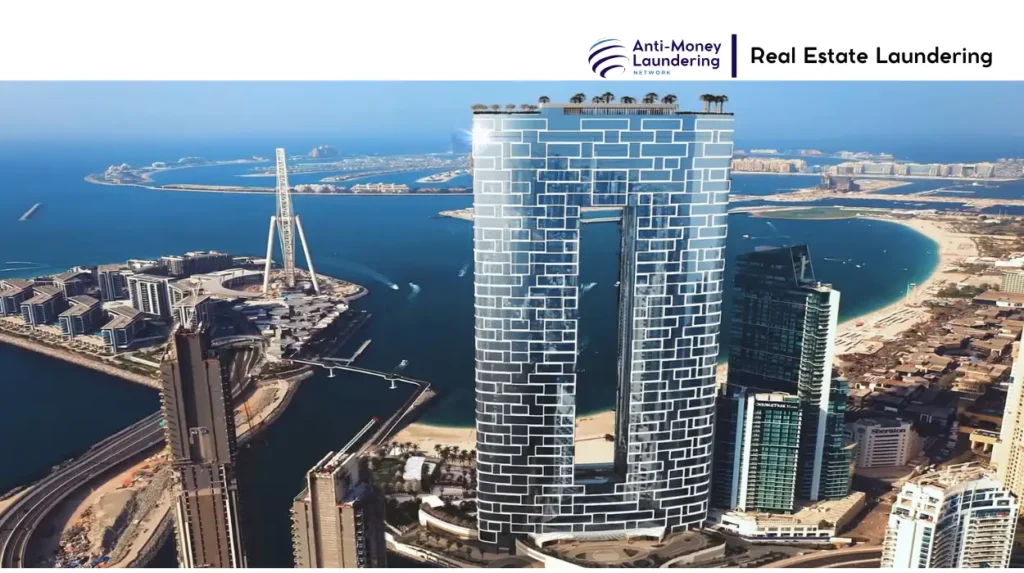
JBR Tower 2, also referred to as Safeer Tower 2, is one of the many high-rise buildings constructed within the Jumeirah Beach Residence area. Launched in the early 2000s during Dubai’s construction boom, the entire JBR project was initiated by Dubai Properties in August 2002 with a vision to create a luxurious, resort-style beach community blending urban lifestyle and natural seaside beauty. JBR culminated in about 40 towers housing over 6,900 residential units by 2010. The developers aimed to appeal to high-net-worth individuals seeking a blend of beachside living, modern amenities, and easy access to Dubai’s key commercial hubs.
The management and project heads comprised experienced urban developers affiliated with Dubai Properties and Dubai Holding, which are government-backed entities. Their reputations were tied to transformative Dubai projects like Business Bay and Dubai Hills. However, financial transparency about individual project heads or board members of JBR Tower 2 remains limited, reflecting broader secrecy in Dubai’s real estate governance.
Controversies & Scandals
Despite its luxurious profile, JBR Tower 2 has been shadowed by controversies surrounding suspicious real estate deals and financial opacity. Investigations and reports have highlighted patterns indicative of black money involvement and illicit funding flows, implicating the property in money laundering networks. The opacity in ownership details and the use of complex offshore structures have fueled suspicions about hidden money sources pouring into Dubai’s luxury real estate, with JBR Tower 2 spotlighted for irregular transaction patterns suggesting illicit asset concealment.
Money Laundering Activities
JBR Tower 2 exhibits classic tactics employed in real estate laundering: overvaluation of property assets to legitimize illicit wealth inflows, the use of shell companies to mask beneficial ownership, nominee owners, and variable transaction chains designed to layer and obscure money trails. Cash purchases are reportedly rampant, circumventing conventional banking scrutiny. Such layered transactions—often involving fake buyers or rapid ownership transfers—highlight a methodical exploitation of Dubai’s lenient disclosure norms and weak anti-money laundering (AML) enforcement.
Transaction histories reveal unusual spikes inconsistent with conventional market demand, pointing toward suspicious investments meant to camouflage proceeds from bribery, embezzlement, and other fraudulent sources. The regular involvement of politically exposed persons (PEPs) and sanctioned individuals further underlines how JBR Tower 2 has become a pivot for laundering global illicit funds.
International Links & Benefited Countries
Funds laundering through JBR Tower 2 connect multiple nations, with offshore accounts and shell companies in jurisdictions known for financial secrecy. Countries in Europe, Asia, and the Middle East have been identified as direct or indirect beneficiaries through cross-border transactions funneling millions into Dubai’s real estate market. This network facilitates the movement of black money globally and sometimes serves as a safe haven, exacerbated by Dubai’s lax regulations and limited transparency about actual property owners.
Regulatory Actions & Legal Proceedings
Authorities including the Financial Intelligence Authorities (FIA), National Accountability Bureau (NAB), and international watchdogs like FATF have periodically intensified scrutiny on Dubai’s real estate sector to counter money laundering. However, regulatory actions specific to JBR Tower 2 have been limited. There are reports of some asset freezes and limited prosecutions involving entities connected to this property, but no landmark court rulings have publicly dismantled the extensive shell structures surrounding it. The slow legal progress has drawn criticism about Dubai’s political complicity and enforcement weakness, which continue to provide a permissive environment for such suspicious real estate dealings.
Public Impact & Market Reaction
Revelations about illicit money flows in properties like JBR Tower 2 have affected public trust in Dubai’s real estate market. Investors have grown wary, triggering more cautious transaction behavior. While property prices in the broader JBR area remain robust due to its prime location, specific luxury units sometimes experience volatility linked to investigative disclosures. Broader ramifications include increased international pressure on Dubai to tighten AML regulations, impacting market dynamics and bringing a focus on transaction transparency and source of funds verification.
As of 2025, JBR Tower 2 remains fully operational, continuing as a high-end residential and commercial property. Nonetheless, it is under ongoing investigations by various UAE and international agencies concerning suspicious transactions and money laundering allegations. Experts predict that regulatory reforms are likely to follow stronger international compliance demands, potentially leading to more stringent ownership disclosure and transaction monitoring. If these reforms succeed, Dubai’s real estate market could see enhanced credibility and reduced illicit financial flows over the coming years. However, political resistance and systemic opacity may delay substantial improvements.