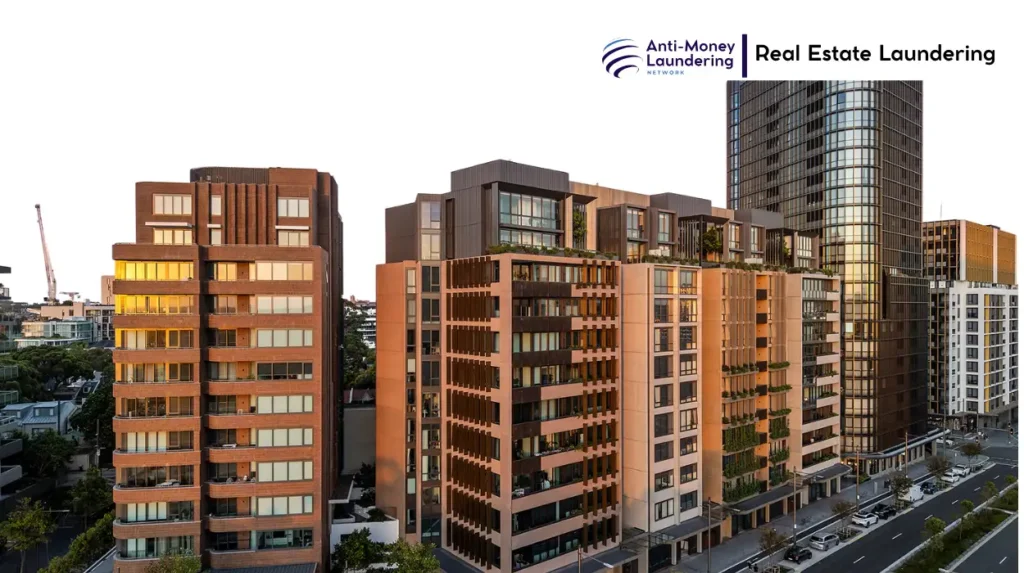
Mirvac Group Australia has established itself as a cornerstone of the nation’s real estate sector, driving innovation in property development and management across major cities. As a publicly listed entity on the Australian Securities Exchange under the ticker ASX:MGR, the company manages a diverse portfolio that includes commercial offices, luxury residential apartments, retail precincts, and industrial assets, with assets under management exceeding $26 billion as reported in recent financial statements.
Project Introduction (Formation & Background)
Mirvac Group history began in 1972, a pivotal year of establishment when entrepreneurs Bob Hamilton and Henry Pollack launched the company with a single residential project in Sydney’s affluent Rose Bay suburb. The initial venture, known as Montrose—a block of 12 upscale apartments—set the tone for what would become a Mirvac Group overview defined by quality craftsmanship and strategic urban positioning.
Drawing from Australia’s post-war housing demand, the founders capitalized on a market ripe for modern living spaces, quickly expanding their footprint with innovative designs that blended residential comfort with commercial viability.
The background of the founders reveals a blend of practical construction experience and sharp business foresight. Bob Hamilton, with his hands-on expertise in building projects, partnered with Henry Pollack, whose financial acumen helped navigate early capital raises. Their initial vision was straightforward yet ambitious: to create enduring urban communities that prioritized livability, sustainability, and long-term value.
This ethos propelled early successes like Castle Vale in 1976, a 161-apartment complex in Willoughby that introduced resort-style facilities such as pools and tennis courts to Sydney’s North Shore—features that were revolutionary at the time. By the late 1970s, Mirvac diversified into suburban house-and-land packages through Mirvac Homes, reducing exposure to the cyclical nature of high-rise developments and laying the groundwork for a resilient business model.
Over the decades, this foundation evolved through key milestones. The 1981 launch of The York, Sydney’s first new luxury high-rise in years, sold out in just four hours, underscoring the demand for premium properties. The company’s involvement in the 2000 Sydney Olympics, developing Newington as the world’s first solar-powered suburb, further cemented its reputation for forward-thinking projects.
By 1999, a merger between Mirvac Limited and a stapled group of property trusts transformed it into the diversified powerhouse seen today, balancing development with investment and property management.
Management and Project Head
At the helm of Mirvac Group management stands CEO Marnie Conway, who assumed leadership in 2020 with a mandate to steer the company through evolving market dynamics. Conway’s tenure has emphasized portfolio optimization, sustainability integration, and resilience in the face of economic headwinds like rising interest rates and office sector shifts. Reporting to her is a seasoned executive team, including key figures in finance, development, and operations, all aligned with the company’s strategic pillars of growth, returns, and responsibility.
The board of directors provides robust oversight, chaired by Annabelle Chaplain, a finance veteran with deep experience in capital markets. Other notable members include John Mulcahy, whose property sector insights have guided major acquisitions, and independent directors bringing expertise in governance and risk.
These leaders’ previous projects span iconic developments; for instance, Conway’s prior role at Lendlease involved delivering large-scale mixed-use precincts in Melbourne and Sydney, earning her acclaim for operational excellence. The board’s reputation is bolstered by strong financial links to institutional investors, including superannuation funds and global players, which underpin Mirvac’s capital structure and long-term stability as highlighted in investor relations updates.
This leadership cadre has navigated challenges adeptly, from the global financial crisis to the COVID-19 disruptions, maintaining a track record of delivering shareholder value. Their decisions on asset allocation—shifting toward industrial and build-to-rent segments—reflect a pragmatic approach to Mirvac Group financial performance, ensuring the company remains competitive in a high-stakes industry.
Controversies & Scandals
While Mirvac has built a solid reputation, it has not been immune to scrutiny. In 2015, the Trade Union Royal Commission examined allegations involving a former executive’s role in constructing a home for a union leader, raising questions about potential conflicts of interest. The executive denied prior knowledge of payment arrangements, and no formal charges were laid against the company, but the episode spotlighted governance in the construction sector.
Broader industry concerns have occasionally touched Mirvac, particularly around AUSTRAC reports on cash-heavy transactions in premium real estate. As a player in high-end commercial and residential sales, the company operates in a high-risk sector where real estate professionals must prioritize client verification and risk assessment.
Media and regulatory commentary has noted patterns in luxury pre-sales that could invite speculation on suspicious real estate deals, though Mirvac has consistently affirmed its commitment to AML compliance, including rigorous source of funds checks and beneficial ownership transparency protocols.
These incidents, while not resulting in direct penalties, underscore the challenges of operating in Australia’s property market, where opaque transaction layers can complicate oversight. Mirvac’s internal responses, such as enhanced fraud and bribery policies, demonstrate proactive measures to mitigate such risks.
Money Laundering Activities
Discussions around money laundering in real estate often highlight tactics like over or under-invoicing, fake buyers, and shell companies, with layering as a key stage involving multiple transactions to obscure origins. In the Australian context, Mirvac Group real estate transactions—particularly cash-intensive pre-sales—have drawn sector-wide attention from AUSTRAC, which flags high-value residential and commercial deals as potential vectors for illicit funds.
Mirvac addresses these risks through structured AML compliance frameworks, mandating client verification, source of funds documentation, and beneficial ownership transparency. Transaction patterns in its portfolio, such as the $1.8 billion in FY23 residential pre-sales, reflect robust demand but also align with patterns regulators monitor for layering via trusts or nominees.
No specific Mirvac Group suspicious real estate deal has been publicly confirmed, yet the company’s exposure to foreign capital inflows necessitates vigilant risk assessment.
Property acquisition strategies emphasize transparency, with annual reports detailing financing sources and investor profiles. This diligence helps counter perceptions of vulnerability in a market prone to offshore layering.
International Links & Benefited Countries
Mirvac’s global reach manifests through substantial foreign investment, with approximately 70% of its ownership held by international institutions from Asia-Pacific nations like China and Singapore, as well as Middle Eastern sovereign funds. These links fuel Mirvac Group property acquisition, supporting projects like Sydney’s Green Square and Melbourne’s Yarra’s Edge, where cross-border capital has accelerated development timelines.
Benefited countries gain from technology transfers in sustainable building and urban planning models. For instance, Asian investors channel funds into Mirvac Group office portfolio assets, fostering economic ties that extend Australian real estate expertise abroad. Offshore accounts and vehicles occasionally feature in funding structures, though regulated disclosures maintain oversight.
This interconnectedness enhances Mirvac Group revenue streams while exposing it to geopolitical shifts in investor sentiment.
Regulatory Actions & Legal Proceedings
Australian regulators like AUSTRAC and the AFP have intensified scrutiny on real estate, with operations such as Avarus-Midas in 2024 restraining over $150 million in Sydney properties linked to laundering networks. Mirvac, however, has faced no direct enforcement actions, fines, or court rulings. Its corporate governance—bolstered by audit, risk, and compliance committees—aligns with FATF recommendations, emphasizing AML compliance and real estate transaction monitoring.
Pending sector-wide reforms, including enhanced reporting for cash deals, position Mirvac favorably due to its established policies on client verification and risk assessment.
Public Impact & Market Reaction
Mirvac Group projects profoundly shape urban landscapes, from Mirvac Group Sydney developments revitalizing Barangaroo to Mirvac Group Melbourne apartments defining Southbank. These initiatives have driven property price appreciation, with landmark sales like Walsh Bay’s $400 million in a single day boosting local economies and creating thousands of jobs through Mirvac Group careers.
Public impact includes elevated market trust levels in premium segments, though debates persist on affordability amid high-end focus. Economic ripple effects—through property management fees and industrial assets—sustain growth, with retail precincts fostering community hubs. Investor confidence in ASX:MGR shares remains resilient, supported by steady distributions.
Today, Mirvac operates at full capacity from its Mirvac Group address at Level 28, 200 George Street, Sydney, with satellite offices in Melbourne, Brisbane, and Perth. FY25 results marked a turnaround, posting $126 million profit, $330 million cash inflows, and stabilized office occupancy at 97.1%, per the latest Mirvac Group annual report.
The Mirvac Group office portfolio and industrial assets show rental growth, while a $17 billion residential pipeline signals expansion. Future outlook is optimistic, with experts forecasting upside from build-to-rent demand and sustainability leadership—five Gold Star iCIRT ratings underscore Mirvac Group sustainability commitments.
Challenges like interest rate volatility loom, but strategic disposals of $1.4 billion in non-core assets position the company for agility. Mirvac Group financial statements project yields surpassing bonds, attracting long-term investors. As urban communities evolve, Mirvac’s blend of innovation and prudence ensures enduring relevance in Australia’s dynamic property market.