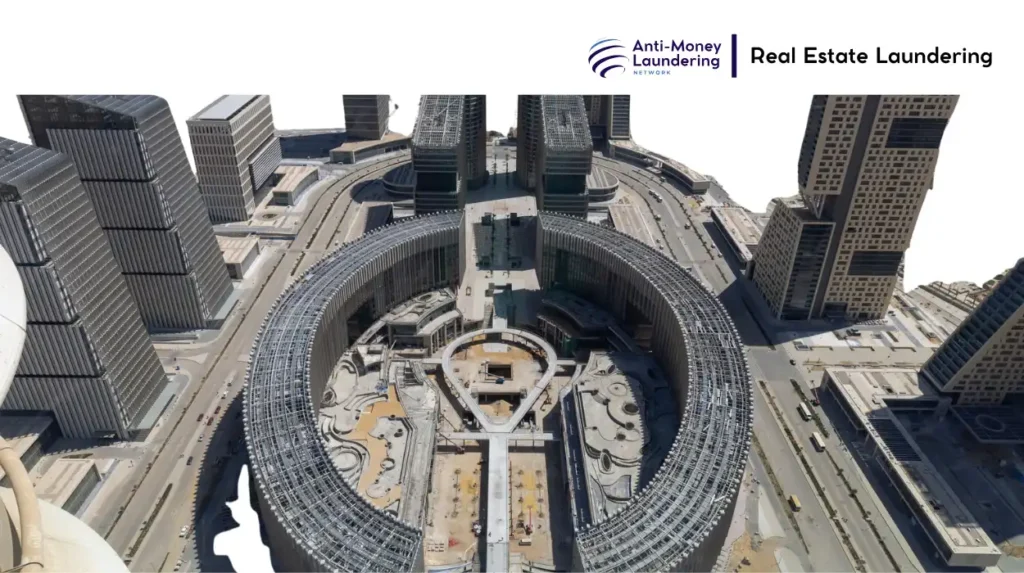
Egypt’s New Administrative Capital (NAC) represents one of the largest and most ambitious urban development projects in the Middle East and Africa. Officially announced in 2015, the project seeks to establish an entirely new capital city approximately 45 kilometers east of Cairo. Covering an expansive area of about 725 square kilometers, the NAC is envisioned as a smart city and regional administrative hub designed to relieve the chronic congestion and overpopulation challenges faced by Cairo.
The project is spearheaded by the Administrative Capital Company for Urban Development (ACUD), a joint stock entity formed in 2016 with capital investments exceeding 200 billion Egyptian pounds (approximately USD 6.6 billion). Key stakeholders in ACUD include the Ministry of Housing’s New Urban Communities Authority (NUCA) and Egypt’s Armed Forces. The conceptual masterplan was initially developed by the internationally recognized architectural firm Skidmore, Owings & Merrill (SOM), in collaboration with Egypt’s Ministry of Housing. The military engineering authority, alongside prominent construction giants like China State Construction Engineering Corporation (CSCEC) and Talaat Mustafa Group, handles the major development works.
The founders’ vision for the NAC is far-reaching: to create a sustainable, technologically advanced “Smart City of Tomorrow” that integrates residential, administrative, cultural, and commercial functions into a cohesive urban fabric. Central to this vision is the establishment of modern government ministries, a new parliament building, diplomatic quarters, schools, universities, hospitals, hotels, and recreational spaces such as the Green River Park, a 10-kilometer urban oasis central to the city’s environmental framework. The Iconic Tower, set to become the tallest building in Africa at 385 meters, symbolizes the city’s architectural ambition.
Key Persons and Management
The project is led and overseen by a management team within ACUD, supported by board members from the Ministry of Housing and other governmental stakeholders. The Armed Forces Engineering Authority plays a critical role in project implementation, lending expertise and overseeing construction. Previous projects led by these entities include large-scale urban developments across Egypt, often with substantial military involvement, bringing both strategic oversight and political influence to the NAC project.
International partners, primarily from China and multinational architectural firms, also contribute significantly to project design and infrastructure. The trusted association with reputable firms like SOM and Dar Al Handasah further solidifies the project’s importance at a national and regional level.
Controversies and Scandals
Despite its progressive image, the New Administrative Capital project has not been free from controversy. Allegations have occasionally surfaced related to project financing transparency and governance. Concerns voiced by some analysts and watchdog groups include potential irregularities in contract awards, opaque government dealings, and the possibility of money laundering through real estate and construction contracts.
Reports have indicated that some transactions might have involved over- or under-invoicing, layering through shell companies, and other tactics commonly associated with financial misconduct, although no conclusive legal action has been publicly confirmed. Given the project’s scale and value, it naturally attracts intense scrutiny over its financial framework and investment integrity.
Money Laundering and Financial Tactics
Investigations into large-scale urban developments globally often reveal the use of sophisticated financial strategies to mask illicit flows. The New Administrative Capital’s involvement in such activities is reported primarily through anonymous sources highlighting the use of shell companies and complex ownership structures to hide the true beneficiaries of property investments. Techniques such as over- and under-invoicing on construction contracts and fake buyers artificially inflating demand have been mentioned as possible tactics.
While these allegations exist in the public domain, regulatory authorities in Egypt have increased monitoring efforts to curb illicit financial flows. The project’s high-profile nature necessitates vigilance to ensure compliance with international anti-money laundering (AML) standards.
International Links and Benefited Countries
The NAC has attracted significant foreign investment, especially from Chinese construction firms like CSCEC, which is also deeply involved in Egypt’s broader Belt and Road Initiative infrastructure projects. Additionally, international architectural, engineering, and consultancy firms participate in planning and development, providing a cross-border flow of expertise and capital.
Benefiting countries include those with economic ties to Egypt through trade, investment, and diplomatic relations. The involvement of multinational corporations and state-linked entities from China suggests strategic international alliances benefiting the project financially and politically.
Regulatory Actions and Legal Proceedings
Authorities such as Egypt’s Financial Intelligence Unit (FIU) and international bodies including FATF continue to oversee compliance aspects concerning financial transactions related to real estate and urban development projects like the NAC. To date, although some audits and investigations have been reported in media, no major court rulings or ongoing high-profile legal proceedings against the project’s management have been confirmed publicly.
The Egyptian government remains committed to ensuring the project aligns with both domestic regulatory frameworks and international recommendations regarding transparency and anti-corruption.
Public Impact and Market Reaction
The New Administrative Capital has had a considerable impact on the Egyptian property market. It has generated interest among investors seeking opportunities in newly available residential and commercial real estate. The project includes various residential options, from affordable New Administrative Capital apartments to luxury housing, attracting a diverse population and pushing new development standards in Egypt.
However, skepticism exists among portions of the public and experts regarding the viability of relocating government operations and residents from Cairo. Property prices in the NAC have experienced fluctuations influenced by project milestones, announcements, and geopolitical factors. Despite this, the NAC’s progress has instilled cautious optimism for economic diversification and urban modernization.
As of 2025, the New Administrative Capital is partially operational with over a dozen ministries and government entities relocated there. Infrastructure such as roads, utilities, hospitals, universities, and hotels—including luxury establishments like the St. Regis New Administrative Capital—are under continuous development.
The completion date forecast remains dynamic; initial phases focus on essential administrative and residential sectors, with full city completion expected around the late 2020s. The project aims to accommodate a population exceeding 6 million, solidifying its role as Egypt’s administrative heart.