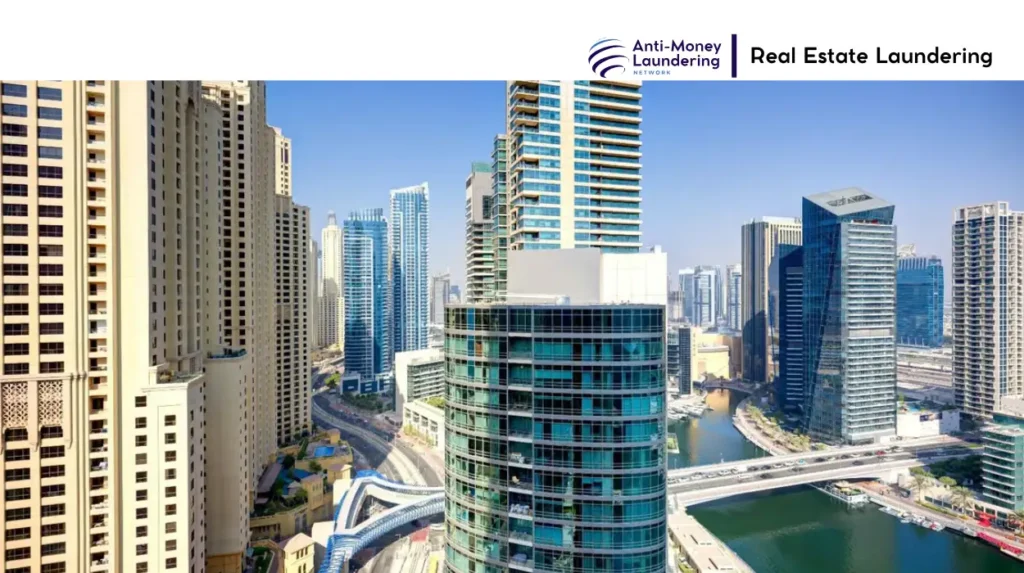
Paloma Tower is a prominent 39-story residential skyscraper located in Dubai Marina, one of the region’s most iconic waterfront communities. It is part of the Marina Promenade complex, consisting of six buildings, developed and launched by Emaar Properties in 2008. Emaar, Dubai’s leading real estate developer, designed Paloma Tower to offer luxury waterfront living with spacious apartments ranging from one to three bedrooms. The vision behind this project was to combine modern architecture, high-quality finishes, and a vibrant waterfront lifestyle to attract investors, families, and professionals. The building is renowned for its extensive amenities such as swimming pools, a health club, squash courts, a billiard room, and round-the-clock security, catering to a premium living experience.
Emaar Properties, the developer, has an established track record with landmark developments across Dubai, including the Burj Khalifa and Dubai Mall. The management team behind Paloma Tower includes experienced real estate professionals and board members with significant influence in Dubai’s property sector. Their reputation in delivering high-quality real estate projects is solid, backed by strong financial links and a global portfolio.
Controversies & Scandals
While Paloma Tower itself has not been directly implicated in public controversies, Dubai Marina and the broader UAE real estate sector have faced scrutiny for facilitating suspicious real estate deals. The UAE’s financial opacity and weak AML compliance enable risks like layering (a money laundering stage), client verification failures, and concealed beneficial ownership. The sector’s high-risk categorization stems from persistent reports of hidden money and black money intertwined with real estate transactions, including those in luxury developments like Paloma Tower. Investigative reports point to the use of shell companies and offshore accounts to obscure source of funds, though no direct documented allegations target Paloma Tower.
Money Laundering Activities
Money laundering tactics observed in Dubai Marina’s real estate market involve overvaluation and under-invoicing of units, multiple sales to layer illicit transactions, and the use of nominee owners or trusts to hide beneficial ownership. Suspicious real estate deals in this sector often exploit the lack of transparency and limited regulatory enforcement to wash dirty money through property acquisition. The layering stage is a common technique, where transactions are designed to create complex ownership chains, making it difficult for authorities to trace origins of funds. Client verification and risk assessment practices remain weak in many cases, highlighting systemic vulnerabilities in AML compliance.
International Links & Benefited Countries
Dubai Marina attracts significant foreign investment, with capital flowing from countries known for illicit financial flows seeking to legitimize assets. Offshore entities based in tax havens frequently appear in ownership structures, facilitating cross-border transactions that obscure real beneficial ownership. Although no specific country is directly linked to Paloma Tower, the UAE’s real estate market benefits indirectly from global investors who exploit arbitration gaps. Countries with opaque financial systems, lax regulatory controls, or endemic corruption often feed into these real estate transactions.
Regulatory Actions & Legal Proceedings
The UAE’s regulatory authorities, including the Financial Intelligence Unit (FIU) and compliance bodies aligned with FATF standards, have introduced some AML measures. Yet enforcement remains weak, limited, and largely reactive. There are no publicly known legal actions or court rulings specifically concerning Paloma Tower’s transactions or ownership. Broader international pressure urges the UAE to improve beneficial ownership transparency and implement stringent real estate AML protocols, but substantial gaps persist.
Public Impact & Market Reaction
Concerns about suspicious real estate deals and money laundering affect investor confidence across Dubai Marina. While property acquisition in developments like Paloma Tower remains popular, market trust is dampened by perceived regulatory weaknesses. Property prices have historically shown resilience due to high demand but face potential volatility linked to increased AML scrutiny. The general public and market professionals remain cautious, highlighting the need for stronger client verification and risk assessment by real estate professionals.
Paloma Tower remains an operational, fully completed residential complex, continuing to attract buyers and renters. However, without transparent ownership disclosure and improved AML compliance, it remains vulnerable within Dubai Marina’s high-risk sector. Expert analysis underscores the necessity for regulatory reforms to address layering risks, beneficial ownership transparency, and enhanced source of funds verification. The future of such luxury properties depends heavily on UAE’s progress in tackling financial opacity and political complicity in real estate laundering.