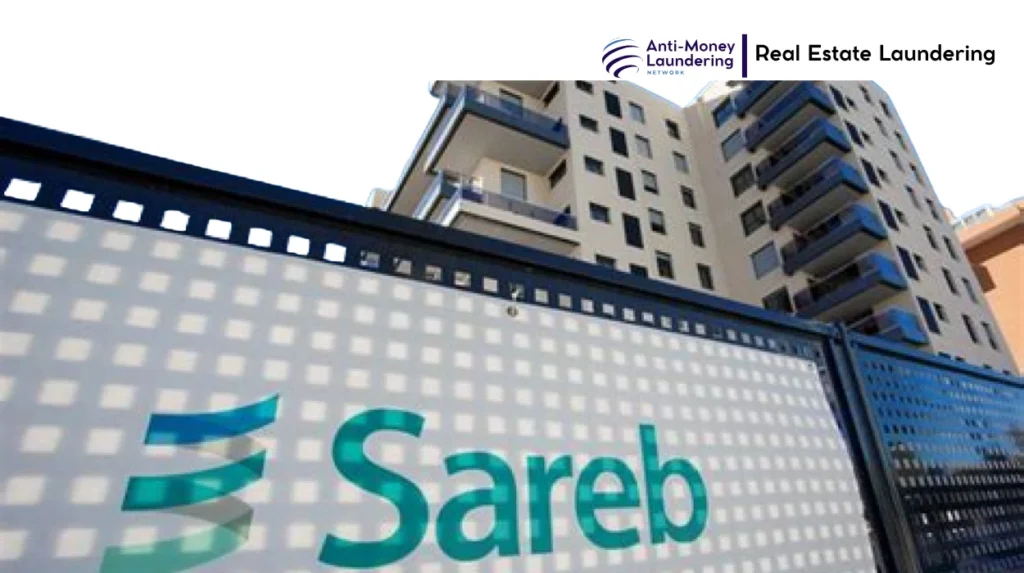
Sareb Spain represents a cornerstone of the country’s financial stabilization efforts following the global economic downturn. Known widely as the Sareb bad bank, this entity has played a central role in managing Sareb real estate assets that stemmed from the collapse of the property market. Its operations continue to influence Spain’s housing sector and broader economy, making it a subject of ongoing analysis for investors, policymakers, and researchers alike.
Project Introduction (Formation & Background)
The establishment of Sareb marked a decisive intervention by the Spanish government in response to a severe banking crisis. Sareb creation 2012 occurred amid intense pressure from international creditors, as Spain sought to cleanse its financial institutions of problematic exposures. On November 28, 2012, following the enactment of Royal Decree-Law 24/2012 on August 31 of that year, Sareb became fully operational.
This timing aligned closely with the terms of the Sareb EU bailout, a €100 billion assistance package from the European Stability Mechanism approved in December 2012. The primary mechanism involved transferring Sareb toxic loans and foreclosed properties from rescued banks, starting with high-profile cases like Bankia.
The backdrop to Sareb history lies in the Sareb origins 2008 crash, when Spain’s real estate bubble—fueled by easy credit and speculative development—burst spectacularly. By 2012, non-performing loans had ballooned to over €167 billion across the banking system, with real estate comprising the bulk. Sareb properties portfolio initially absorbed around €50-59 billion in assets, including approximately 50,000 residential units, vast land banks, and unfinished commercial projects.
This portfolio represented about 13% of Spain’s total non-performing exposures at the time. The government’s vision was to create a centralized vehicle for Sareb asset management, allowing banks to offload burdens and resume normal lending activities. Sareb restructuring banking became a key pillar of national recovery, supported by public guarantees on senior debt to attract private capital.
Funding for these acquisitions came through a hybrid model: 25% equity from participating banks and insurers, totaling €5.07 billion, and 75% subordinated debt. Institutions like Santander, BBVA, and Caixabank contributed significantly, while the Fund for Orderly Bank Restructuring (FROB) provided seed capital and oversight.
The initial vision emphasized a 15-year horizon for orderly liquidation, aiming to recover as much value as possible without taxpayer bailouts beyond guarantees. This approach drew inspiration from similar “bad banks” in Ireland (NAMA) and the U.S. (Resolution Trust Corporation), but adapted to Spain’s unique context of regional savings banks’ dominance.
Sareb Spain overview reveals an entity designed not as a traditional developer but as a professional asset manager. Its year of establishment, 2012, positioned it at the epicenter of efforts to address the Sareb housing crisis, where millions faced eviction and supply shortages.
By isolating Sareb distressed assets, the government hoped to stabilize property prices and restore market confidence. Sareb what is it, in essence? A state-orchestrated public-private partnership tasked with unwinding the excesses of a decade-long boom.
Management and Project Head
Leadership at Sareb has evolved with shifts in national priorities, reflecting its quasi-public status. The board of directors, appointed primarily by FROB and shareholder banks, includes executives with deep roots in Spanish finance. As of Sareb current status 2026, key figures such as the Sareb director and executive committee oversee daily operations from the Sareb address at Paseo de la Habana 18 in Madrid’s upscale Chamartín district.
Sareb management comprises around 200 professionals specializing in valuation, legal structuring, and sales strategy, with Sareb careers attracting talent from firms like Deloitte and KPMG.
Historically, inaugural leadership included bankers from rescued entities, such as former executives involved in the Sareb Bankia transfer—a €24 billion deal that formed the portfolio’s core. Reputations vary: some board members boast track records in successful restructurings, like those at CaixaBank’s prior vehicle, while others faced criticism for ties to failed savings banks.
Financial links extend to major shareholders; for instance, Santander once held a 20% stake, influencing investor relations. Sareb annual report and Sareb financial statements, published transparently on the Sareb office website, detail Sareb net worth (recently estimated at €15-20 billion post-depreciation), Sareb revenue from disposals (around €2-3 billion annually in peak years), and operational metrics. Notably, Sareb lacks public stock listings, operating as a sociedad anónima without investor-traded shares.
Sareb location in Madrid centralizes control over a nationwide footprint, from Andalusian coasts to Catalan urban centers. Sareb director roles rotate every few years, with current emphasis on digital transformation and sustainability in asset handling. Previous projects for these leaders often involve high-stakes rescues, such as Novacaixagalicia’s unwind, underscoring their expertise in distressed scenarios.
Controversies & Scandals
Sareb controversies overview encompasses debates on efficacy, valuation, and equity. Sareb transparency issues have drawn scrutiny, particularly around bulk auctions of Sareb luxury sales, where prime coastal villas fetched premiums despite market slumps. Sareb Spain scandal narratives peaked during Sareb losses 2022, when cumulative deficits hit €12 billion, prompting questions on initial pricing from banks. Specific incidents, like the Mijas Hacienda Riviera case, involved fraudulent rentals on Sareb properties, leading to over 20 legal complaints.
Sareb suspicious real estate deal probes often highlight opacity in Sareb property acquisition processes. Transfers from entities like Catalunya Banc raised flags for potential undervaluation benefiting insiders. While no high-level convictions exist, Sareb Spain economy effect includes public ire over taxpayer exposure via guarantees totaling €100 billion. Sareb portfolio size shrinkage—from €59 billion to under €20 billion—fuels arguments on whether sales truly maximized recovery or enabled quick flips.
Money Laundering Activities
Spain’s real estate sector, including Sareb, operates in a Sareb high-risk sector per global AML indices. Sareb AML compliance mandates include Sareb client verification and Sareb risk assessment protocols for buyers, enforced by on-site Sareb real estate professionals.
Yet, patterns suggest vulnerabilities: Sareb layering (money laundering stage) risks arise in chained transactions, where assets move rapidly through intermediaries. Sareb source of funds scrutiny is routine for high-value deals, but bulk portfolio sales to funds complicate beneficial ownership transparency.
Sareb real estate transaction volumes, exceeding 10,000 units yearly, include Sareb soured loans sale like the 2025 €1.5 billion Project Florencia. Tactics under watch involve nominee structures in Sareb property sales, potentially masking illicit origins from bubble-era lending.
While Sareb beneficial ownership transparency improves via EU directives, critics note gaps in tracing end-buyers, especially in luxury segments.
International Links & Benefited Countries
Sareb divestment strategy attracted global capital, with U.S. firms like Cerberus and HIG Capital acquiring multibillion portfolios. Sareb investment from the UK, Germany, and Middle East stabilized sales, indirectly benefiting those economies through returns. Sareb EU bailout linkages tied it to broader eurozone recovery, with ECB collateralizing Sareb bonds.
Offshore elements surface in Panama Papers, where Spanish developers’ shells funneled loans into what became Sareb assets, profiting havens like the British Virgin Islands.
Cross-border flows supported Sareb liquidation plan execution, with foreign buyers dominating 70% of high-end disposals. Countries like the U.S. gained from discounted entry into Europe’s recovering market.
Regulatory Actions & Legal Proceedings
European authorities mandated Sareb’s framework, with FROB enforcing asset transfers. Spanish regulators, via the Bank of Spain, oversee Sareb financial losses reporting. Legal actions include Sareb’s suits against originator banks for interest disputes and fraud recoveries. No FATF sanctions target Sareb directly, but Spain’s gray-list history amplified oversight. Court rulings favor operational continuity, with pending cases on valuation disputes into 2026.
Public Impact & Market Reaction
Sareb role in crisis alleviated bank pressures, injecting liquidity and moderating Sareb housing crisis effects. Sareb affordable housing initiatives post-Sareb government stake rise (FROB at 66% by 2024) allocated units for social rental, housing over 10,000 families.
Market trust rebounded, with property indices rising 50% since 2014, though Sareb public debt impact lingers at €60 billion in guarantees.
Investors profited from yields above 10% on subordinated debt, while public sentiment mixes gratitude for stabilization with frustration over losses.
Sareb FROB control solidifies under Sareb state ownership, driving Sareb social housing shift. Sareb current status 2026 shows active divestment, with Sareb property sales accelerating amid economic upturn. Expert analysis predicts mandate completion by 2027-2030, potentially breaking even if prices hold.
Possible merger into a sovereign fund or full privatization, balancing profit with policy goals. Sareb bad bank explained endures as a model for crisis resolution, its legacy shaping Spain’s financial resilience.