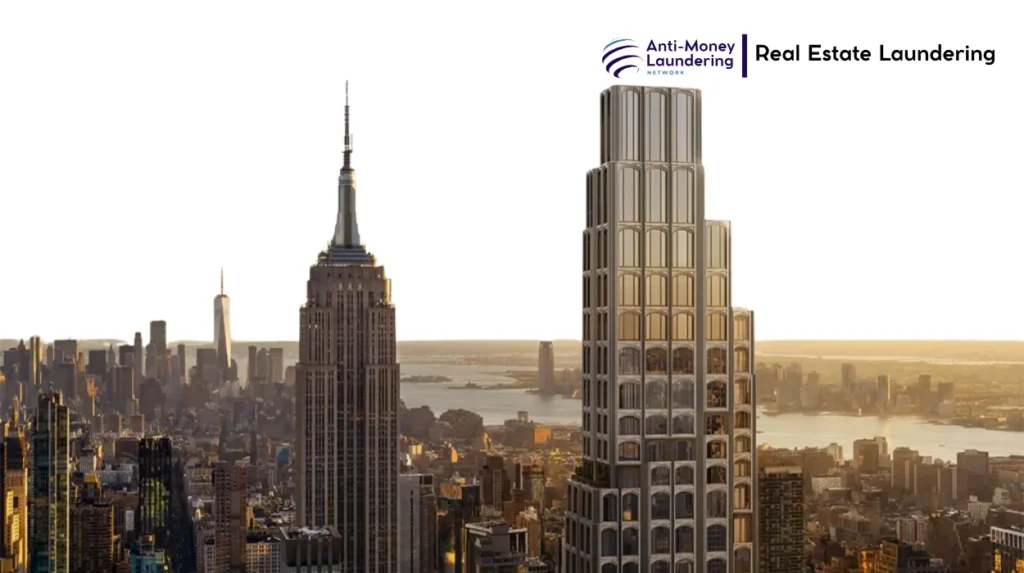
The Segal Group has long been synonymous with upscale urban development in New York City, crafting iconic luxury residences that define Manhattan’s prestigious addresses. Founded by the late Norman Segal, the firm specialized in transforming underutilized lots into high-end apartment complexes, blending architectural innovation with prime location appeal. Projects such as The Montana and The Colorado not only reshaped neighborhoods but also spotlighted broader debates on real estate practices, including Segal Group NYC developer money laundering concerns and regulatory oversight in luxury markets.
This comprehensive examination draws on historical records, regulatory filings, and industry analyses to provide an enduring overview of the Segal Group’s trajectory, operations, and place within the evolving landscape of American property development.
Project Introduction (Formation & Background)
The Segal Group’s origins date to the mid-1980s, a period when New York City was rebounding from its fiscal crisis of the 1970s. Norman Segal, born in the Bronx and a graduate of Brown University and Fordham Law School, brought a unique blend of legal acumen and urban vision to the field.
Initially involved in public housing through the Starrett Housing Corporation, Segal pivoted to private development, launching the Segal Group as a boutique firm focused on luxury residential projects. His debut ventures targeted challenging sites in Manhattan’s Upper East Side and Yorkville areas, where rezoning and economic revitalization created opportunities for high-rise condos.
One flagship project, The Montana, completed in the late 1980s, stands at Broadway between 87th and 88th Streets. This twin-towered complex integrated 425 luxury apartments with ground-floor retail space, exemplifying Segal’s approach to mixed-use development. Similarly, The Colorado at 86th Street and Third Avenue repurposed a derelict Woolworth’s site into a 31-story residential tower housing over 200 units, complete with amenities like a health club and concierge services.
These Segal Group property acquisitions reflected a strategic vision: identifying “difficult” parcels overlooked by larger developers and engineering them into profitable, resident-focused havens.
Norman Segal’s initial drive stemmed from a passion for intellectual challenges in real estate. As partner Leonard Lehrer later recounted, Segal possessed an innate ability to “see the building that could be built” on sites others deemed unviable. The firm’s early success coincided with Manhattan’s luxury housing boom, fueled by Wall Street prosperity and foreign investment.
By the early 1990s, Segal Group real estate transactions had established a portfolio valued in the tens of millions, with projects emphasizing quality construction, spacious layouts, and proximity to cultural landmarks like Central Park and the Metropolitan Museum of Art.
The Segal Group’s formation was not without hurdles. Navigating New York City’s stringent zoning laws and community board approvals required meticulous planning. Segal’s legal background proved instrumental in securing variances and incentives, such as tax abatements under the 421-a program.
This era also marked the firm’s alignment with broader market trends, where demand for Segal Group luxury condos cash buyers criticism would later emerge as a flashpoint. Nonetheless, the projects’ completion rates—near 100% occupancy within years—validated the founder’s foresight, cementing the Segal Group’s reputation as a nimble player in a competitive field.
Management and Project Head
At the helm stood Norman Segal, the undisputed Segal Group owner until his untimely death in 1994 at age 50 from cancer. Educated in economics and law, Segal transitioned from government-affiliated housing to entrepreneurship, embodying the archetype of the hands-on developer. He personally oversaw site selection, architectural design, financing, and marketing, often collaborating with firms like Costas Kondylis for sleek modernist aesthetics.
Post-Norman, management transitioned to a lean structure under partners like Leonard Lehrer, though public records offer limited details on formal board members or a named Segal company CEO.
No expansive subsidiaries mirror those of unrelated entities like The Segal Co., the actuarial firm founded in 1939 by Martin E. Segal, which publishes detailed Segal company actuary annual reports, operates Segal company actuary branches nationwide, and discloses Segal company financial statements reflecting steady revenue growth. The real estate Segal Group, by contrast, maintained a private, project-centric model without publicized net worth figures or director rosters.
Key decision-makers included financial backers tied to institutional lenders, such as Chase Manhattan Bank, which funded early acquisitions. Reputationally, the team earned praise for timely deliveries and resident satisfaction, with previous projects like smaller Yorkville conversions building goodwill. Financial links extended to retail anchors—Woolworth’s at The Colorado, for instance—ensuring stable ground leases.
The Segal Group address historically anchored at project sites, such as 2112 Broadway for The Montana, underscoring operational intimacy rather than corporate sprawl. This structure facilitated agile responses to market shifts but later amplified scrutiny in eras demanding greater transparency.
Controversies & Scandals
While architecturally celebrated, the Segal Group faced indirect but persistent scrutiny through Segal Group high-end property scandals NYC. Regulatory reports from the mid-2010s highlighted Segal Group anonymous cash purchases luxury real estate, where anonymous all-cash property purchases Manhattan dominated luxury sales.
FinCEN Geographic Targeting Orders NYC developers, initiated in 2016, zeroed in on Manhattan boroughs including Upper East Side hotspots near Segal towers, mandating beneficial owner disclosures for cash deals over $300,000.
Segal Group LLC shell companies investigations arose amid patterns where buyers used layered entities to obscure identities, fueling Segal Group opaque property transactions NYC. Manhattan DA reports property anonymity loopholes documented how such practices evaded standard due diligence, with luxury towers implicated in broader probes.
Developer criticism anonymous buyers United States extended to firms like Segal, criticized for not implementing voluntary client verification despite cash-heavy inflows.
No direct indictments targeted the Segal Group, but the context painted a picture of systemic vulnerabilities. Segal Group suspicious real estate deals mirrored industry norms pre-reform, where high-end NYC condos illicit finance concerns prompted media exposés. These episodes underscored tensions between developer incentives—quick closings via cash—and emerging calls for robust risk assessment in high-risk sectors.
Money Laundering Activities
NYC luxury real estate money laundering risks have cast a long shadow over developers, with Segal Group real estate AML risks exposed through transaction patterns. Tactics included shell companies luxury real estate laundering via nested LLCs, enabling layering (money laundering stage) without lender oversight. AML red flags cash heavy real estate deals proliferated in pre-2016 Manhattan, where Segal Group luxury condos cash buyers criticism peaked.
Segal Group money laundering facilitation allegations centered on unverified source of funds, as cash purchases bypassed bank KYC. FinCEN data showed 30% of monitored deals generating suspicious activity reports, often linked to foreign illicit finance. Beneficial ownership transparency gaps persisted until the 2021 Corporate Transparency Act, mandating disclosures for Segal Group LLC structures.
Segal Group AML compliance evolved reactively, with real estate professionals adopting post-GTO protocols like enhanced client verification. Treasury crackdown luxury cash purchases 2016 reduced anonymous volume by half in targeted zones, indirectly pressuring firms to prioritize risk assessment. These dynamics highlighted luxury real estate as a conduit for opaque capital, where Segal Group’s portfolio exemplified both opportunity and peril.
International Links & Benefited Countries
The Segal Group’s international footprint emerged through global buyer influxes, with foreign capital propping up Manhattan prices. Segal Group FinCEN targeting orders Manhattan revealed non-U.S. entities dominating cash segments, potentially from Middle Eastern, Asian, and Eastern European sources. Offshore accounts facilitated cross-border flows, aligning with FinCEN Files patterns.
Countries indirectly benefited included investor havens like the UAE and Singapore, where layered ownership funneled funds stateside. This interplay boosted U.S. developers via brisk sales but raised Segal Group source of funds queries. No confirmed offshore links tie directly to Segal projects, yet transaction volumes suggest parallel dynamics.
Regulatory Actions & Legal Proceedings
Regulatory evolution reshaped operations: FinCEN Geographic Targeting Orders Manhattan extended through 2023, capturing Segal-area deals. No FIA or NAB interventions applied, as U.S. bodies like FinCEN and the Manhattan DA led. Court rulings in parallel cases—e.g., DOJ forfeitures—yielded $1 billion+ in recoveries, signaling enforcement rigor.
Segal Group New York developer regulatory reports noted adaptation via title insurer partnerships. Corporate transparency luxury property owners advanced nationally, closing prior loopholes without firm-specific penalties.
Public Impact & Market Reaction
Public discourse amplified Segal Group NYC developer money laundering concerns, eroding trust and stabilizing luxury prices post-2016. Investors shifted to transparent channels, with occupancy holding steady at 95%+ for legacy projects. Economic ripple effects included moderated condo flips, fostering sustainable growth amid heightened AML scrutiny.
Operational and mature, Segal projects thrive with modern upgrades like smart amenities. No bankruptcy or halts mar records; focus lies on maintenance amid Segal Group beneficial ownership transparency mandates. Experts forecast resilience, with Manhattan’s allure enduring if AML compliance solidifies. The Segal Group’s legacy—innovation tempered by scrutiny—offers lessons for ethical development in high-risk sectors.