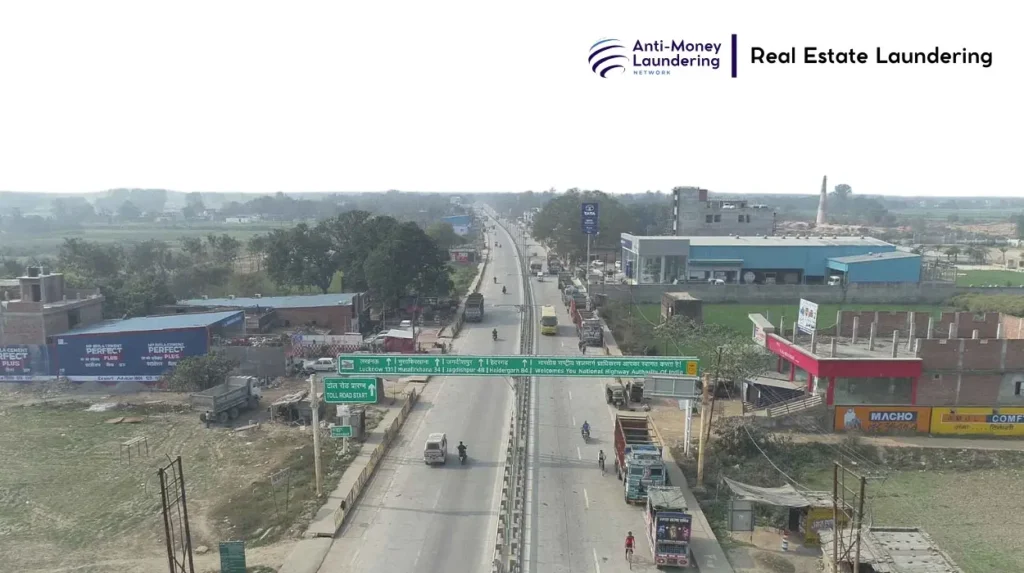
The Sultanpur Road Project, launched by M/s Rohtas Project Limited, stands as a significant township development initiative situated in Lucknow, the capital city of Uttar Pradesh, India. Located on the well-known Sultanpur Road, this project garnered considerable attention for its ambition to provide residential plots and township facilities adjacent to vital locations such as SMS Engineering College and Gomti Nagar. The development was introduced as part of Rohtas Group’s expansion, aiming to capitalize on the region’s prospective real estate growth and the promising economic vibrancy of Lucknow’s expanding urban landscape.
Founded by entrepreneurial developers with prior experience in regional construction projects, the Rohtas Group had initially earned some recognition through earlier projects like Rohtas Crescent. The group’s management structure included notable figures from their board and senior project heads, although specific names remain limited in available public disclosures. Their initial vision targeted providing affordable yet quality residential plots with a promise of possession within 24 to 30 months, complemented by amenities such as parks, gyms, clubhouses, and public transport access — features designed to meet the expectations of middle-class investors and homebuyers.
Key Management and Previous Endeavors
The project was helmed by experienced real estate developers associated with Rohtas Project Limited, which had launched several ventures across Lucknow before. These included plans such as Rohtas Presidential Tower and Rohtas Platina Homes, all contributing to their footprint in North India’s property market. Nevertheless, while the group initially enjoyed some local goodwill, management soon faced growing scrutiny. Regulatory authorities, including the Uttar Pradesh Real Estate Regulatory Authority (RERA) and Lucknow Development Authority (LDA), monitored the project closely due to delayed timelines and contractual defaults that affected thousands of buyers.
Controversies and Scandals: Unraveling Financial Misconduct
The Sultanpur Road Project’s progress encountered significant hurdles beginning in the mid-2010s. Investigations revealed that Rohtas Project Limited failed to honor commitments related to possession and financial returns promised to investors, leading to accusations of fraudulent conduct. Multiple police FIRs were filed, with allegations that the company diverted funds raised from the sale of plots to other unrelated entities—both inside and outside the Rohtas Group.
In October 2025, the Enforcement Directorate (ED) of India provisionally attached immovable assets linked to the project valued at over Rs 110 crore (market value exceeding Rs 300 crore). Their probe was triggered by 83 FIRs lodged against Rohtas Project Limited and its promoters, revealing a complex web of money laundering, fund diversion, and proxy ownership involving benami arrangements. The investigation highlighted that land parcels were acquired via associate companies and Limited Liability Partnerships (LLPs) such as Amalya Constructions LLP and Amyra Infrastructure LLP, controlled by the LJK Group, effectively masking the true ownership and creating significant opacity.
Money Laundering Techniques and Transaction Patterns
The Rohtas Group’s modus operandi reportedly relied on layering investor funds through multiple transaction layers, including undervalued sales and acquisitions involving shell and proxy companies. This stratagem convoluted asset ownership, deterring regulatory scrutiny. Fake buyers and nominee owners were suspected in helping launder proceeds by transacting lands under multiple names, inflating values illicitly, and transferring titles across entities.
Such methods are consistent with broader patterns observed in Indian real estate frauds, where overvaluation, under-invoicing, and structural complexity obscure illicit financial flows. Crucially, the ED’s actions identified land holdings exceeding 100 bighas obtained through investor money, potentially constituting proceeds of crime under the Prevention of Money Laundering Act (PMLA).
International Connections and Benefiting Jurisdictions
While no definitive public evidence links the Sultanpur Road Project to offshore shell companies or foreign jurisdictions directly, the laundering techniques used mirror those employed in cross-border real estate frauds. Offshore accounts and international structuring remain suspected but unconfirmed in this specific case.
Legal and Regulatory Responses
The regulatory ecosystem responded through multiple interventions. The Uttar Pradesh Real Estate Regulatory Authority canceled licenses of several Rohtas projects in July 2025 due to non-compliance and failure to deliver. The National Company Law Tribunal (NCLT) imposed moratoriums on Rohtas projects, appointing interim resolution professionals to protect buyer interests under the Indian Bankruptcy Code (IBC).
The Enforcement Directorate’s provisional attachment of assets under PMLA marks a significant legal milestone. These actions emphasize India’s gradual intensification of measures against money laundering in real estate, although enforcement remains inconsistent, and overall transparency in property laws presents ongoing challenges.
Public and Market Impact
The Sultanpur Road Project saga severely eroded investor trust in regional real estate markets. Thousands of buyers, many middle-income families, suffered losses as possession deadlines were repeatedly missed or abandoned altogether. Property prices in the affected areas experienced volatility, with broader caution emerging around investments in developments promising aggressive returns without solid regulatory oversight.
The Sultanpur Road Project remains non-operational and under investigation as of late 2025. Continued ED investigations and legal proceedings suggest protracted resolution timelines, including potential recovery or asset auction processes. Interim project completion attempts by other developers, such as Wing Constructions & Developers Pvt Ltd, have offered some hope of remedial action; however, market skepticism remains high.
The Sultanpur Road Project exemplifies complex real estate and financial irregularities prevalent in India’s fast-growing but opaque property sector. Situated on the strategically important Sultanpur Road, a location historically significant and marked by planned infrastructural developments, the project was undermined by weak regulatory enforcement and intricate laundering schemes. While regulatory and legal efforts are ongoing, this case underscores the urgent need for enhanced transparency, robust anti-money laundering frameworks, and accountable governance within Indian real estate markets.