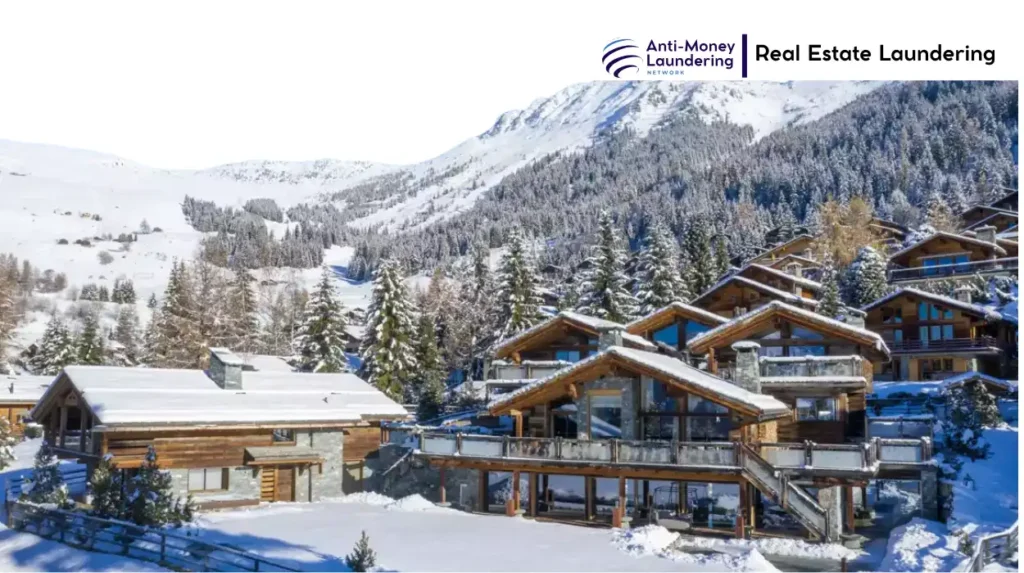
Swiss Alps Luxury Chalets represent a category of high-end residential properties in Switzerland’s Alpine regions, including areas like Grindelwald, Graubünden, and Valais Switzerland, where luxury ski chalet Switzerland developments have drawn international buyers since the late 20th century. These properties emerged prominently in the 2000s as part of a broader influx of foreign capital into Swiss real estate, fueled by the country’s reputation for stability and discretion.
While no single “Swiss Alps Luxury Chalets” entity exists as a unified project, the term encompasses aggregated holdings of luxury chalets and resort apartments, often built or acquired from the 1990s onward in Bernese Oberland and similar locales, with construction peaks aligning with global wealth migration post-2000 financial liberalization.
The background traces to Switzerland’s post-World War II real estate boom, where chalets evolved from modest farmhouses to opulent retreats, but modern luxury iterations gained traction through local developers and international investors. Founders and early developers were typically Swiss family firms or regional construction groups in places like Verbier and the Engadin, with visions centered on catering to ultra-wealthy tourists seeking exclusivity amid stunning alpine vistas.
By the 2010s, foreign ownership dominated, transforming these into assets for wealth preservation rather than mere vacation homes.
Management and Project Head
Management of individual Swiss Alps Luxury Chalets properties often falls to opaque foreign holding companies or local property firms, with no centralized board due to the decentralized nature of holdings. Key figures include sanctioned individuals like Petr Aven, a Russian oligarch and Alfa Group shareholder believed to control a luxury apartment in a Bernese Oberland golf resort, highlighting how decision-making bypasses transparent corporate governance.
Local real estate professionals in cantons like Bern and Graubünden handle day-to-day operations, but ultimate control resides with beneficial owners shielded by Swiss AG/GmbH structures.
Previous projects by linked entities mirror this pattern: Aven’s Alfa Group has ties to vast Russian financial networks, while other oligarchs like Andrei Klishas held lakeside villas before freezes. Reputations vary—Swiss developers maintain clean profiles, but foreign controllers face sanctions scrutiny, with financial links to private banks holding up to $213 billion in Russian assets pre-2022.
No public swiss alps luxury chalets annual report or financial statements exist for the aggregate, as ownership fragments across private entities, underscoring beneficial ownership transparency gaps.
Controversies & Scandals
Swiss Alps Luxury Chalets have surfaced in high-profile controversies tied to sanctions evasion and opaque acquisitions. In March 2022, Swiss authorities seized a mountain home in the Bernese Oberland believed owned by Petr Aven, marking an early clampdown post-Russia’s Ukraine invasion. Similar scandals involved Andrei Klishas’ villa freeze, revealing how properties served as havens for Kremlin-linked wealth amid Switzerland’s neutral stance.
Reports of hidden money persist, with NGOs like Public Eye criticizing real estate secrecy enabling black money parking. Pandora Papers and analogous leaks exposed offshore links, though specific Swiss chalet files remain limited due to fragmented registries. These cases spotlight swiss alps luxury chalets suspicious real estate deal patterns, where luxury overvaluation masked illicit inflows.
Money Laundering Activities
Laundering tactics in Swiss Alps Luxury Chalets center on layering via shell companies and offshore entities, with properties acquired through Cyprus or Caribbean vehicles obscuring source of funds. Transaction patterns show surges from 2000-2021, involving cash-heavy purchases or bank-financed deals from Swiss private accounts, often without robust client verification.
Overvaluation in exclusive resorts like Verbier integrates funds, while nominee owners—family or partners—add veils, as seen in parallel Austrian cases.
Swiss Alps Luxury Chalets layering (money laundering stage) exploits weak AML compliance in non-financial sectors, with real estate professionals historically exempt from stringent risk assessment. High-risk sector exposure stems from PEP influx, turning chalets into integration vehicles for embezzlement or corruption proceeds estimated in billions.
International Links & Benefited Countries
Russia and CIS states top beneficiaries, channeling funds via Swiss banks into chalets, with Cyprus and Caribbean offshore accounts facilitating flows. Cross-border transactions linked EU nations like Italy (Aven’s Sardinia assets) and Austria (similar villa schemes), while France saw comparable Alpine freezes. Switzerland profited economically, boosting Graubünden and Valais property markets, but faced global backlash for enabling sanctions circumvention.
Foreign investments swelled swiss alps luxury chalets net worth collectively into billions, with indirect gains for developers in high-demand resorts.
Regulatory Actions & Legal Proceedings
Post-2022, Switzerland aligned with EU sanctions, freezing $6.2-7.5 billion in assets, including specific Swiss Alps Luxury Chalets properties. FATF critiques prompted AML reforms, extending due diligence to intermediaries, though parliamentary blocks delayed transparency laws. No FIA or NAB actions apply, as these are non-Pakistani, but U.S. hearings probed “Russia’s Alpine Assets.”
Pending cases involve ongoing freezes, with courts upholding seizures like Aven’s amid ownership disputes.
Public Impact & Market Reaction
Investors faced asset immobilizations, eroding trust in Swiss neutrality and prompting Russian buyer exodus from Alpine resorts. Property prices dipped temporarily in 2022, but luxury segments rebounded, highlighting market resilience despite scandals. Public reaction mixed—local activists decried opacity, while tourism sustained economic effects in Grindelwald and Verbier.
Broader impacts include heightened global scrutiny on Swiss Alps Luxury Chalets real estate transaction due diligence.
Properties remain operational where unsanctioned, but high-risk holdings face freezes; many are complete since the 2000s-2010s. Reforms promise better Swiss Alps Luxury Chalets property acquisition oversight, yet enforcement lags. Experts predict tighter beneficial ownership transparency by 2026, potentially curbing appeal but sustaining elite demand. Future outlook: moderated growth amid AML pressures, with careers and jobs in management shifting toward compliance roles.