

Offshore finance thrives in tax havens like Malta, where companies can register with minimal disclosure, shielding owners’ identities through nominees or trusts. These jurisdictions offer low or zero taxes, lax regulations, and secrecy laws that obscure beneficial ownership, enabling asset parking, tax avoidance, and sometimes evasion. Politicians and executives exploit this system to amass hidden wealth, evading public scrutiny.
Prigodsky’s Path from Parliament to Malta’s Registry
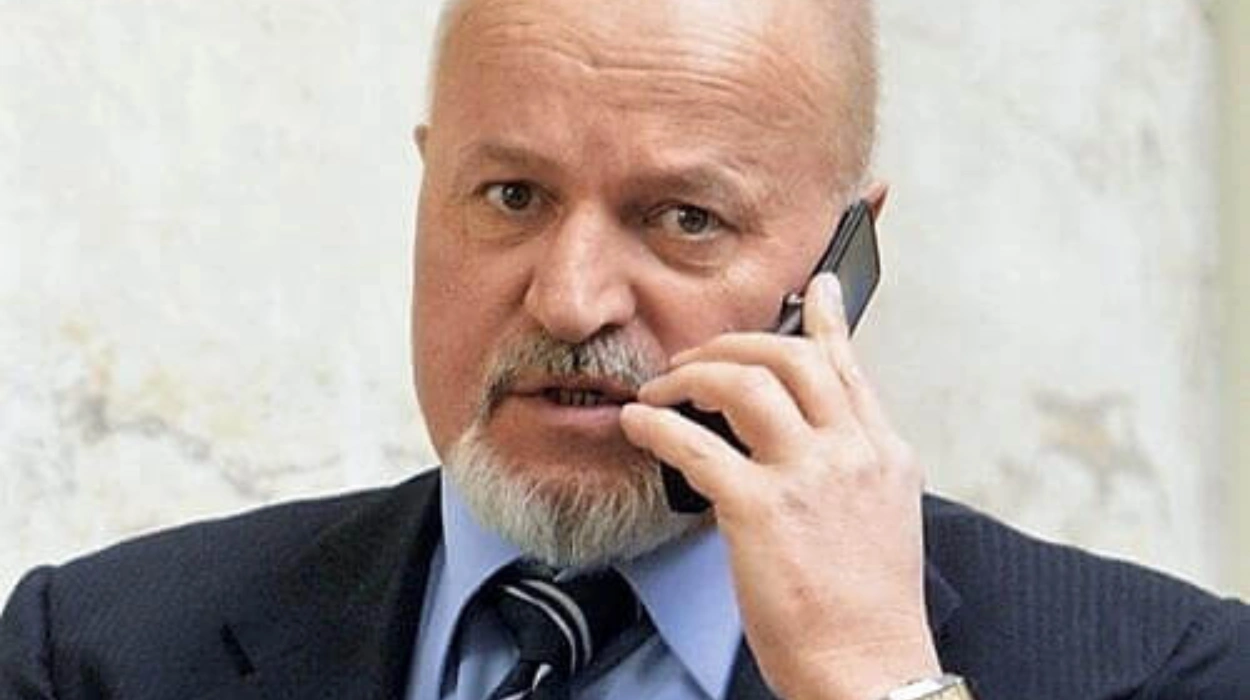
Anton Prigodsky, a former Ukrainian member of parliament from 2006 to 2014, exemplifies how political insiders leverage offshore structures. Serving on the Parliamentary Committee on Transport and Communications, he transitioned from directing Embrol Ukraine Ltd. a firm in coal, coke, and rail transport to offshore ownership. Ukrainian media link him closely to ex-President Viktor Yanukovych, raising questions about influence peddling.
Critically, Prigodsky’s parliamentary tenure coincided with Ukraine’s turbulent politics, yet his offshore moves suggest a prioritization of personal gain over public duty. He holds sole shareholder status in TUC Ltd., a Malta-registered entity formed in 2013 for shipping, including vessel acquisition. By late 2014, TUC’s assets hit $6.6 million primarily a vessel under construction while reporting a $25,100 loss that wiped out 2014 income taxes. In 2015, TUC leased the 120-foot Dutch-built yacht Santa Maria T to an unnamed party, per financial filings.
Prigodsky also joined as shareholder in Ala Int. Ltd. that year, a 2011 Malta incorporation spanning agriculture, property, and intellectual property. His silence to ICIJ partner Slidstvo.Info underscores a pattern: elites dodging accountability. This isn’t isolated opportunism; it’s a calculated use of secrecy to insulate wealth from Ukraine’s economic volatility and oversight.
Offshore Havens: Fuel for Global Inequality
Malta, an EU member, hosts over 20,000 offshore firms despite its size, per ICIJ data. The International Consortium of Investigative Journalists’ Offshore Leaks database unmasks over 800,000 entities tied to power players worldwide, with politicians comprising 10-15% in regions like Eastern Europe. Prigodsky’s case fits this: a public servant pivoting to anonymous holdings amid national crises.
The IMF estimates tax havens drain $500-600 billion annually from global revenues, equivalent to 1.2% of world GDP. World Bank reports highlight how this starves developing economies Ukraine lost $11.5 billion to illicit flows from 2004-2013, per Global Financial Integrity. Critically, Prigodsky’s tax-free loss in TUC Ltd. exemplifies “profit shifting,” where losses are booked in high-tax nations while profits hide offshore, eroding trust in leaders like him who shaped transport policy potentially benefiting their ventures.
Power, Proximity, and the Yanukovych Nexus
Prigodsky’s friendship with Yanukovych, ousted in 2014 amid Euromaidan protests, amplifies scrutiny. Yanukovych’s regime faced corruption allegations, with Panama Papers later revealing his inner circle’s offshore webs. Prigodsky’s TUC timing registered post-2010 elections suggests preemptive wealth protection as Ukraine grappled with oligarch influence.
Analytically, this reflects “state capture”: politicians embedding personal networks in opaque finance. Tax Justice Network data shows 60% of offshore leaks involve politically exposed persons (PEPs), with Eastern Europe’s PEP share doubling since 2000. Prigodsky’s yacht lease and multi-sector holdings via Ala Int. hint at diversified secrecy, shielding assets from asset freezes or probes. His non-response to journalists signals disdain for accountability, prioritizing elite insulation over democratic norms.
Statistics Paint a Broader Elite Portrait
ICIJ’s Power Players list ties thousands like Prigodsky to havens. Globally, 112,000 entities link to PEPs; in Europe alone, Malta and Cyprus host 15% of them. IMF models project offshore secrecy costs low-income countries 2-3% of GDP yearly in lost taxes and aid inefficiencies.
Consider these figures:
| Metric | Statistic | Source |
|---|---|---|
| Global illicit flows (2004-2013) | $7.8 trillion | Global Financial Integrity |
| Tax haven revenue loss | $200-427B/year (corporates) | IMF |
| Offshore firms with PEP ties | 10-15% in E. Europe | ICIJ Offshore Leaks |
| Ukraine’s annual tax gap | 5-7% of GDP | World Bank |
| Malta offshore companies | 25,000+ | Malta Business Registry (via ICIJ) |
Prigodsky’s $6.6M in assets dwarfs typical Ukrainian MP disclosures, critically underscoring hypocrisy: a transport committee member with shipping interests, losses erasing taxes amid national poverty.
Cracks in the Secrecy Fortress
Reforms nibble at edges. The EU’s 5th Anti-Money Laundering Directive mandates public beneficial ownership registers, pressuring Malta post-Panama Papers. Yet gaps persist: trusts remain opaque, and enforcement lags. World Bank’s Stolen Asset Recovery Initiative recovered $4 billion since 2007, but elites like Prigodsky evade via layered entities.
Critically, Prigodsky’s profile reveals reform shortfalls. Malta’s “golden passports” scheme, shuttered in 2020 amid scandal, once fast-tracked secrecy for investors. Watchdogs like Transparency International score Ukraine 32/100 on corruption (2023 CPI), with offshore leaks fueling oligarch resurgence. His case demands scrutiny: did parliamentary access inform offshore strategies?
Beyond One Man’s Ledger: Global Secrecy’s Enduring Grip
Prigodsky’s offshore footprint from coal baron to yacht-leasing shareholder mirrors a systemic flaw. It represents how secrecy empowers the powerful, decoupling wealth from accountability. In Ukraine’s post-Soviet flux, such ties perpetuate inequality, siphoning resources needed for infrastructure he once oversaw.
ICIJ data shows 80% of leaked PEPs face no charges, per follow-up audits. IMF warns unaddressed havens risk financial instability, echoing 2008 crises fueled by shadow banking. Prigodsky embodies this: a Yanukovych ally whose silence and structures evade justice, highlighting the need for global registers and PEP bans.
Ultimately, his case spotlights urgency. Without dismantling secrecy’s veil via OECD common reporting or whistleblower shields public trust erodes. Offshore finance isn’t neutral; it tilts scales toward insiders like Prigodsky, demanding vigilant exposure to reclaim accountability.