

Offshore finance operates through tax havens like Panama and the British Virgin Islands, where firms such as Mossack Fonseca create shell companies with nominee directors to conceal true owners. These structures enable tax avoidance by shifting profits to low-tax zones, obscuring asset trails via layered entities, and shielding wealth from creditors or regulators. Politicians exploit them to blend public influence with private gain, often at the expense of national treasuries.
From Baathist Roots to Panama’s Shelters
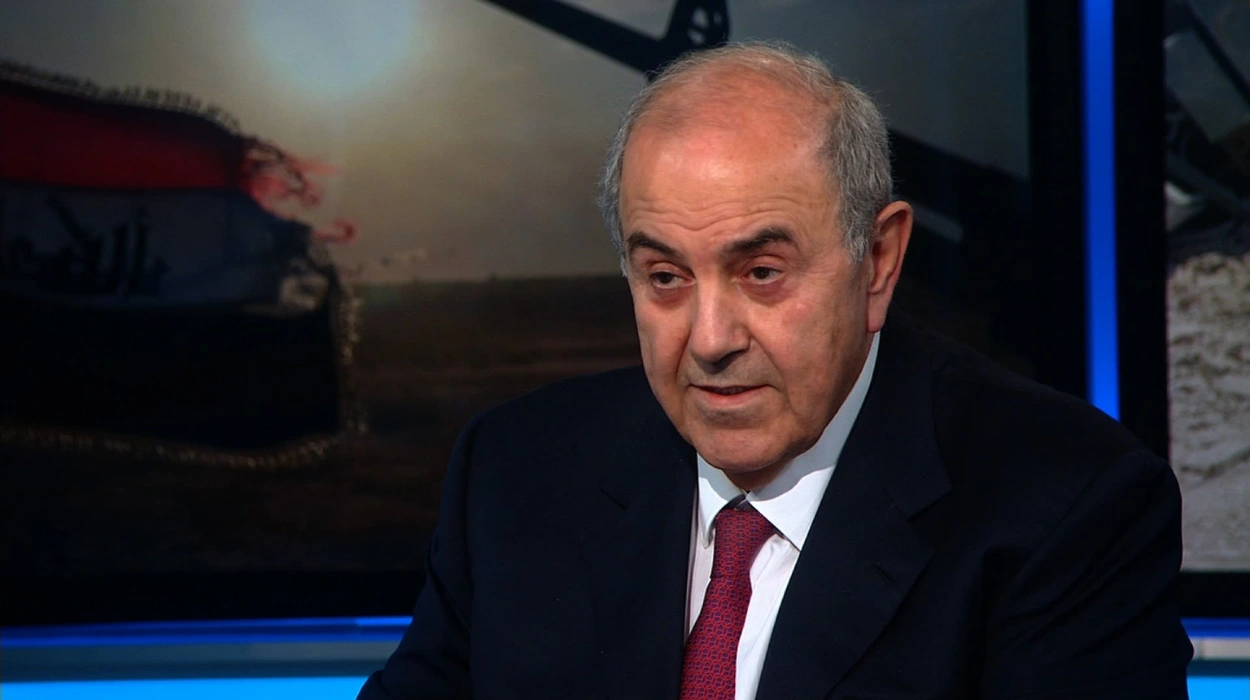
Ayad Allawi, Iraq’s interim prime minister in 2004 and later vice president until 2015, navigated from Baath Party membership to Western exile, building ties with CIA and MI6 while opposing Saddam Hussein. His political ascent post-2003 invasion positioned him at Iraq’s reconstruction helm, yet ICIJ Offshore Leaks reveal parallel offshore dealings. Critically, Allawi’s use of secrecy during this era questions his commitment to transparency in a war-torn nation desperate for accountable leadership.
Allawi served as sole shareholder of I.M.F. Holdings Inc., Panama-registered in 1985 via Mossack Fonseca, which supplied stand-in directors until its 2013 dissolution. This entity owned a Kingston upon Thames house valued at $1.5 million by April 2013. Moonlight Estates Limited, British Virgin Islands-based, held another London property, with funds listed as personal savings; Allawi became CEO in 2009. Foxwood Estates Limited, formed in 2005 shortly after his premiership, rounded out his confirmed holdings, per his media office.
His office acknowledged sole directorship, claiming setups followed a 1978 assassination attempt for security and legal reasons, with UK taxes paid. Yet this defense rings hollow critically: why maintain nominee directors decades later, post-exile? As a leader decrying Iraq’s “big whales above accountability” in 2014 interviews, Allawi’s hidden properties—amid Iraq’s displacement of millions and reconstruction needs—highlight selective ethics.
Tax Havens’ Grip on Fragile Economies
ICIJ’s Power Players database links over 800,000 offshore entities to global elites, with politicians like Allawi comprising a significant share in conflict zones. Panama Papers exposed 140+ politicians across 50 countries using 21 havens. The IMF pegs annual global tax losses at $500-600 billion, or 1-2% of GDP, disproportionately hitting developing states like Iraq.
World Bank data shows illicit financial flows siphoned $1.3 trillion from MENA regions (2004-2013), per Global Financial Integrity. Allawi’s London assets, valued over $3 million combined, exemplify “elite capture”: leaders parking wealth abroad while domestic infrastructure crumbles. Critically, his companies’ real estate focus—untaxed in origin jurisdictions—mirrors patterns where PEPs avoid disclosure, eroding public funds for services.
| Offshore Metric | Global/Iraq Impact | Source Insight |
|---|---|---|
| Annual tax drain | $200-427B (corporates) | IMF estimates |
| PEP-linked entities | 112,000 worldwide | ICIJ Power Players |
| MENA illicit outflows | $1.3T (2004-2013) | World Bank/GFI |
| Iraq reconstruction cost | $100B+ unmet needs | Post-2003 audits |
| Allawi properties value | ~$3M (2013) | Panama filings |
These figures underscore how Allawi’s secrecy, even if “legal,” starves nations: Iraq’s oil revenues, meant for rebuilding, face similar elite diversions.
Intelligence Ties and Strategic Opacity
Allawi’s pre-2004 London exile intertwined business with spycraft, surviving a Hussein-linked assassination. Post-invasion, his premiership oversaw contracts ripe for insider deals, yet offshore firms like Moonlight—registered months into his term—suggest pre-planned asset protection. Tax Justice Network reports 60% of leaks involve PEPs, with Middle East figures doubling since 2000.
Critically, nominee directors in I.M.F. shielded Allawi during his vice presidency (2014-2015), when Iraq battled ISIS. His office’s tax compliance claim dodges beneficial ownership opacity, a hallmark of havens enabling money laundering probes evasion. Watchdogs like Transparency International note Iraq’s 2023 CPI score of 23/100, where offshore webs perpetuate corruption cycles Allawi publicly lamented but privately navigated.
Family Echoes in the Offshore Web
Panama Papers extend to Allawi’s kin: brother Sabah managed Trans Iraq Bank, seized in 2012 for violations, and partnered Lebanese firms tied to Hezbollah-linked banks. Sabah chaired offshore entities like International Projects Development Company-Iraq with Kebbeh Group affiliates. Nieces Sara and Maya featured in UK firms like Blue Horizon Enterprises.
Analytically, this network—real estate, banking, trading—hints at dynastic secrecy. Allawi’s companies posed as foreign for potential tenders or asset freezes evasion, per ICIJ analyses. Critically, as a secular Shiite decrying corruption, Allawi’s familial offshore sprawl undermines his anti-Saddam credentials, blending privilege with opacity in Iraq’s sectarian strife.
Reform Fault Lines Amid Persistent Shadows
Global pushes like OECD’s Common Reporting Standard and EU beneficial ownership registers chip at havens, post-Panama. Yet trusts and nominees persist; World Bank’s Stolen Asset Recovery Initiative reclaimed $4 billion since 2007, a fraction of losses. Malta and Panama reforms followed leaks, but enforcement lags in Iraq-like fragility.
Allawi’s case exposes gaps: security pretexts mask enduring secrecy. IMF warns unchecked havens fuel instability, as in 2008’s shadow banking crash. His non-denial of nominee use, despite directorship claims, fuels skepticism—why opacity if taxes paid?
The Broader Indictment of Elite Secrecy
Allawi’s offshore ledger from 1985 Panama shell to post-premiership BVI holdings embodies global financial secrecy’s core flaw: empowering the few at the many’s expense. In Iraq’s tragedy millions displaced, trillions in flows lost his London havens represent insulated elites decrying systemic rot while embodying it. ICIJ reveals 80% of such PEPs face no repercussions, per audits.
This pattern risks democratic erosion: leaders like Allawi, with intelligence pedigrees and political clout, normalize secrecy, tilting scales against accountability. Ultimately, his trajectory from Baath defector to haven beneficiary demands robust registers, PEP restrictions, and whistleblower safeguards. Without them, offshore finance remains a power broker’s fortress, perpetuating inequality in vulnerable states.