

Offshore finance thrives in tax havens jurisdictions like the British Virgin Islands (BVI) or Singapore that offer anonymity through shell companies, trusts, and lax reporting rules. These setups allow assets to be hidden from public scrutiny, often shielding wealth from taxes, creditors, or investigations with minimal oversight. Politicians and elites exploit them to amass undeclared fortunes, fueling inequality while public services starve.
The Pandora Papers Spotlight: A Dynasty’s Offshore Gambit
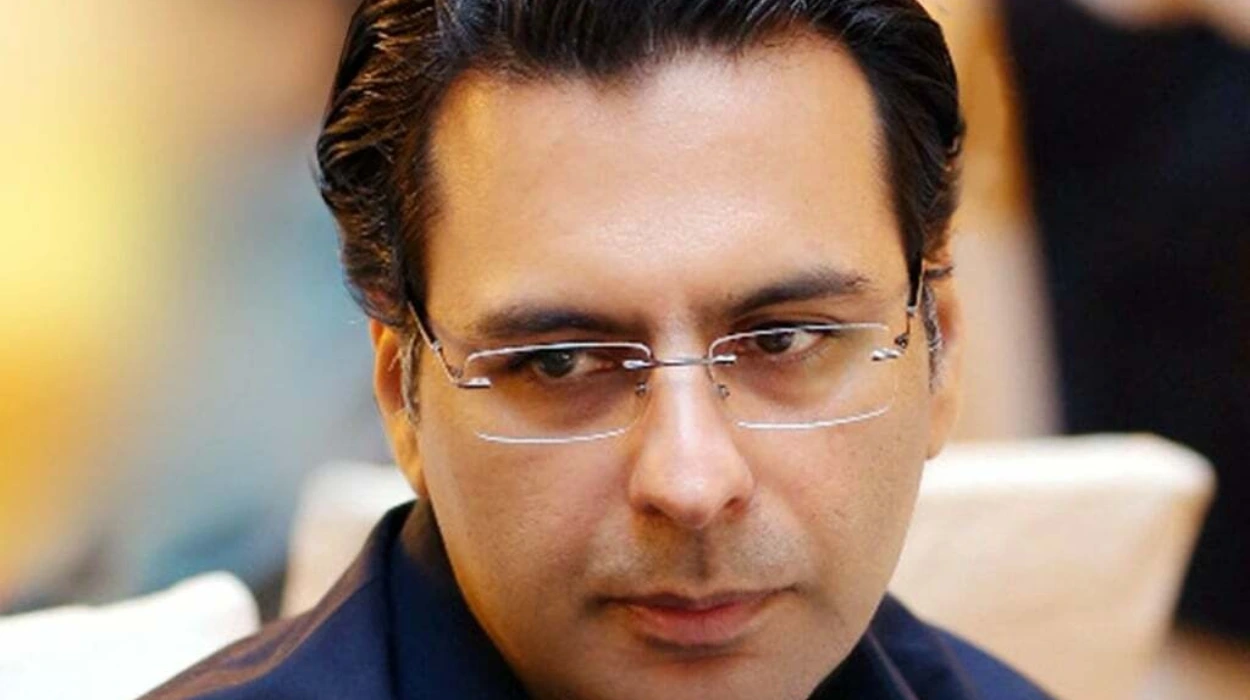
The International Consortium of Investigative Journalists (ICIJ) Pandora Papers exposed over 336 politicians and public officials worldwide linked to 11.9 million confidential files from offshore providers. Among them, Pakistan’s Moonis Elahi a scion of the influential Elahi political dynasty stands out for his maneuvers to park wealth beyond reach.
Elahi, whose family controls textile and sugar empires alongside political clout (his father, Chaudhry Pervaiz Elahi, founded PML-Q and held top posts like Punjab chief minister), sought Asiaciti Trust’s services in 2016. Leaked records show he aimed to funnel $5.6 million tied to an alleged loan scandal into a trust. When Asiaciti flagged mandatory reporting to Pakistani tax authorities, Elahi expressed “concerns,” terminated the deal, and pivoted to a U.K.-registered trust in his wife’s name. As a U.K. tax resident, she evaded Pakistan’s disclosure rules, a classic secrecy play.
This wasn’t Elahi’s first brush: ICIJ’s 2013 Offshore Leaks revealed a BVI company tied to him, which he distanced himself from without clarifying past control. Family spokespeople dismissed Pandora findings as “political victimization,” insisting assets are declared per law. Yet, Elahi’s non-response to ICIJ queries and history of scandals allegations of fund misuse, bribery, and more, though unconvicted raise red flags. Critics argue such denials mask a pattern: dynastic wealth funneled offshore, evading scrutiny in a nation where public officials must disclose assets.
Global Scale of Elite Offshore Hoarding
Elahi’s case mirrors a pandemic of secrecy. The Pandora Papers linked leaders from 35 countries to over $32 trillion in offshore holdings, per ICIJ analysis. Tax havens host 8-10% of global GDP, per IMF estimates, with $8.7-10 trillion parked illicitly as of 2020—enough to fund worldwide education or healthcare gaps.
In developing nations like Pakistan, the drain is acute. The World Bank pegs annual illicit outflows at $88.6 billion from low-income countries, exacerbating poverty: Pakistan’s tax-to-GDP ratio languishes at 10.5% (2022 World Bank data), versus 34% OECD average. Watchdogs like Tax Justice Network report elites siphon $427 billion yearly via havens, widening inequality—Pakistan’s top 1% holds 9% of income, per World Inequality Database.
Power players thrive here. Over 100 billionaires, 35,000 shell firms, and countless trusts anonymize ownership. IMF studies show havens distort economies, inflating property bubbles (e.g., 40% of London luxury homes offshore-owned) and starving public coffers.
Mechanics of Offshore Evasion: Trusts and Shell Games
Offshore systems operate via layered anonymity. A shell company in BVI costs $1,500 to set up, registers in hours, and requires no beneficial owner disclosure. Trusts add veils: assets transfer to a trustee, removing them from the settlor’s estate while retaining control.
Elahi’s switch to a U.K. trust exemplifies this. Singapore’s Asiaciti, serving 50+ countries, warned of Common Reporting Standard (CRS) compliance—global rules mandating bank data swaps since 2017. By rerouting to his wife’s U.K. entity, Elahi sidestepped Pakistan’s scrutiny, as U.K. residents face lighter non-resident disclosure. ICIJ data shows 25% of Pandora politicians used family proxies similarly.
Such tactics link to corruption: Transparency International’s 2023 Corruption Perceptions Index ranks Pakistan 133/180, with offshore leaks fueling 20% of graft cases. World Bank reports $1.26 trillion in annual global corruption losses, much laundered offshore.
Pakistan’s Accountability Void Amid Dynastic Power
Pakistan’s elite capture amplifies risks. With 22 dynasties dominating 40% of National Assembly seats (per PILDAT), families like Elahi’s blend business, politics, and secrecy. Their sugar cartel controls 50% of output, per industry data, often via subsidies amid water crises—Elahi’s ministerial portfolio ironically oversaw resources depleted by such interests.
Offshore ties erode trust. A 2021 Gallup Pakistan poll found 82% view corruption as rampant; Pandora revelations intensified calls for probes, though few yield convictions. Elahi’s unproven scandals—e.g., a NAB reference for Rs. 6 billion embezzlement—highlight weak enforcement. FATF greylisting (2008-2010, 2018-2022) pressured reforms, yet loopholes persist.
Globally, parallels abound: Jordan’s King, Czech PM, and Kenyan president featured in Pandora, showing secrecy transcends borders.
Cracks in the Secrecy Fortress: Reforms and Pushback
Progress chips away. Post-Panama Papers (2016), 100+ countries joined CRS, recovering $1.36 billion in taxes by 2018 (OECD). IMF-backed automatic info exchange nabbed $11.4 billion more. Public registries like BVI’s (since 2023) expose 70% more owners.
Yet gaps remain: trusts often exempt, per Tax Justice Network. Pakistan’s 2021 asset declaration laws falter without offshore audits. Watchdogs urge beneficial ownership mandates—EU’s 6AMLD (2020) criminalizes enablers, fining up to €5 million.
Civil society drives change: ICIJ’s leaks sparked 1,000+ probes worldwide.
The Broader Shadow: Wealth, Power, and Eroded Democracies
Moonis Elahi’s offshore pivot from $5.6 million trust dodge to spousal proxy embodies a systemic malaise. It spotlights how secrecy jurisdictions empower dynasties, hollowing public accountability in fragile democracies. Pakistan loses billions yearly to such drains, per State Bank estimates, mirroring global $600 billion tax abuse (IMF).
This isn’t isolated: Pandora’s 14,000+ elite clients reveal a parallel economy where power begets untouchable wealth. Without robust reforms full transparency, trust crackdowns, elite prosecutions havens perpetuate inequality, undermine governance, and mock the rule of law. Elahi’s saga warns: secrecy isn’t neutral; it tilts scales against the public, demanding vigilance to reclaim accountability.