

Tax havens operate as low- or no-tax jurisdictions like the Bahamas, British Virgin Islands (BVI), and Belize, where shell companies, trusts, and nominees conceal true owners from regulators and taxes. These structures enable rapid asset transfers, anonymous banking, and legal opacity, often routing funds through multiple layers. Legitimate for privacy, they frequently mask illicit flows, as leaks like the Pandora Papers 11.9 million files from 14 firms demonstrate.
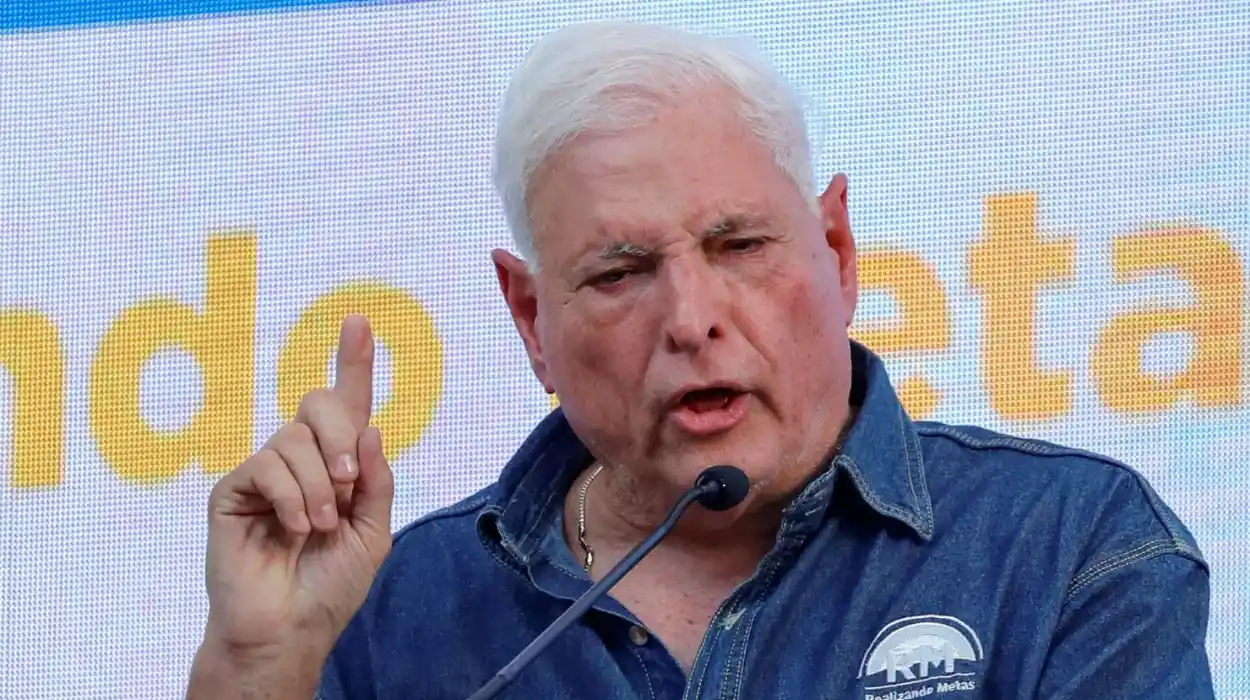
Ricardo Martinelli, Panama’s president from 2009-2014, embodies this tension. A supermarket magnate turned leader, Pandora records tie him and his family to offshore entities amid corruption probes, spotlighting how power brokers exploit secrecy while denying involvement.
Family Networks in the Shadows
Martinelli’s offshore footprint spans directorships and familial links. He served as director of Panagroup Ltd., a Bahamas company registered in 1997 by Alcogal and dissolved in 2010. Martinelli claimed minimal 1% ownership as a bank holding, insisting he wasn’t Alcogal’s client yet records contradict this detachment.
Deeper ties emerge via brother-in-law Mizrachi’s firms, including Caribbean Holding (BVI), linked to Pegasus spyware payments per reports; Alcogal filed a Suspicious Activity Report (SAR) in 2015 and resigned. Then, Belize firms Pachira Ltd. SA (2012) and Mengil International Ltd. (2013), moved to Panama in 2014, drew SARs after Odebrecht bribery confessions involving Martinelli’s son. Powers of attorney holders later implicated Ricardo Martinelli Linares to authorities, despite Martinelli’s denial: “I don’t have information on payments… except myself.”
His sons, Luis Enrique and Ricardo Alberto, directed Albatros Investing Ltd. and Milestars Invest Ltd. (BVI, 2012, via Trident Trust), with Luis also owning Dryvalley Holdings Ltd. and Ricardo directing Offshore Investor Assets Ltd. This web, built during and post-presidency, evaded scrutiny as Martinelli fled corruption probes in 2015, facing extradition for embezzlement and wiretapping.
Martinelli’s responses to ICIJ downplaying ties while confirming family business links critically ring hollow against leaked evidence, suggesting a pattern of deflection amid accountability lapses.
Statistical Shadows of Global Secrecy
Pandora Papers statistics paint a grim picture: 336 politicians exposed, including 35 heads of state, with Latin America hosting 29,000 accounts. Tax Justice Network pegs hidden offshore wealth at $21-32 trillion, costing $200-300 billion in lost taxes yearly disproportionately hitting developing economies.
IMF data shows tax havens shrink tax bases by 2-3% of GDP in such nations; World Bank reports Panama’s 400,000+ IBCs fuel this, correlating with its 35/100 Corruption Perceptions Index (Transparency International, 2023). In Panama, Gini inequality at 0.49 (World Bank) worsens as elites siphon funds Martinelli’s family firms, amid his supermarket empire, exemplify billions evading public coffers while poverty lingered above 25% during his term.
Panama’s Dual Legacy: Canal and Concealment
Panama’s Panama Canal drives 6% of global trade, yet its financial registry rivals havens worldwide. Martinelli’s presidency privatized assets and boosted infrastructure, but offshore patterns question proceeds’ destinations. Alcogal’s role handling Panagroup, Mizrachi’s spyware-linked firm, and bribe-tainted Pachira/Mengil highlights local enablers.
Belize and BVI registrations offered swift anonymity; OECD’s 2023 harmful tax list once included Panama, with FATF noting partial beneficial ownership compliance. Martinelli’s directorship during business peaks critiques a leader profiting from tools he regulated, blending public policy with private gain.
Corruption’s Offshore Lifeline
Offshore secrecy sustains graft. IMF estimates $1-2 trillion laundered annually; Pandora links like Martinelli’s evoke “state capture,” per Global Witness. His 2015 flight dodging probes into wiretapping and embezzlement mirrors patterns where 80% of exposed politicians used secrecy jurisdictions (ICIJ).
Family firms funneled Odebrecht bribes and spyware costs, per confessions and SARs, eroding institutions. World Bank studies tie havens to 10-15% higher corruption in reliant nations. Martinelli’s denials, ignoring sons’ four directorships, amplify distrust: public servants oath-bound to transparency instead weave familial shields.
Reform Gaps and Persistent Loopholes
Global pushes falter. EU delisted Panama post-2020 blacklist, but enforcement lags; CRS info exchange covers 100+ countries yet excludes many havens. Watchdogs urge public beneficial registries adopted patchily, as Panama’s partial rollout shows.
Martinelli’s case underscores enforcement voids: extradited in 2018, yet offshore assets persisted untouched. IMF recommends closing nominee loopholes; without, elites like him exploit gaps, depriving services Panama’s health spending at 5.5% GDP (World Bank) suffers accordingly.
Martinelli’s Mirror to Global Secrecy
Ricardo Martinelli’s Pandora entanglements encapsulate financial secrecy’s elite playbook. A tycoon-president, he directed offshore firms, linked family to bribe conduits, and deflected amid probes exemplifying how power insulates wealth from scrutiny. This isn’t anomaly: 600 journalists across 117 countries revealed 1,000+ companies hiding billions, per ICIJ.
Yet it indicts systems sustaining demand. Havens thrive on political complicity, per World Bank; Martinelli’s silence on family ties erodes democratic faith, widens inequality, and mocks reforms. His saga demands robust transparency public registries, whistleblower shields, and political bans on havens to reclaim accountability from shadows.