

Cambodia’s Ministry of Interior stated that Chen Zhi, aged 38 and originally from Fujian province, China, was apprehended alongside two other Chinese nationals, Xu Ji Liang and Shao Ji Hui. The operation stemmed from months of cooperation with Chinese authorities to combat transnational crime. Chen’s Cambodian citizenship, granted after renouncing his Chinese one in 2014, was revoked by royal decree last month.
No specific charges from China have been publicly detailed, but the extradition aligns with Beijing’s request for investigation into financial crimes. Cambodian Information Minister Neth Pheaktra confirmed the deportation, noting it occurred quietly to prevent contact with Western officials. Local media, including Cambodia-China Times, first reported the arrest around 7:20 PM on January 6.
Pig Butchering Scam Explained
“Pig butchering” refers to romance or investment scams where fraudsters build trust with victims via messaging apps before promoting fake cryptocurrency platforms. Victims invest growing sums, only for scammers to vanish with funds, likened to fattening a pig before slaughter. These schemes have caused billions in global losses, often run from compounds in Cambodia, Myanmar, and Laos.
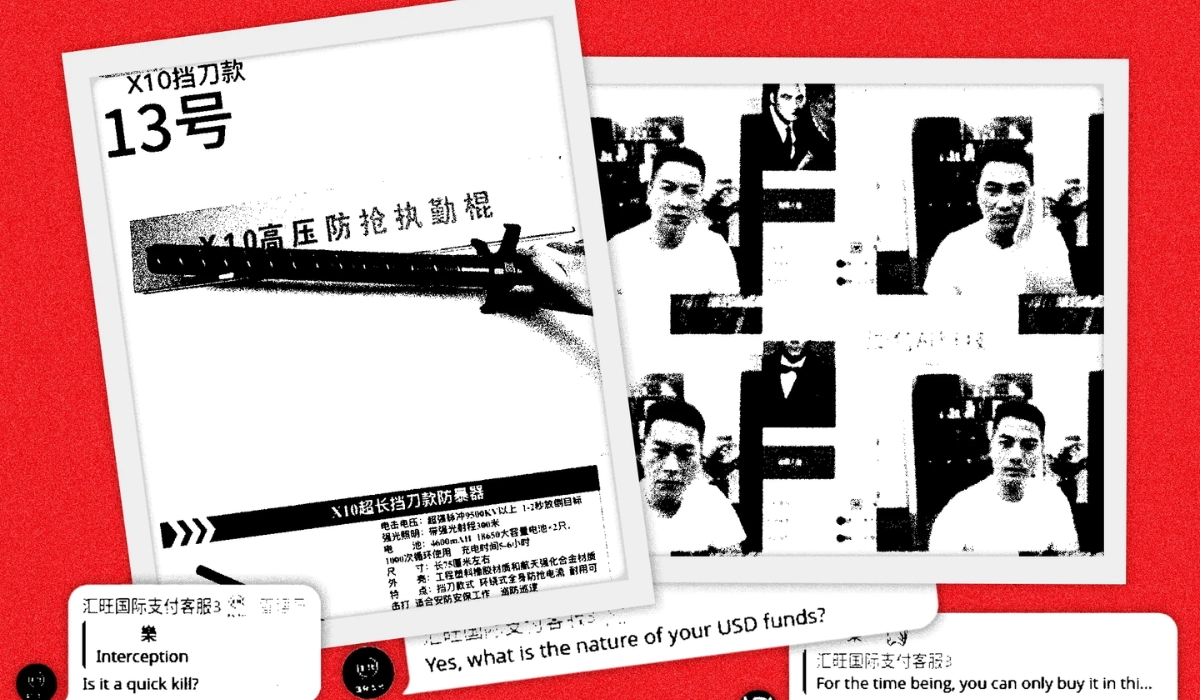
In Chen’s alleged network, trafficked workers—threatened with violence—executed high-volume frauds targeting U.S. and worldwide victims. U.S. prosecutors claim the operation laundered proceeds through 74 shell companies, converting fiat to Tether (USDT) and distributing via crypto wallets. Chen reportedly bragged about daily hauls of $30 million.
U.S. Indictment and Seizures
On October 14, 2025, the U.S. Department of Justice unsealed charges against Chen in Brooklyn federal court for wire fraud conspiracy and money laundering, alleging oversight of 10 scam compounds. Authorities seized ~127,271 bitcoins worth over $11-15 billion (fluctuating with prices), the largest such action ever. Chen faces up to 40 years if extradited and convicted.
The U.S. Treasury labeled Prince Group a “transnational criminal organization,” sanctioning Chen, over 100 entities, and associates like Chen Xiao’er (aka Hu Xiaowei). The UK seized $172 million in properties and imposed parallel sanctions. Assets frozen post-sanctions totaled $700 million across Hong Kong, Singapore, South Korea, Taiwan, and Thailand.
Prince Group Background
Founded ~15 years ago by Chen after moving to Phnom Penh, Prince Group grew into a $60 billion conglomerate with banks, casinos, hotels, malls, private jets, and listings on Hong Kong exchanges. It expanded secretly via scam proceeds, using political influence and bribes to evade scrutiny. Suspicions linked it to Chinese intelligence and triads, including a $260 million Cambodian grant.
Properties included 19 London sites near the U.S. embassy, Dubai prestige homes, and Singapore family offices. Radio Free Asia flagged issues in 2024; UN reports noted scam hubs’ spread. Prince Group denies all, calling U.S./UK claims “baseless” to justify asset grabs.
Global Scam Context
Southeast Asian scam compounds stole $64 billion in 2023 per reports, relying on Telegram and crypto. Victims span romance ploys to investment frauds; trafficked workers face torture. U.S. cases, like a Chinese national facing 20 years for laundering, underscore enforcement. Chen’s arrest signals crackdowns, straining Cambodia’s ties amid Belt and Road ties.
Taiwanese probes tied Prince to United Front activities; N Korean hackers used Cambodian firms for laundering. The case exposes regulatory lags despite warnings. Ongoing hunts for associates continue internationally.