

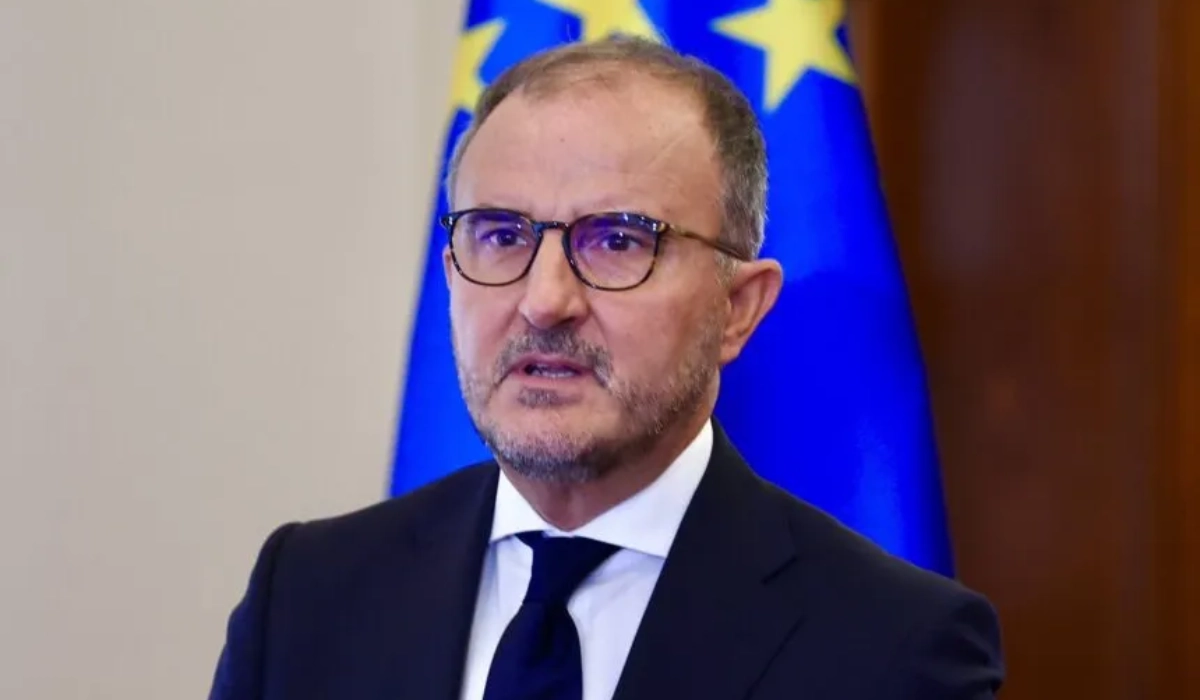
Sarajevo, Bosnia and Herzegovina – January 13, 2026 – European Union Ambassador to Bosnia and Herzegovina (BiH), Luigi Soreca, issued a stark warning on the critical need to enhance anti-money laundering (AML) measures. Speaking directly to business leaders, he emphasized that unresolved deficiencies could trigger international greylisting within two months. This development underscores ongoing global pressures on financial crime prevention amid BiH’s complex regulatory landscape.
Soreca’s Direct Address to Business Community
Ambassador Soreca met with BiH business representatives on January 11, 2026, focusing on two pivotal issues impacting the economic environment: combating money laundering and terrorist financing, alongside EU carbon border adjustment mechanism (CBAM) compliance. He highlighted that failing to rectify AML shortcomings promptly risks heightened global oversight, known as greylisting by bodies like the Financial Action Task Force (FATF). Greylisting imposes stricter due diligence on BiH financial transactions, limiting access to international markets.
Soreca praised the proactive stance of local businesses in advocating for reforms and urged state institutions to heed their input. This engagement reflects broader EU efforts to align Western Balkan nations with stringent AML standards essential for integration. The ambassador’s message aligns with BiH’s recent adoption of sweeping AML/counter-terrorism financing laws in late 2024, aimed at averting such sanctions.
Background on Luigi Soreca and His Expertise
Luigi Soreca, an Italian diplomat with over two decades in EU security and enlargement policy, assumed the role of EU Ambassador to BiH in September 2024. Previously, as EU envoy to Albania from 2018-2022, he championed justice reforms, including financial investigations into organized crime and corruption. There, Soreca supported initiatives like a €5.5 million EU program enhancing financial probes by Albanian agencies.
His career includes directing security at the European Commission’s Migration and Home Affairs Directorate, overseeing anti-crime policies and visa liberalization for Western Balkans. Soreca’s consistent advocacy for “follow the money” strategies positions him as a key voice in regional AML enforcement. In BiH, his warnings build on this legacy, targeting systemic gaps exposed in the 2024 FATF mutual evaluation.
BiH’s AML Challenges and Greylisting Risks
Bosnia and Herzegovina faces persistent AML vulnerabilities despite progress. The nation exited the EU’s high-risk list in 2020 after legislative overhauls, including criminal law amendments to curb misuse of associations for illicit finance. However, the 2024 FATF report rated BiH compliant on only 4 of 40 recommendations, largely compliant on 21, with zero highly effective outcomes.
Greylisting threatens exclusion from the Single Euro Payments Area (SEPA), deterring foreign direct investment (FDI) and complicating remittances. Recent reports note BiH’s push for new AML laws by December 2025 to dodge this fate, amid concerns over terrorist financing and outdated frameworks. International bodies like MONEYVAL, which removed BiH from monitoring in 2015, continue scrutiny.
Implications for Economy and EU Integration
Greylisting would elevate transaction costs for BiH banks and exporters, mirroring Serbia’s 2018 experience on FATF lists. Businesses risk contract losses and reputational harm, as seen in past EU blacklisting episodes. Soreca linked AML lapses to CBAM delays, where inadequate emissions verification systems compound financial burdens since January 1, 2026.
For EU accession hopefuls like BiH, robust AML regimes are non-negotiable. Soreca’s Albania tenure saw justice bodies like SPAK seize assets via financial probes, a model for BiH. Stakeholders warn that without action, FDI inflows—vital for post-pandemic recovery—could plummet. BiH authorities must prioritize cross-institutional coordination and resource allocation.
Global Context of Money Laundering Fight
Money laundering fuels organized crime, terrorism, and corruption worldwide, with FATF standards as the benchmark. The EU updates high-risk country lists biannually, pressuring jurisdictions like BiH to align regimes. Soreca’s interventions echo EU support exceeding €60 million since 2012 for Balkan law enforcement, including PAMECA training.
In BiH, new 2024 laws target high-risk sectors like real estate and non-profits. Yet, effectiveness hinges on implementation, convictions, and asset confiscations—areas Soreca deems crucial. Regional peers like Albania demonstrate progress through specialized units, offering BiH a blueprint.
Calls to Action and Future Outlook
Ambassador Soreca called for immediate state action, leveraging business advocacy for momentum. BiH must enact pending reforms within the two-month window to avert greylisting and secure SEPA access. Long-term, embedding financial intelligence units and international cooperation remains key.
As global AML scrutiny intensifies, Soreca’s message signals EU patience wearing thin. BiH’s response will shape its economic stability and Euro-Atlantic trajectory. Stakeholders anticipate legislative urgency to safeguard investments and compliance.