

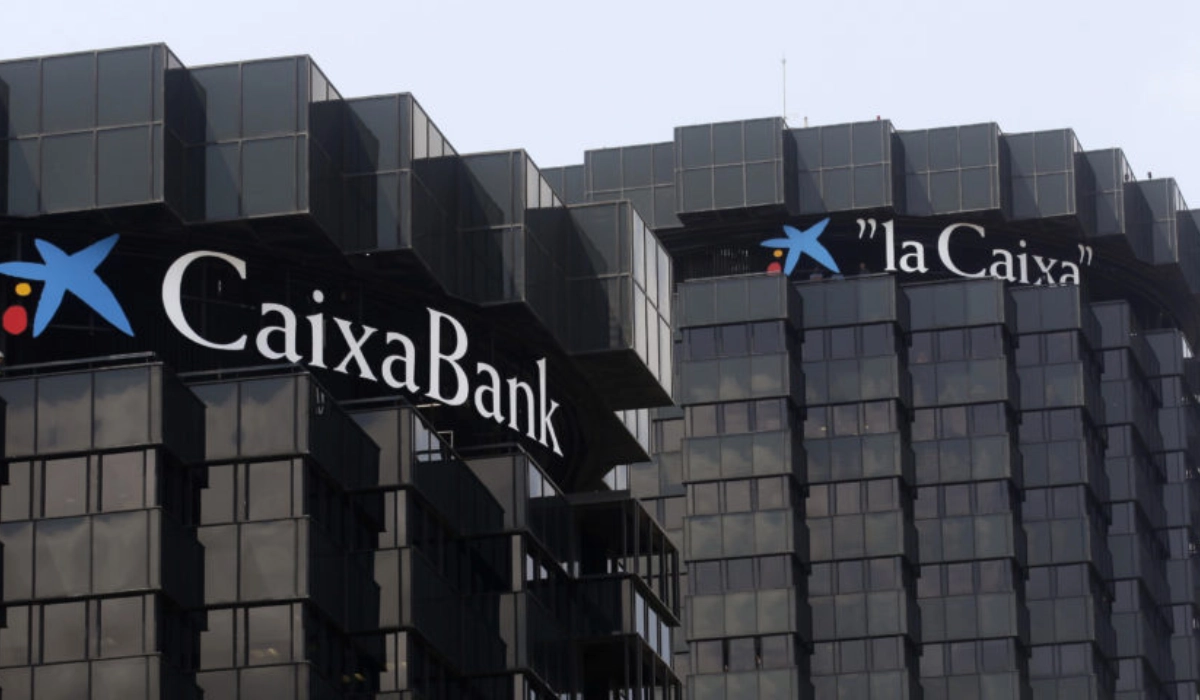
The fines stem from Bankia’s 2016 sale of Torre Foster, also known as Torre Cepsa, a prominent skyscraper in Madrid’s Cuatro Torres Business Area designed by Norman Foster. Bankia leased the 250-meter tower to Cepsa in 2013 with a purchase option, which was exercised in 2016 by a company linked to Abdulla Butti Al Qubaisi, former president of Cepsa and head of Abu Dhabi’s IPIC fund. Al Qubaisi immediately resold it to Amancio Ortega’s Pontegadea for €490 million.
Regulators focused not on the deal’s value but on CaixaBank’s inherited AML shortcomings from Bankia. Internal red flags prompted inadequate scrutiny of high-risk profiles, including obscured ultimate beneficial owners via corporate vehicles. The bank failed to file a suspicious transaction report despite indicators of potential illicit fund flows.
Regulatory Action Details
Spain’s Executive Service for the Commission for the Prevention of Money Laundering and Monetary Infringements (Sepblac), under the Ministry of Economy, classified the breaches as “very serious” under national AML laws. One publicized fine reached €17.6 million, with others pushing the total above €30 million ($35 million), published in the Official State Gazette (BOE) around December 11, 2025. This marks one of Sepblac’s highest penalties ever.
Sepblac’s investigation revealed the sale facilitated concealment of illicit capital origins, with funds passing through CaixaBank accounts without due diligence. The agency emphasized mandatory checks for high-risk real estate transactions involving politically exposed persons or opaque structures.
CaixaBank’s Merger Context
CaixaBank completed its absorption of Bankia in March 2021, creating Spain’s leading bank by assets after regulatory approvals including from the National Markets and Competition Commission. The merger integrated Bankia’s operations by late 2021, but legacy issues like this AML case persist. CaixaBank confirmed it appealed all fines and declined further comment.
A CaixaBank spokesperson reiterated the appeal, signaling intent to challenge Sepblac’s findings in court. No admission of liability has been made.
Broader AML Implications
This case underscores intensified enforcement in Europe’s real estate sector, a known vector for money laundering via anonymous shell companies. Spain aligns with EU’s 6th AML Directive, mandating enhanced due diligence for high-value property deals. Sepblac has ramped up sanctions post-Panama Papers, targeting banks’ customer due diligence (CDD) and suspicious activity reporting (SAR).
- Comparable fines include prior probes into CaixaBank branches for Chinese money laundering in 2018.
- Globally, real estate AML failures have led to billions in penalties, as seen in Danske Bank’s €4.4 billion scandal.
- Experts note rising focus on politically exposed persons (PEPs) like Al Qubaisi, convicted in France for fraud.
For banks, this reinforces needs for robust transaction monitoring, beneficial ownership verification, and timely SAR filing amid digital asset and property convergence.
Bank and Market Reactions
CaixaBank shares showed minimal volatility post-news, reflecting the fine’s size relative to its €70 billion market cap. Analysts view it as a legacy hit rather than operational flaw, given post-merger compliance upgrades. Sepblac and Economy Ministry withheld details, standard for ongoing appeals.