

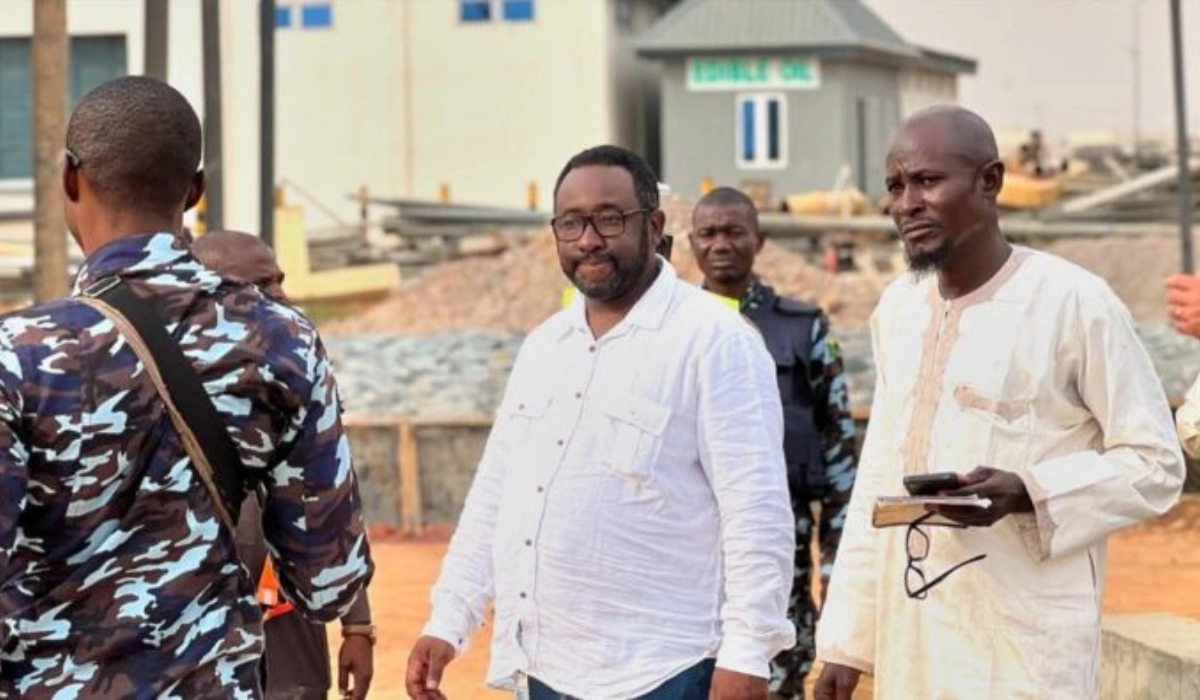
The Independent Corrupt Practices Commission (ICPC) has formally arraigned Amadu Sule, a prominent business figure and close associate of former Kaduna State Governor Nasir El-Rufai, on serious money laundering charges involving over N311 billion. This high-profile case, unfolding at the Federal High Court in Kaduna, underscores Nigeria’s intensifying crackdown on financial crimes amid ongoing anti-corruption drives. Neutral observers view it as a test of judicial independence in politically charged matters.
Case Details and Charges
Amadu Sule, Managing Director of TMDK Terminal Limited, faced arraignment on Monday before Justice ___ at the Federal High Court in Kaduna on a five-count charge sheet. The charges invoke the Money Laundering (Prevention and Prohibition) Act, 2022, specifically alleging unlawful retention of fraud proceeds and money laundering under Sections 18(3) and 18(4). ICPC prosecutors, led by Dr. Osuobeni Ekoi Akponimisingha from the High-Profile Prosecution Department, claim Sule exercised control over N311 billion routed through accounts at Fidelity Bank, Stanbic IBTC, and Providus Bank.
The funds allegedly originated from entities including INT Towers Limited, IHS Nigeria Ltd, IHS Towers NG Ltd, and Boaz Commodities Limited, masked as payments for petroleum product supplies. ICPC contends Sule “reasonably ought to have known” these were illicit proceeds, with his firm retaining substantial tax components despite awareness of underlying fraud. This retention exposes both Sule and TMDK Terminal Limited to enhanced penalties, marking a significant escalation in probes tied to opaque transactions.
Funds Flow and Alleged Fraud Scheme
Investigators traced the colossal sum—equivalent to billions in USD at current rates—through layered banking channels, highlighting sophisticated laundering tactics. Sources indicate the scheme involved fictitious contracts for petroleum supplies, a common vector in Nigeria’s financial crime landscape. TMDK Terminal Limited, central to the allegations, purportedly handled and retained “hundreds of billions” in tax elements from these deals, amplifying the case’s scale.
No direct evidence implicates El-Rufai in the charges, but public records note TMDK’s longstanding ties to Kaduna state contracts during his 2015-2023 governorship. Legal experts emphasize the ICPC’s focus on “direct handling of illicit proceeds,” positioning this as a landmark under the 2022 Act, which mandates harsher sentences for knowing retention. The probe’s timing, post-El-Rufai’s political exit, fuels debates on selective enforcement in anti-money laundering (AML) efforts.
Court Proceedings and Bail Hearing
Sule appeared in court without entering a plea, as proceedings advanced to his bail application. The matter adjourned to January 15, 2026—today—for ruling on bail terms, with ICPC likely seeking stringent conditions given the amount. Court documents, sighted by multiple outlets, detail the prosecution’s intent to prove Sule’s awareness of fraud origins, potentially invoking conspiracy clauses.
Defence strategy remains undisclosed, but analysts anticipate challenges to evidence admissibility and transaction legitimacy. The High-Profile Prosecution Department’s involvement signals ICPC’s resource commitment, reflecting the case’s national stakes in combating money laundering linked to political networks. As of January 15, 2026, no updates on bail outcome are confirmed, keeping stakeholders vigilant.
El-Rufai Connections and Public Reaction
Amadu Sule’s proximity to Nasir El-Rufai, including business dealings with El-Rufai’s brother Bashir, has amplified scrutiny. Media reports highlight TMDK’s role in Kaduna projects under El-Rufai’s administration, though ICPC charges target Sule individually. Advocacy groups praise the arraignment as progress in AML enforcement, aligning with global standards like FATF recommendations Nigeria strives to meet.
Social media erupts with polarized views: supporters decry “political witch-hunt,” while critics demand fuller disclosures on state-era payments. Punch and Guardian coverage notes rising public interest, with #ICPCelRufai trending amid calls for transparency. Neutral voices, including legal analysts, stress due process over speculation, warning against prejudging amid Nigeria’s Naira depreciation context that magnifies such sums.
Broader AML Implications in Nigeria
This N311 billion case dwarfs prior ICPC actions, spotlighting vulnerabilities in petroleum supply chains and tax retention. Under President Bola Tinubu’s administration—now in its third year—anti-corruption bodies intensify probes, recovering assets worth billions annually. The 2022 Money Laundering Act’s provisions, post-2021 amendments, empower stricter penalties, with life imprisonment possible for aggravated laundering.
For financial compliance professionals, the case exemplifies “proceeds of unlawful activity” doctrines, urging enhanced due diligence on high-value transfers. Banks implicated—Fidelity, Stanbic IBTC, Providus—face indirect pressure to bolster KYC amid CBN directives. Internationally, it bolsters Nigeria’s FATF grey-list exit bid, signaling robust enforcement against illicit financial flows.