

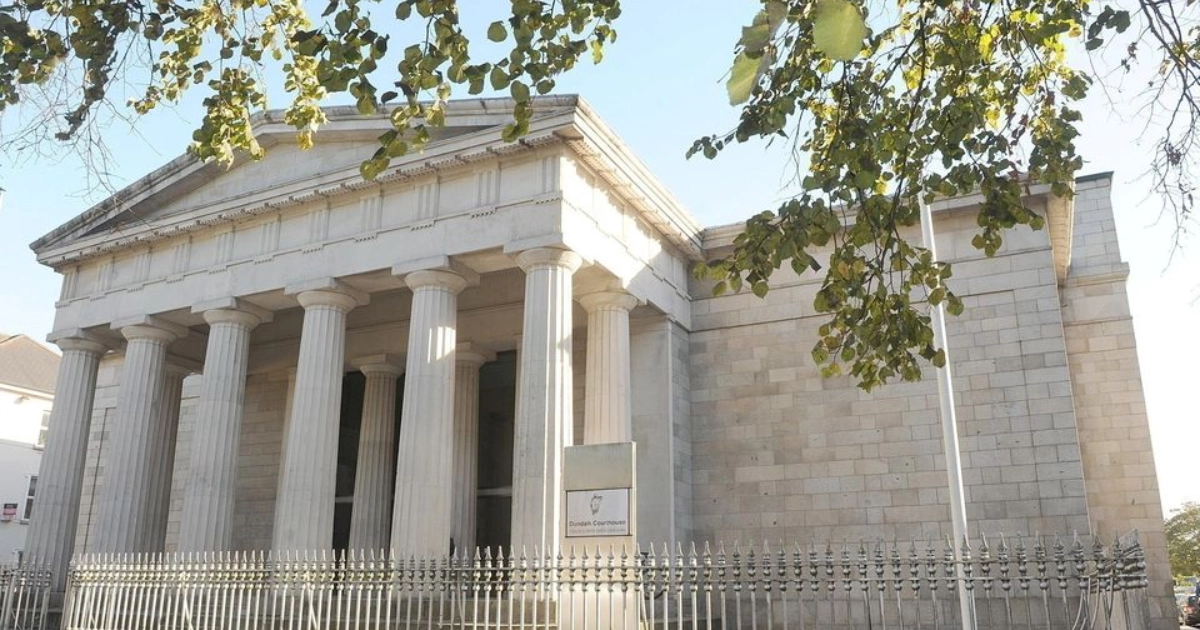
In a significant development in Ireland’s fight against organized crime, three women—Marlena Aleksandrowicz, Jade Heeney, and Annie Smith—pleaded guilty to money laundering offenses tied to the Boylan organized crime group based in Drogheda, County Louth. The offences occurred between 2020 and 2021, involving the use of their personal bank accounts and Revolut accounts to handle proceeds from large-scale drug importation and sales. Garda John Walsh of Drogheda Garda Station testified at Dundalk Circuit Criminal Court that the Boylan group, led by brothers Keith Boylan (aged 30, from Moneymore, Drogheda) and Josh Boylan, was at the center of the notorious Drogheda feud, which has claimed multiple lives, including a 17-year-old whose dismembered remains were found in separate locations.
The women occupied a “lower rung” in the criminal enterprise, allowing their accounts to receive and transfer funds for the group, though the amounts were described as relatively small compared to the organization’s overall operations. This case highlights how money laundering—defined as the process of disguising illegal origins of funds through placement, layering, and integration stages—enables organized crime groups to legitimize profits from activities like drug trafficking.
Profiles of the Accused
Marlena Aleksandrowicz, 29, from Bridgefield, Northwood, Santry, Dublin, was a friend of Keith Boylan’s girlfriend, providing a personal connection to the group’s leadership. Jade Heeney, 27, from the Hill of Rath, Drogheda, had been in a four-year relationship with Keith Boylan, described in court as “toxic.” Annie Smith, 28, from The Alders, Avourwen, Drogheda, is a former partner of Josh Boylan, with their relationship characterized as “violent and abusive.”
All three women were single mothers (Aleksandrowicz and Smith specifically noted as such), with no prior adverse Garda attention, which factored into sentencing considerations. Their admissions came amid broader scrutiny of the Drogheda feud, a violent gang conflict that has drawn national attention for its brutality and links to international drug networks.
Court Proceedings and Sentencing
The guilty pleas were entered prior to a sentencing hearing in July 2025 at Dundalk Circuit Criminal Court, where Judge Dara Hayes imposed two-and-a-half-year suspended sentences on each woman. The judge emphasized the seriousness of the offenses, stating they facilitated a “serious criminal organisation based in Drogheda” in laundering “ill-gotten gains.” He noted the women’s awareness of the criminals involved, rejecting claims of naivety, but acknowledged mitigating factors like fear induced by their relationships and their peripheral roles.
Garda Walsh’s evidence explicitly named the Boylan brothers as leaders for the first time in court, linking the laundering to the group’s drug importation activities. Aggravating factors included the connection to organized crime, while mitigation encompassed their personal circumstances and clean records. The suspended sentences reflect judicial balancing of deterrence against rehabilitation, common in money laundering cases involving coerced lower-level participants.
Broader Context of Money Laundering
Money laundering remains a cornerstone of organized crime, allowing groups like the Boylans to integrate illicit funds—often from drugs—into the legitimate economy. The process typically involves three stages: placement (introducing dirty money into financial systems), layering (obscuring trails via transfers), and integration (withdrawing “clean” funds for use). In this Louth case, the women’s accounts served placement and layering functions, handling payments to and from the group.
Ireland has intensified anti-money laundering (AML) efforts under frameworks like the Criminal Justice (Money Laundering and Terrorist Financing) Act 2010, with recent updates emphasizing digital accounts like Revolut. The Drogheda feud exemplifies how local gangs exploit such vulnerabilities, contributing to Ireland’s rising organized crime challenges, including over €1 billion in annual drug profits laundered domestically.
Implications for Organized Crime in Louth
The Boylan group’s activities are part of the Drogheda feud, a power struggle between factions that has resulted in murders and heightened Garda operations. Naming the brothers in court marks a tactical escalation in disrupting leadership structures. This case underscores vulnerabilities in personal relationships exploited by crime groups, particularly targeting women in coercive dynamics—a pattern seen globally in AML enforcement.
Gardaí continue operations against the group, with suspended sentences serving as warnings that even peripheral actors face prosecution. The proceedings also spotlight Revolut’s role in modern laundering, prompting calls for stricter fintech oversight.
Law Enforcement Response
An Garda Síochána’s Drogheda Station has prioritized the feud, with resources allocated to financial tracking under the Organized Crime Convention’s AML provisions. International cooperation via Europol aids in tracing cross-border drug funds, vital as Irish ports like Dublin handle significant heroin and cocaine inflows. Future charges against the Boylans remain possible, building on this intelligence.
Societal and Economic Impact
Money laundering from Louth’s crime groups distorts local economies, inflating property and business sectors while funding violence. Victims of the feud, including families of the murdered teen, highlight human costs. Public awareness campaigns and bank vigilance are key preventives, as small accounts like those used here provide “significant assistance” to criminals.