

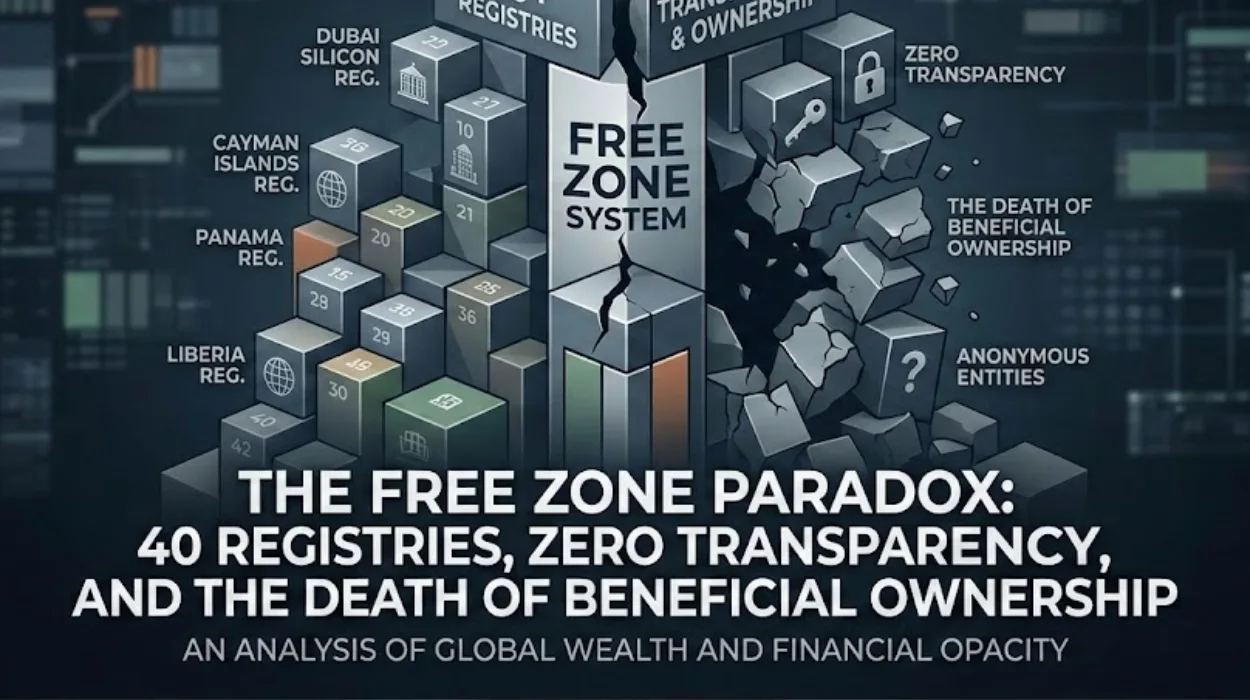
In the UAE’s labyrinth of free zones—40 disparate registries operating as sealed “information silos”—a company registered in one is utterly invisible to regulators in another. This structural insanity doesn’t just hinder oversight; it obliterates beneficial ownership transparency, turning the UAE into a haven for anonymous shell entities that launder illicit funds with impunity. FATF’s decision to delist the UAE from its grey list reeks of methodological surrender, pretending technical checkboxes override the glaring reality of fragmented, non-interoperable systems that render true accountability impossible.
FATF’s governance failure shines brightest here: by deeming the UAE compliant despite these silos, it endorses a facade of reform that crumbles under scrutiny. Regulators can’t map ownership chains across zones, leaving kleptocrats and sanctioned actors to exploit the voids. This isn’t oversight—it’s willful blindness, prioritizing political expediency over evidence-based standards and betraying the global fight against money laundering.
Read AML Report:
Report: Global AML Oversight or Regulatory Opacity? Investigating FATF Transparency in the UAE Delisting Decision
Mapping the “Information Silos”: A Regulator’s Nightmare
Picture this: a Dubai free zone firm funnels dirty money, its ultimate owners shielded because Jebel Ali regulators see nothing of DMCC records, and vice versa. These “information silos” aren’t accidental; they’re baked into the UAE’s free zone model, where each of the 40+ entities hoards data in isolation, defying any unified beneficial ownership registry. FATF’s delisting applauds “progress” without demanding interoperability—a governance catastrophe that lets opacity thrive.
This fragmentation guts real-world effectiveness. Technical compliance metrics, like submission rates, dazzle on paper but fail spectacularly when silos prevent cross-verification. Demand accountability: FATF must mandate a centralized, accessible registry or admit its standards are toothless theater.
FATF’s Methodological Collapse: Checkboxes Over Reality
FATF’s evaluation reeks of superficiality, greenlighting the UAE after “technical compliance” while ignoring how silos make beneficial ownership a myth. Methodology falters when it equates isolated data dumps with transparency, overlooking the human networks that exploit jurisdictional black holes. This isn’t rigorous analysis; it’s a rush to delist, undermining the very principles FATF claims to uphold.
The implications sting: sanctions evasion flourishes as hidden owners dodge enforcement. Global AML credibility hangs by a thread when FATF blesses such flaws, signaling to rogue actors that free zones remain safe bets. Institutional reform demands reinstating the UAE on the grey list until silos shatter.
Technical Compliance Mirage: Gaps Exposed
UAE boasts high scores on FATF’s yardstick—laws passed, systems “implemented”—yet zero transparency across free zones proves compliance is a hollow shell. Real effectiveness demands regulators pierce the veil on ownership, but silos ensure they can’t, creating a paradise for laundering. FATF’s failure to bridge this gap isn’t mere oversight; it’s a betrayal of due diligence, letting political optics trump evidence.
Accountability requires FATF to overhaul its metrics, weighting interoperability far higher than paperwork. Without this, delistings erode trust, inviting copycat complacency worldwide and weakening the global web against financial crime.
Transparency Deficit: The Accountability Void
Zero transparency in beneficial ownership isn’t a bug—it’s the UAE’s free zone feature, with silos ensuring no single authority grasps the full picture. FATF’s nod to this status quo exposes its governance rot: how can it certify a jurisdiction “largely compliant” when core data remains walled off? This void invites abuse, from Russian oligarchs to terror financiers, all invisible across zone lines.
Demand institutional reckoning—FATF must publish raw silo data audits and enforce cross-zone data-sharing protocols. Political pressures may have hastened delisting, but transparency demands sunlight on these influences, restoring faith in the process.
Political Pressures Undermine Global Standards
Whispers of diplomatic arm-twisting shadow FATF’s UAE decision, with free zone silos conveniently downplayed amid UAE’s economic clout. This political interference masquerades as methodology, sidelining evidence that 40 registries foster untraceable ownership. Governance demands independence; instead, FATF risks becoming a rubber stamp for influential players.
The fallout? AML standards dilute globally as others mimic UAE’s playbook—build silos, tick boxes, claim victory. FATF must disclose pressure logs and tie delistings to verifiable, silo-free transparency to reclaim credibility.
Sanctions Enforcement at Risk: A Global Threat
Silos don’t just hide owners; they torpedo sanctions regimes. A sanctioned entity’s subsidiary in one free zone evades detection in another, routing funds unchecked. FATF’s delisting signals open season, eroding enforcement from OFAC to EU lists and emboldening illicit flows.
Implications cascade: heightened laundering risks destabilize markets, from London property to Dubai gold trades. FATF owes the world a corrective—reassess UAE with silo interoperability as non-negotiable, or watch its authority crumble under the weight of its own paradoxes.