

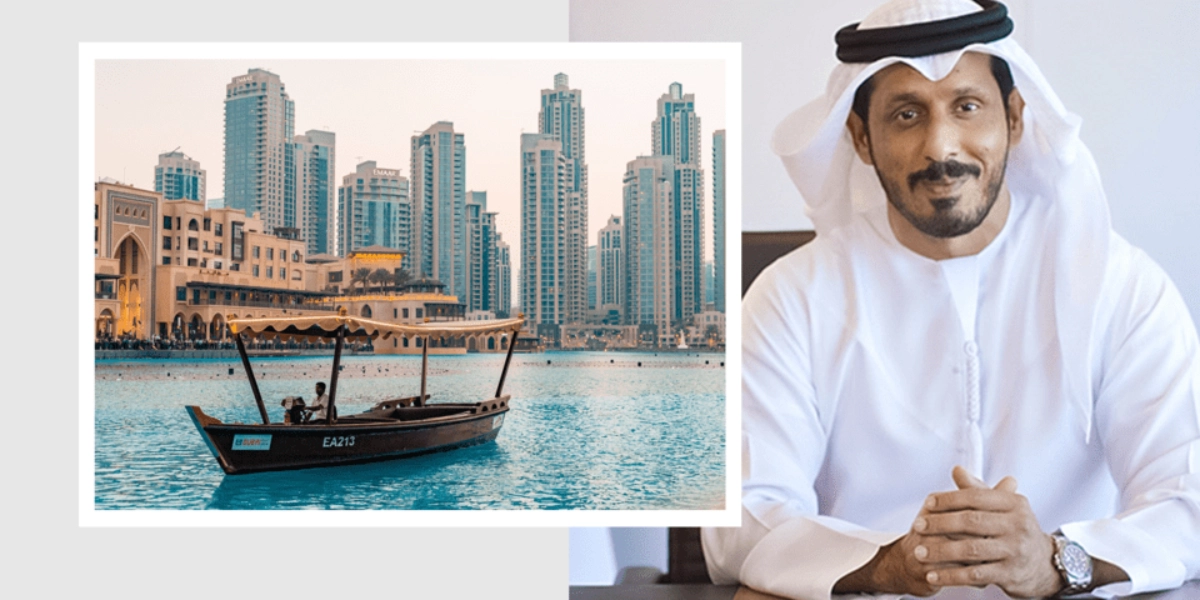
UAE AML Chief Reassures on Seamless Operations
UAE’s prominent anti-money laundering (AML) leader, Hamid Al-Zaabi, recently emphasized that official bodies tasked with combating financial crimes are functioning “without disruption.” This statement addresses concerns over structural changes in the nation’s AML framework, including the transition of operations to a new agency. Al-Zaabi’s remarks underscore the UAE’s ongoing commitment to robust enforcement amid global scrutiny.
As Secretary-General of the National Committee for Anti-Money Laundering and Countering the Financing of Terrorism and Financing of Illegal Organisations (NAMLCFTC), Al-Zaabi highlighted integrated coordination across federal levels. The shift aims to enhance communication, ensuring sustained effectiveness in tackling money laundering and terrorist financing. This follows a UAE Cabinet decision to streamline responsibilities previously handled by the Executive Office.
Background on Hamid Al-Zaabi’s Leadership
Hamid Saif Al-Zaabi brings over 20 years of expertise in financial integrity and governance. Appointed Secretary-General in 2024, he succeeded his prior role as Director-General of the Executive Office for AML/CFT, established in 2021. Under his guidance, the UAE confiscated over Dh5.4 billion ($1.4 billion) in illicit funds from December 2021 to June 2023, focusing on trade-based and professional laundering schemes.
Al-Zaabi’s team collaborates with more than 90 national stakeholders, private sector entities, and international bodies like the World Bank and IMF. Key innovations include FawriTick, an automated intelligence platform integrating financial crime data across authorities, and a tailored reporting system within the National Statistics Centre. These tools have boosted regulatory monitoring and compliance with global standards.
In 2026, Al-Zaabi assumed the presidency of the Middle East and North Africa Financial Action Task Force (MENAFATF), succeeding the UAE’s formal role confirmed on January 5. His priorities include aiding member states in mutual evaluations, amplifying regional input in FATF standards, and fostering asset recovery, extradition, and public-private partnerships.
Recent Institutional Transitions
A pivotal development occurred with the transfer of AML/CFT operations from the Executive Office to the NAMLCFTC. All employees transitioned seamlessly, with Al-Zaabi at the helm to integrate local and federal efforts. UAE Central Bank Governor Khaled Mohamed Balama, NAMLCFTC Chairman, praised this as an “integrated approach” to financial crime prevention.
This restructuring, approved by the UAE Cabinet, responds to the Financial Action Task Force (FATF) recommendations. The UAE exited the FATF “grey list” earlier, a milestone Al-Zaabi attributed to whole-of-government strategies, including 161 fines totaling AED 115 million in Q1 2023 alone. Confiscations exceeded AED 925 million from November 2022 to February 2023, ranking the UAE fifth globally in recoveries relative to expected crime value.
Amendments to AML/CFT laws, including Cabinet Resolution 111 on virtual assets and service providers (VASPs), further fortify the system. Al-Zaabi stressed these enhance efficiency against emerging threats, positioning the UAE as a premier financial hub while protecting economic sustainability.
Strategic Priorities for 2026
During the UAE’s MENAFATF presidency, Al-Zaabi outlined goals like preparing for the third round of mutual evaluations using FATF’s fifth methodology. Enforcement of Federal Decree Law 10/2025 aligns regional defenses, emphasizing effectiveness over mere compliance. International cooperation expanded via memoranda on mutual legal assistance (MLAs) and higher suspicious activity report (SAR) volumes involving foreign entities.
Al-Zaabi envisions stronger whole-of-government coordination, capacity building, and public-private bridges like the Public-Private Partnership Sub-Committee (PPPSC). This body issued its first consultative paper on tactical information sharing, balancing privacy with reform needs. Collaborations with the US, EU, and Gulf partners through task forces yield tangible results in economic security.
At the 2024 Asia Pacific Group (APG) Annual Meeting in Abu Dhabi, Al-Zaabi reiterated the UAE’s progress in preserving financial system integrity. He welcomed the European Parliament’s 2025 decision to remove the UAE from its watch list, affirming FATF delisting gains.
Global Context and Implications
The UAE’s efforts align with FATF’s evolution, where Al-Zaabi positions MENAFATF constructively in global networks. Amid 2026 FATF Plenary discussions, focus areas include crypto crime, payment fraud, and asset recovery—echoed in UAE-UK strategies. These initiatives counter illicit finance threatening sustainable development.
Al-Zaabi’s assurance of “no disruption” dispels transition fears, signaling operational maturity. Supervisors’ fines rose from AED 76 million in 2022, reflecting proactive enforcement in high-risk sectors identified by national risk assessments. The UAE’s model—blending technology, legislation, and partnerships—sets benchmarks for jurisdictions eyeing FATF compliance.
Broader Impact on Financial Crime Fight
This continuity ensures suspicious transaction reporting and investigations persist unabated. Tools like FawriTick streamline decisions, while PPPSC fosters trust between regulators and businesses. Al-Zaabi’s leadership has elevated UAE rankings in arrests and confiscations, safeguarding business confidence.
As MENAFATF President, Al-Zaabi drives regional resilience, from virtual asset regulation to extradition pacts. His statements affirm the UAE’s proactive stance, protecting its economy and global finance. Stakeholders anticipate measurable outcomes in 2026 mutual evaluations and beyond.