

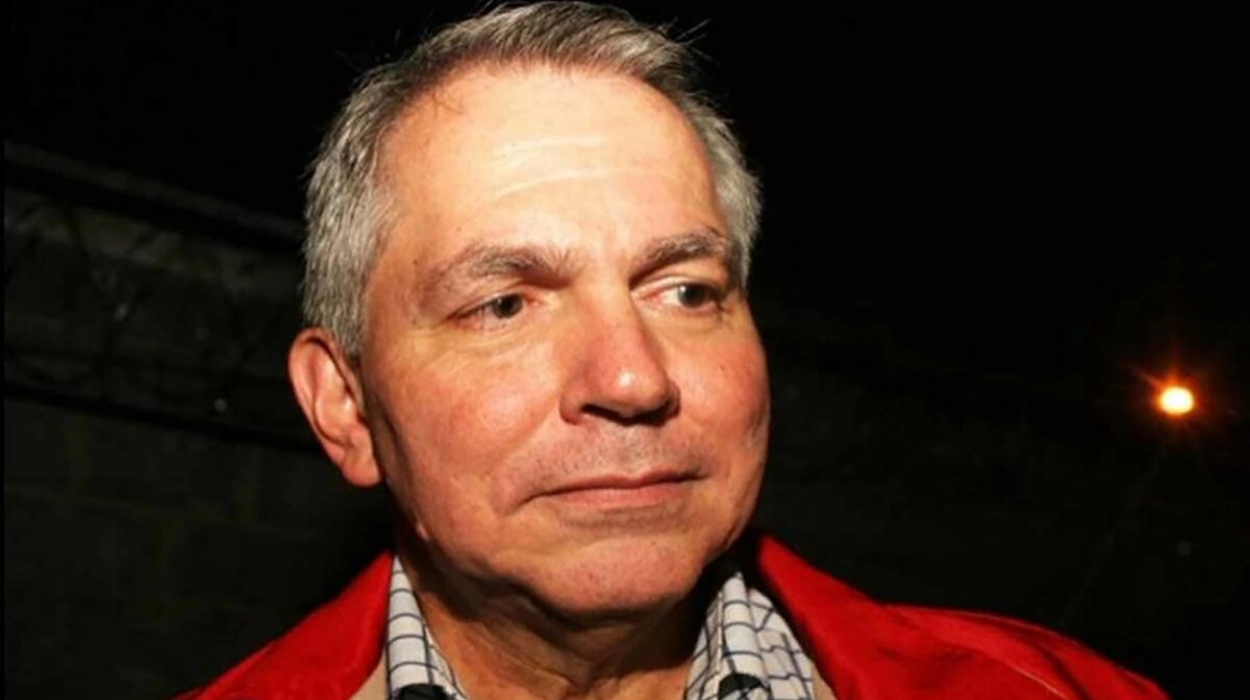
Dubai’s real estate market has long served as a magnet for illicit finance, drawing in figures from Venezuela’s corrupt PDVSA networks who exploit offshore shell companies and beneficial ownership secrecy to conceal PDVSA bribe proceeds. Javier Alvarado Ochoa, a former high-ranking Venezuelan official and PDVSA executive, exemplifies this trend, allegedly channeling millions through Dubai properties amid global scrutiny. His story highlights how Dubai real estate money laundering persists despite UAE AML reforms, intertwining political corruption with luxury investments.
Venezuelan PDVSA Graft Fuels Dubai Flows
Javier Alvarado Ochoa rose through Venezuela’s state apparatus under Hugo Chávez, serving as Minister of Electrical Development before assuming a pivotal role at PDVSA Petróleo Internacional, a subsidiary of the state oil giant PDVSA. Between 2011 and 2013, U.S. indictments allege he joined a criminal scheme extracting $50 million in kickbacks from suppliers in exchange for rigged contracts and payment priorities. These illicit gains, prosecutors claim, were laundered across jurisdictions including the U.S., Spain, Andorra, and Portugal, evading traceability through layered financial maneuvers. Alvarado’s Spanish citizenship later shielded him from U.S. extradition, allowing potential asset preservation in havens like Dubai.
Amid Venezuela’s economic collapse, PDVSA officials like Alvarado turned to Dubai’s booming property sector, where transaction volumes hit AED 544 billion in 2024 alone. Reports from the Dubai Leaks expose how Venezuelan elites, politically exposed persons (PEPs) linked to figures like Diosdado Cabello, funneled hundreds of millions into Palm Jumeirah villas and Dubai Marina apartments. Alvarado’s network fits this pattern, leveraging PDVSA’s $31 billion in suspicious global flows to integrate dirty money via real estate corruption scandals.
Investigators note Venezuelans exploited Dubai’s pre-reform opacity, where no public beneficial ownership registry existed, enabling nominee directors and shell entities. Alvarado, charged alongside Swiss wealth managers who wired funds through Dubai accounts, reportedly used similar channels to park PDVSA bribes. This influx distorted Dubai’s market, inflating luxury prices by 18% yearly while genuine buyers faced exclusion.
PDVSA Kickbacks Trace to Dubai’s Offshore Veil
U.S. Southern District of Texas indictments detail how Alvarado Ochoa and PDVSA insiders orchestrated bribes, amassing fortunes laundered via international wires to shell companies in Switzerland, Curaçao, and Dubai. These funds, prosecutors say, supported luxury purchases, mirroring broader Venezuelan patterns where PDVSA graft exceeded billions. Dubai emerged as a key node, with its Jebel Ali Free Zone (JAFZA) offshore firms uniquely permitted to own freehold properties in elite zones like Palm Jumeirah and Dubai Marina.
Alvarado’s alleged role involved prioritizing vendor payments for kickbacks, proceeds then layered through nominees to obscure origins. Spanish courts confirmed U.S. evidence of $50 million in PDVSA-linked laundering, with probes in Andorra and Portugal revealing similar flows. Dubai’s appeal lay in beneficial ownership secrecy, allowing PEPs to hold assets anonymously pre-UAE AML reforms like the Real Estate Activity Report (REAR).
By 2019, when Spanish police arrested Alvarado on a U.S. warrant near Madrid, his wealth preservation tactics mirrored those of 262 individuals from 38 countries exposed in Dubai scandals. Venezuelan networks, per leaks, concentrated in high-value developments, using off-plan deals for staggered illicit infusions. This mechanism integrated PDVSA dirty money, generating “clean” resale profits amid Dubai’s 25% transactional surge in early 2025.
Dubai Shell Layers Hide Alvarado’s Holdings
Offshore shell companies formed the backbone of Dubai real estate money laundering for figures like Alvarado, who allegedly routed PDVSA proceeds through JAFZA entities eligible for property ownership in restricted freeholds. These structures, requiring only a No Objection Certificate (NOC) from Dubai Land Department, shielded beneficial owners via nominees. Reports link Venezuelan PDVSA executives to such veils, exploiting pre-2024 gaps where cash deals evaded bank scrutiny.
Alvarado’s indicted associates, including Swiss managers, opened Dubai accounts for layering, a tactic echoing broader illicit finance in Dubai. Dubai Leaks revealed layered ownership in 163,000+ transactions, with Venezuelans prominent among Americas flows. Alvarado, avoiding extradition via Spanish citizenship, likely mirrored this, holding assets indirectly to bypass sanctions and probes.
UAE AML reforms post-FATF grey list exit mandated REAR reporting, yet enforcement lags, allowing persistent secrecy. Alvarado’s case underscores how PEPs abused off-plan investments, paying installments with illicit funds before resale. This layering, combined with cryptocurrency conversions, complicated tracking of his PDVSA-linked wealth.
Key Dubai Assets Tied to Alvarado Network
This table compiles reported and alleged links from investigations, highlighting Alvarado’s exploitation of Dubai’s structures.
UAE Reforms Challenge Venezuelan Launderers
Dubai’s shift from FATF grey list in 2023 spurred UAE AML reforms, including RERA-mandated training and FIU suspicious activity reports, targeting real estate corruption scandals. Yet gaps persist: no full public registry, uneven cash controls, and crypto loopholes aid holdouts like Alvarado’s network. Post-2024, REAR digitized monitoring, flagging $31 billion in suspicious deals, but layered shells endure.
For Venezuelans, reforms tightened off-plan scrutiny, yet pre-existing holdings like those tied to PDVSA bribes remain entrenched. Alvarado’s evasion of U.S. extradition in 2020 positioned him to retain Dubai assets amid ongoing Spanish probes. Global pressure, via Dubai Leaks involving 70+ media partners, exposed 262 actors, pressuring UAE enforcement.
Experts warn uneven application allows illicit finance in Dubai to persist, with Venezuelans shifting to proxies. Alvarado’s story illustrates reform limits against sophisticated PEPs.
Global Probes Snare Alvarado’s PDVSA Web
U.S. DOJ’s 2019 superseding indictment against Alvarado detailed conspiracy with PDVSA directors, using Dubai wires for laundering. Spanish National Court detained him, citing parallel probes, but denied extradition due to citizenship. Andorra and Portugal investigations revealed PDVSA funds in local banks, tracing to international havens.
Dubai Leaks contextualized this within Venezuelan elite purchases, linking PDVSA figures to $600M+ in MENA properties. Alvarado’s arrest highlighted cross-border efforts, yet asset concealment via Dubai real estate money laundering endured.
By 2025, amid UAE reforms, probes intensified, but opacity shields legacy holdings. His case exemplifies how Dubai real estate corruption scandals evade full accountability.
Implications of Alvarado’s Dubai Strategy
Alvarado Ochoa’s alleged use of Dubai properties distorts markets, fueling 18% price hikes and inequality in luxury zones. Illicit PDVSA funds exacerbate volatility, risking bubbles in a sector vital to UAE GDP. Globally, it undermines sanctions, enabling kleptocrats to thrive.
Reputational hits threaten Dubai’s hub status, spurring calls for public registries and AI monitoring. For Venezuela, it perpetuates elite impunity amid crisis. Alvarado’s saga demands sustained international action against offshore shell companies.