

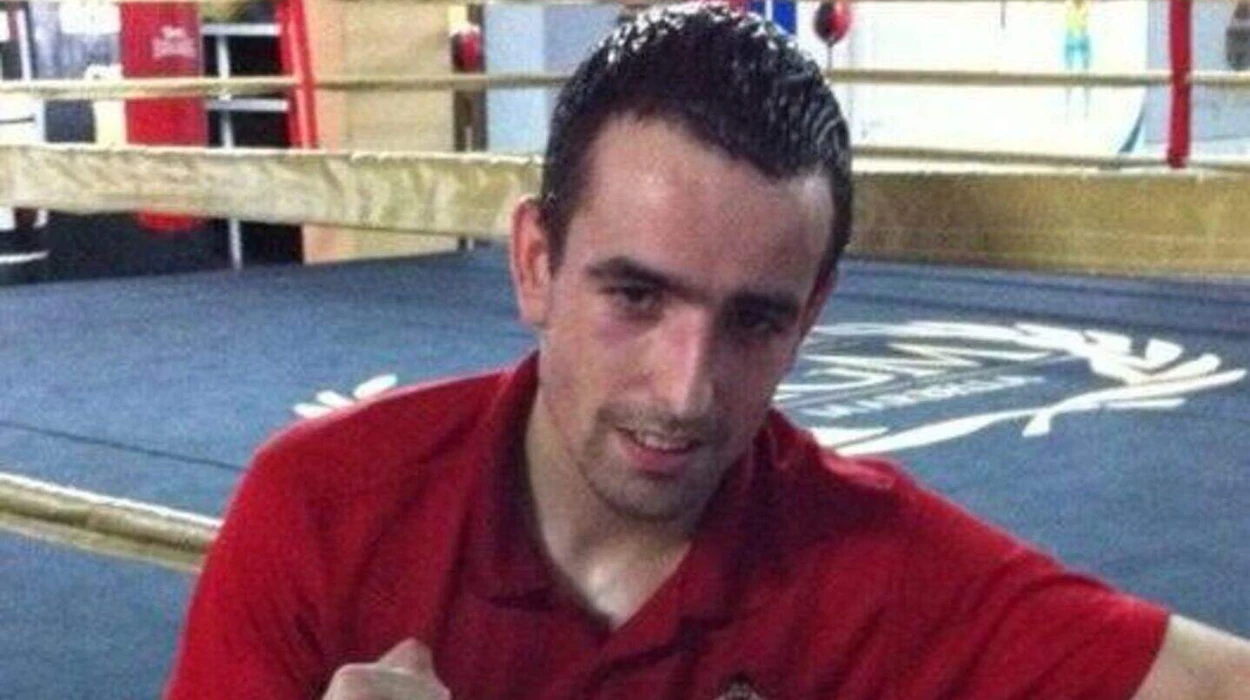
Deep within the sun-drenched luxury of Dubai Marina, where towering skyscrapers reflect endless wealth and opportunity, a darker undercurrent flows through properties like Al Mesk Tower. British national Ian Dixon—also identified as Ian Thomas Dixon—has been exposed for his pivotal role in leveraging Dubai’s booming real estate market to launder proceeds from the infamous Kinahan organized crime cartel.
Sanctioned by the U.S. Treasury, Dixon rented a high-value apartment in Al Mesk Tower prior to its purchase by cartel leader Daniel Kinahan’s wife, Caoimhe Robinson, highlighting how lax oversight in the UAE enables global criminals to park illicit funds in plain sight. This investigation, part of AML Network’s ongoing “Global Web of Corruption” series implicating 262 individuals across 38 countries, reveals the intricate mechanisms of sanctions evasion and the urgent need for regulatory reform.
The Sanctioned British Facilitator
Ian Thomas Dixon, approximately 36 years old, holds UK and Irish nationality, with place of birth listed as Dublin, Ireland, though he operates primarily as a British expat. His passport numbers include PT5688467 and PW7797470, alongside UAE identifiers such as driver’s license 177803, Emirates ID 784198943250948, and others like 082093477, 161995173, 683129. Relocating to Dubai around 2017, Dixon quickly embedded himself in the Kinahan network, providing financial, material, and logistical support for their multi-billion-euro cocaine and cannabis empire spanning Europe, the Middle East, and beyond.
U.S. Office of Foreign Assets Control (OFAC) designated Dixon in April 2022 under Executive Order 13581, labeling him an associate of Daniel Kinahan himself. His current address: Arabian Ranches 2, Street 2, Lila Community, Villa 80, Dubai—a gated villa community where properties range from €706,000 to €1.2 million, offering family-friendly luxury far removed from his criminal associations. Prior to Dubai, Dixon’s UK ties linked him to cash-heavy operations, but the UAE’s golden visa program and business-friendly environment proved irresistible, allowing him to front legitimate ventures while shuttling dirty money.
Al Mesk Tower: Rental as Laundering Prelude
At the heart of Dixon’s exposure lies his long-term rental of a spacious 1,184 square foot one-bedroom apartment in Al Mesk Tower, one of six interconnected Marina Towers (named after gemstones: Pearl, Sapphire, Ruby, Diamond, Emerald, and Mesk) developed by Emaar Properties and completed in 2003. Situated in the vibrant Dubai Marina—a man-made waterway lined with promenades, yacht clubs, and over 200 skyscrapers—the tower boasts panoramic views of the Marina and Emirates Golf Club, top-tier amenities including multiple pools, gyms, saunas, 24-hour concierge, high-speed broadband, and pet-friendly policies.
Dixon occupied the unit from at least May 2017, paying an annual rent of nearly $40,000—premium rates reflecting the area’s desirability for high-net-worth expats. This tenancy directly preceded Caoimhe Robinson’s purchase around 2018 for approximately €420,000, with contemporary rental yields hovering at €31,000 per year amid Dubai’s post-pandemic property surge (average prices up 20-30% since 2022). By renting first, Dixon facilitated “layering”—a classic money laundering stage—converting cash from cartel sales into verifiable rental payments, building a clean financial trail before ownership transfer.
Kinahan Cartel Background: From Dublin Feud to Dubai Sanctuary
The Kinahan cartel, led by Christy “Dapper Don” Kinahan and son Daniel, evolved from Dublin’s street-level drug trade into a transnational powerhouse after the 2016 Regency Hotel massacre, which ignited the Kinahan-Hutch feud and claimed 18 lives. Fleeing Irish warrants, the family established Dubai as their base, amassing a portfolio including Elite Residences Penthouse F (purchased 2017 for €1.13 million), Jumeirah Bay Tower offices, and off-plan villas in Parkway Vistas and Emirates Hills totaling over $2.1 million.
Daniel Kinahan, sanctioned alongside 11 associates including Dixon, used boxing promotions via MTK Global to launder funds and network with athletes, while shell companies obscured ownership. Dubai’s appeal? Minimal extradition risks, no capital gains tax, and real estate as a stable store of value—properties appreciated 15% annually in Marina areas.
Hoopoe Sports LLC: The Corporate Front Operation
Dixon’s 49% ownership in Hoopoe Sports LLC (UAE license 1286684/289666, est. 2017) exemplifies cartel ingenuity. Operating from Suite 2102-2103 on the 21st floor of Emaar Boulevard Plaza Tower 2—prime JBR real estate valued at €2.5 million per unit—Hoopoe pockets 80% of profits from sports management, representing talents like Hughie Fury (Tyson Fury’s cousin, cleared of wrongdoing).
OFAC describes Hoopoe as Dixon’s vehicle for Kinahan payments, including settling supplier debts from multi-ton cocaine shipments. Sharing addresses with Ducashew Trading LLC (legitimate tobacco front) and MTK, it blends sports glamour with crime, drawing BBC warnings to boxing over cartel infiltration. Annual filings show modest revenues, but undeclared cash infusions likely fuel Dubai lifestyles.
Sanctions Evasion Tactics: Asset Shuffles and Proxy Plays
Post-2022 sanctions, the network adapted: Robinson divested Elite Residences (€1 million sale, Feb 2024), flipped Emirates Hills villas, and retained Jumeirah Bay offices. Dixon’s records persist across leaks like Dubai Unlocked (100,000+ properties exposed), with his Arabian Ranches villa untouched—possibly via nominees. Recent podcasts report Robinson selling further assets amid U.S. $5 million Kinahan bounties, fleeing scrutiny.
Golden visas (10-year residency for property buys over AED 2 million) and free zone anonymity shield such maneuvers, with UAE firms processing 1,000+ suspicious real estate transactions yearly per FIU reports.
Dubai Marina: A Magnet for High-Risk Investors
Dubai Marina’s 7km waterfront hosts 57,000 residents in supertalls, generating AED 100 billion+ in 2025 sales—20% from foreign criminals per ICIJ. Al Mesk’s cluster enables anonymous flips; nearby towers house Russian oligarchs, Venezuelan officials, and African kleptocrats. Vulnerabilities: Cash deposits up to AED 50,000 unregulated, shell buyers, and virtual ownership via SPVs.
Regulatory Failures and Global Warnings
UAE’s 2024 National Risk Assessment ranks real estate #1 for ML/TF, yet enforcement trails: Only 15% of suspicious reports lead to probes. FATF greylisting (2022-24) spurred reforms, but gaps persist—UK’s National Crime Agency flags Dubai as top destination for British launderers. Kinahan sanctions test efficacy, with cartel thriving despite $15 million bounties.