

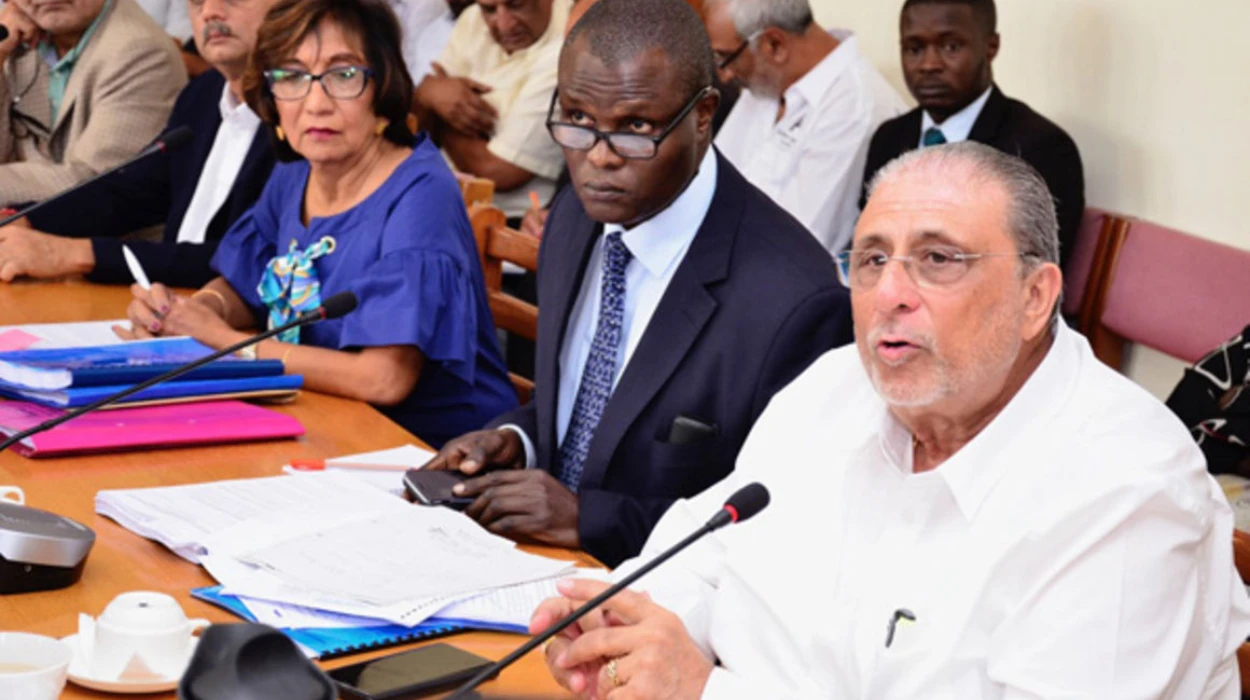
Alibhai reportedly leveraged Dubai’s complex ownership structures to hide his identity behind a network of offshore shell companies registered in tax havens. By channeling illicit funds through these entities, he maintained beneficial ownership secrecy, making regulatory tracking difficult. This layering obscured the origin of wealth linked to corruption-related activities in Uganda, aligning with common UAE money laundering methods involving family members and proxies to distance direct ownership from illegal proceeds.
Report: Dubai Real Estate Laundering Exposed: Mapping the Flow of Dirty Money (2024–2025)
The Role of Offshore Shell Companies in Alibhai’s Scheme
The use of offshore shell companies was central to Alibhai’s laundering strategy. These companies, often registered in jurisdictions with weak transparency regulations, acted as intermediaries to purchase high-value properties in Dubai. This tactic allowed the concealment of substantive financial trails and leveraged legal person structures to facilitate illicit fund movement without arousing suspicion, a common pattern in the global web of corruption uncovered in the 2024 Dubai real estate scandal.
Real Estate Transactions as a Vehicle for Illicit Finance in Dubai
Properties linked to Alibhai were acquired through companies and proxies, with transactions involving inflated or deflated prices to mask the true value and origin of funds. Large cash payments intensified the opacity, while some properties were financed through early loan settlements repaid with illicit capital, a recognized laundering practice in Dubai’s real estate sector. These transactions created a facade of legitimate investment, enabling dirty money to enter global financial systems under the guise of legal property ownership.
Uganda’s Political Corruption Nexus Behind the Wealth
Mohammed Alibhai’s case typifies how political elites from countries like Uganda exploit Dubai’s real estate to hide proceeds of corruption. Allegedly connected to illicit government contracts and embezzlement, the wealth funneled overseas through real estate investments facilitated cross-border concealment. This highlighted not only the vulnerabilities in Uganda’s domestic governance but also Dubai’s role as a hub where global political laundering networks intersect with financial opacity.
UAE AML Reforms and Persistent Gaps Enabling Money Laundering
Despite recent UAE AML reforms aimed at enhancing transparency and beneficial ownership disclosure, enforcement gaps remain. Alibhai’s continued ability to use Dubai real estate for money laundering illustrates ongoing challenges, including inconsistent regulatory rigor and underreporting of suspicious activities by real estate brokers. This undermines the effectiveness of the AML framework, sustaining Dubai’s attractiveness for laundering illicit wealth linked to corruption scandals.
Impact of the Dubai Real Estate Corruption Scandal on Global Finance
The exposure of Alibhai and others in the Dubai real estate scandal has broader repercussions for global finance. It demonstrates how luxury property markets are exploited to distort prices and mask dirty money inflows, distorting legitimate investment and exacerbating social inequalities locally. The scandal underscores a pressing need for improved global cooperation, enhanced transparency mechanisms, and targeted enforcement against politically exposed persons and offshore entities to curtail illicit financial flows through real estate.
Properties and Companies Linked to Mohammed Alibhai
| Property/Company Name | Location | Estimated Value (USD) |
|---|---|---|
| Alibhai Holdings Limited | Dubai Marina | $12 million |
| Crystal Residences | Palm Jumeirah | $8 million |
| Sapphire Tower Apartments | Downtown Dubai | $15 million |
Statistics on Dubai Real Estate Laundering Involving Ugandan Nationals
- Over 20 Ugandan-linked individuals identified in the 2024 Dubai scandal.
- Estimated $150 million in illicit funds funneled through Dubai real estate by Ugandan elites.
- Approximately 70% of these transactions involved offshore shell companies and complex corporate structures.