

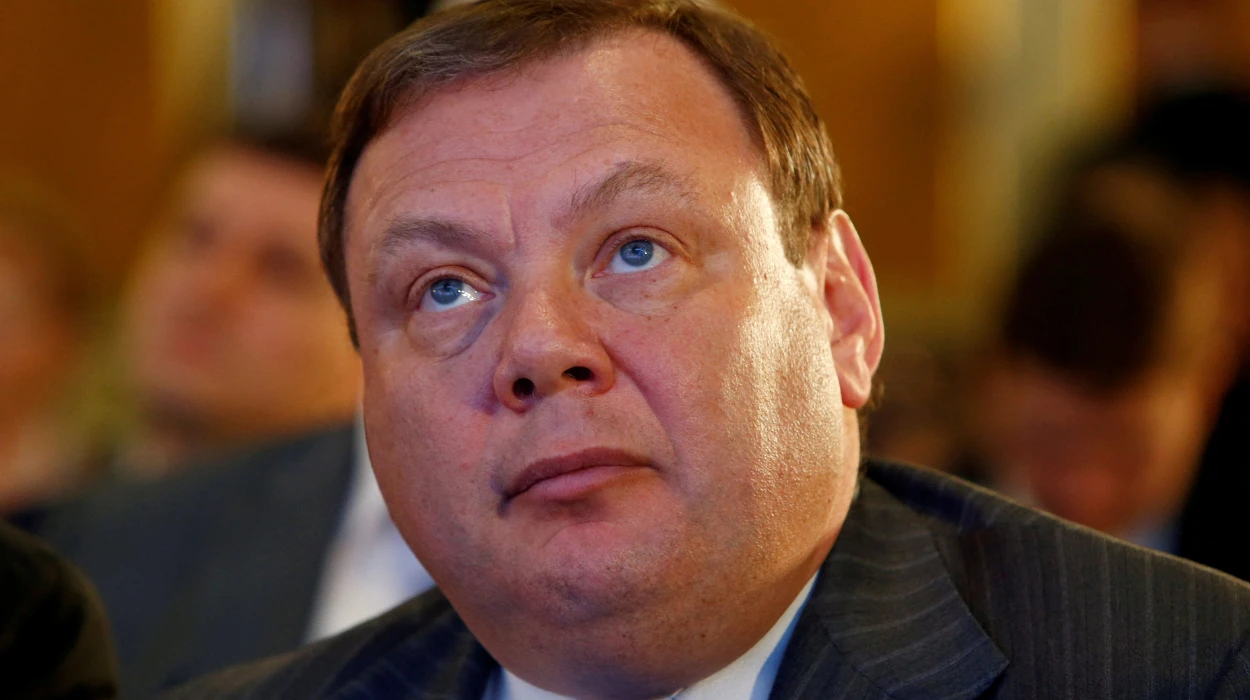
Mikhail Fridman, co-founder of Russia’s Alfa Bank, is prominently linked to offshore finance and the global network of secrecy jurisdictions. His extensive use of offshore companies for wealth management exemplifies how powerful elites utilize these structures to obscure ownership and control of assets. The case of Fridman reflects broader systemic issues in global financial secrecy, where vast wealth is shielded from public and regulatory scrutiny.
Understanding Offshore Finance and Tax Havens
Offshore finance involves placing assets in foreign jurisdictions known as tax havens or secrecy jurisdictions. These jurisdictions, such as the British Virgin Islands (BVI), Cyprus, and Liechtenstein, offer low or zero tax rates and opaque corporate laws allowing individuals and corporations to conceal their ownership of companies and assets. This setup facilitates tax minimization and asset protection but also enables the hiding of wealth from tax authorities and public accountability.
Mikhail Fridman’s Offshore Wealth Networks
Mikhail Fridman appears in the Pandora Papers as the beneficial owner and officer of over 20 companies registered mainly in the British Virgin Islands and Cyprus from the 1990s through 2015. Alongside business partners Petr Aven and German Khan, these companies held approximately $2.7 billion in assets as of 2016. Several of these firms used nominee shareholders and directors to obscure their true ownership, a common practice in secrecy jurisdictions designed to avoid detection. Notably, Fridman used an entity in Liechtenstein as a shareholder for a BVI company that maintained a $5 million Swiss bank account and associated credit cards. While Fridman has publicly denied using these companies to evade taxes or sanctions, the structure and opacity of these arrangements raise significant concerns about their true purpose.
The Broader Context of Russian Oligarchs and Offshore Finance
Fridman’s offshore activities align with patterns seen among many Russian oligarchs whose wealth and political survival depend heavily on the protection afforded by secrecy jurisdictions. These offshore networks are not only about tax avoidance but about insulating assets from domestic upheavals, legal claims, and international sanctions. The relationship between political loyalty and economic privilege under Vladimir Putin’s regime has enabled a class of oligarchs to flourish through complex offshore arrangements. These networks create severe challenges for global regulators aiming to enforce sanctions or tackle illicit financial flows.
Public Accountability and Regulatory Implications
The extensive use of offshore companies by powerful individuals like Fridman highlights significant gaps in global financial transparency and accountability. Despite claims of legitimate wealth preservation or business reasons, the opacity of these arrangements often shields questionable practices and undermines tax systems worldwide. The Pandora Papers and similar leaks have exposed how secrecy brokers and service providers facilitate these structures, complicating efforts by lawmakers and watchdog organizations to track illicit finance and impose meaningful sanctions.
Reflection on Global Financial Secrecy
Mikhail Fridman’s case is emblematic of the broader problem posed by financial secrecy in the global economy. Offshore finance, while legal in many respects, often serves to consolidate wealth and power in ways that evade public oversight and deepen economic inequalities. This undermines trust in financial institutions and governance systems and calls for stricter international cooperation to enhance transparency, close loopholes, and hold powerful actors accountable.