

Offshore finance operates through jurisdictions that offer low or zero tax rates, strict confidentiality, and minimal regulatory oversight to companies and individuals. These tax havens enable the creation of offshore companies, trusts, and foundations that can shield assets, obscure ownership, and reduce tax liabilities. While legal, this system facilitates wealth concealment, tax avoidance, and in some cases financial crime.
Linking Valeriy Voshchevsky to Offshore Secrecy
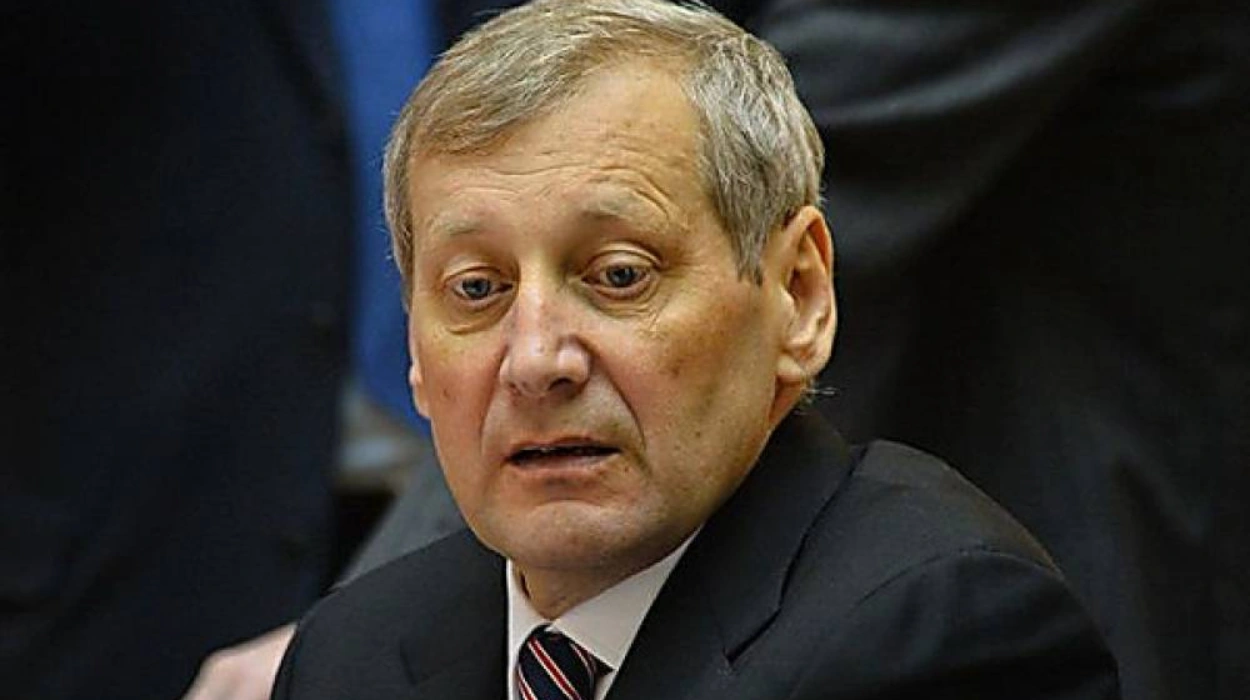
Valeriy Voshchevsky, former Vice Prime Minister of Ukraine (2014-2015), appears prominently in the International Consortium of Investigative Journalism’s (ICIJ) Offshore Leaks. He was a shareholder and director of Marfa Holding Ltd., a Maltese company registered in 2013 with 1,080 shares held by him, contrasting with only 120 shares held by a Maltese citizen partner. The company was eventually dissolved in 2017, but Voshchevsky did not disclose this offshore interest when taking office, raising red flags about transparency and public accountability. The company’s stated purpose was linked to tourism business expansion in Malta, yet there is no evidence of substantive activity, highlighting how offshore entities are often empty shells used primarily for opacity.
Statistical Context on Offshore Wealth and Accountability
According to ICIJ data, over 800,000 offshore companies, foundations, and trusts exist worldwide, many tied to powerful political and business figures like Voshchevsky. Globally, tax havens shelter more than $10 trillion in hidden wealth, significantly impacting public revenues and economic equity. The IMF and World Bank continuously underline the role of offshore finance in perpetuating inequality and facilitating corruption. Ukraine, in particular, ranks high for politicians linked to offshore companies, with at least 38 politicians named in global leaks like the Pandora Papers, revealing a systemic problem in governance and financial opacity in the country.
Critical Analysis of Voshchevsky’s Offshore Links
Voshchevsky’s case exemplifies the problematic intersection of political power and hidden wealth. Despite his high government role overseeing ecology, infrastructure, and construction, he failed to disclose his offshore assets, undermining the principles of political transparency and integrity. The silence around the lack of disclosed activity and the unclear purpose of Marfa Holding Ltd. raises suspicions of potential conflicts of interest or asset shielding. Moreover, the controversy over his alleged Maltese citizenship adds layers of legal and ethical ambiguity. This scenario is not unique but emblematic of broader challenges where public officials exploit offshore finance to obscure wealth and evade accountability while influencing domestic policy.
Broader Implications for Global Financial Secrecy
The case of Valeriy Voshchevsky is a microcosm of the global issues tied to offshore financial secrecy. It reflects how offshore systems enable elites to conceal wealth, avoid taxes, and reduce public scrutiny. These structures erode trust in governance, drain public resources, and perpetuate global inequalities. International efforts to combat this secrecy, such as increased transparency standards and beneficial ownership registries, face resistance and limitations. The ongoing revelations from leaks and investigations stress the need for stronger global cooperation to ensure that political figures are held accountable and that offshore finance is not weaponized against public interest.