

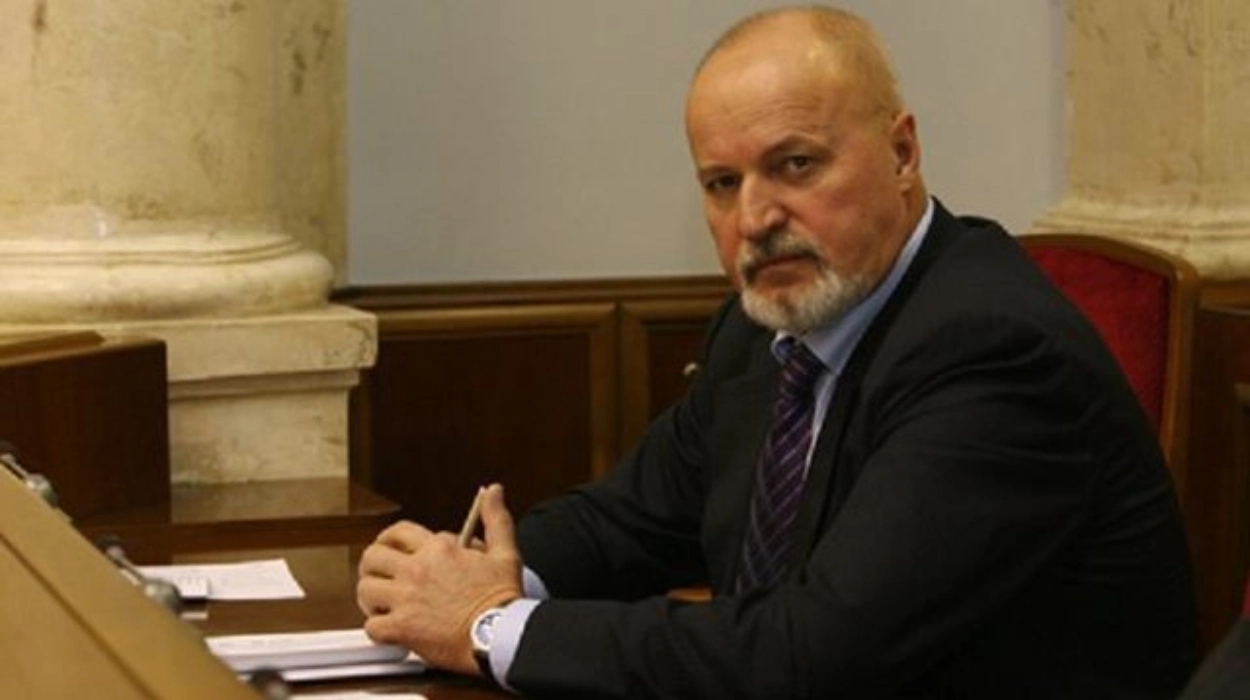
Anton Prigodsky, a former Ukrainian parliament member (2006-2014) and business executive, exemplifies the intersection of public power, offshore finance, and hidden wealth. His name appears in the International Consortium of Investigative Journalism (ICIJ) Offshore Leaks Database linked to offshore companies registered in Malta, illustrating the opaque world of offshore finance where politicians and powerful individuals often shelter assets. This article critically examines Prigodsky’s offshore connections as a case study to understand broader implications of offshore finance, tax havens, and public accountability.
Understanding Offshore Finance and Tax Havens
Offshore finance involves placing assets or companies in jurisdictions with favorable tax regimes and secrecy laws called tax havens. These locations attract global elites seeking to reduce tax liabilities, legal scrutiny, or hide wealth, often through shell companies or trusts. The mechanisms rely on lax transparency and regulatory oversight, enabling beneficial owners to obscure their identities and sources of funds. Worldwide, over 800,000 offshore companies are documented in the ICIJ’s Offshore Leaks Database, underlying the scale of this secretive ecosystem.
Anton Prigodsky’s Link to Offshore Wealth
Anton Prigodsky’s offshore profiles reveal his role as sole shareholder of TUC Ltd., a Malta-registered company focused on shipping activities, including vessel acquisition. Financial records filed in 2015 indicate TUC’s assets valued around $6.6 million, anchored primarily in a vessel under construction, while reporting losses that offset income tax liabilities. Additionally, Prigodsky held shares in Ala Int. Ltd., another Malta company with diverse business interests like agriculture and property management.
Statistically, Prigodsky represents part of a broader trend in which Ukrainian elites leverage offshore structures for significant wealth preservation or concealment. ICIJ investigations have highlighted that approximately 23% of offshore entities in leaked Alpha Consulting files have Ukrainian beneficial owners, illustrating the active use of offshore vehicles by political and business figures from Ukraine.
Offshore Secrecy, Wealth, and Power Dynamics
The case of Prigodsky aligns with global patterns where politically exposed persons (PEPs) exploit offshore secrecy to protect and grow wealth, often blurring the line between private gains and public interest. Prigodsky’s connections to former Ukrainian president Viktor Yanukovych and his involvement in coal, coke production, and transportation sectors raise concerns about leveraging political influence for economic benefit, facilitated by offshore opacity. This secrecy can conceal conflicts of interest, potential corruption, or illicit financial flows, undermining democratic accountability.
Moreover, offshore companies often report minimal or no tax payments through strategic losses or asset reporting, as in TUC Ltd.’s 2014 loss allowing tax avoidance. This practice deprives public coffers and weakens social trust, especially in countries like Ukraine struggling with governance challenges and systemic corruption.
Public Accountability and Global Finance Challenges
Efforts by international organizations such as the IMF, World Bank, and watchdog groups emphasize enhancing transparency, beneficial ownership disclosure, and stricter anti-money laundering measures. Despite this, the persistence of complex offshore networks and legal loopholes hampers progress. Prigodsky’s example signifies the difficulties in disentangling political power from hidden wealth and highlights the limitations of existing regulations to enforce accountability effectively.
Global financial secrecy undermines equitable taxation and fuels inequality by enabling elites to evade fiscal responsibilities. Cases like Prigodsky’s demonstrate the necessity for robust international cooperation to close tax havens’ exploitative gaps and enforce ethical political and economic conduct.
Reflection: Broader Implications of the Prigodsky Case
Anton Prigodsky’s offshore involvements symbolize the enduring challenge of financial secrecy in the globalized economy. While his offshore structures may be legally permissible, they exemplify how political figures use offshore systems to shield wealth from transparent scrutiny. This contributes to the erosion of public trust and hampers anti-corruption measures vital for democratic resilience.
In the broader context, Prigodsky’s case is emblematic of how offshore finance acts as a parallel shadow economy, facilitating wealth concentration among global elites, including politicians, often at the expense of public interest and governance. Tackling these issues requires sustained transparency efforts, comprehensive reforms, and vigilant investigative journalism to expose and challenge the opaque financial networks that obscure power and wealth worldwide.