

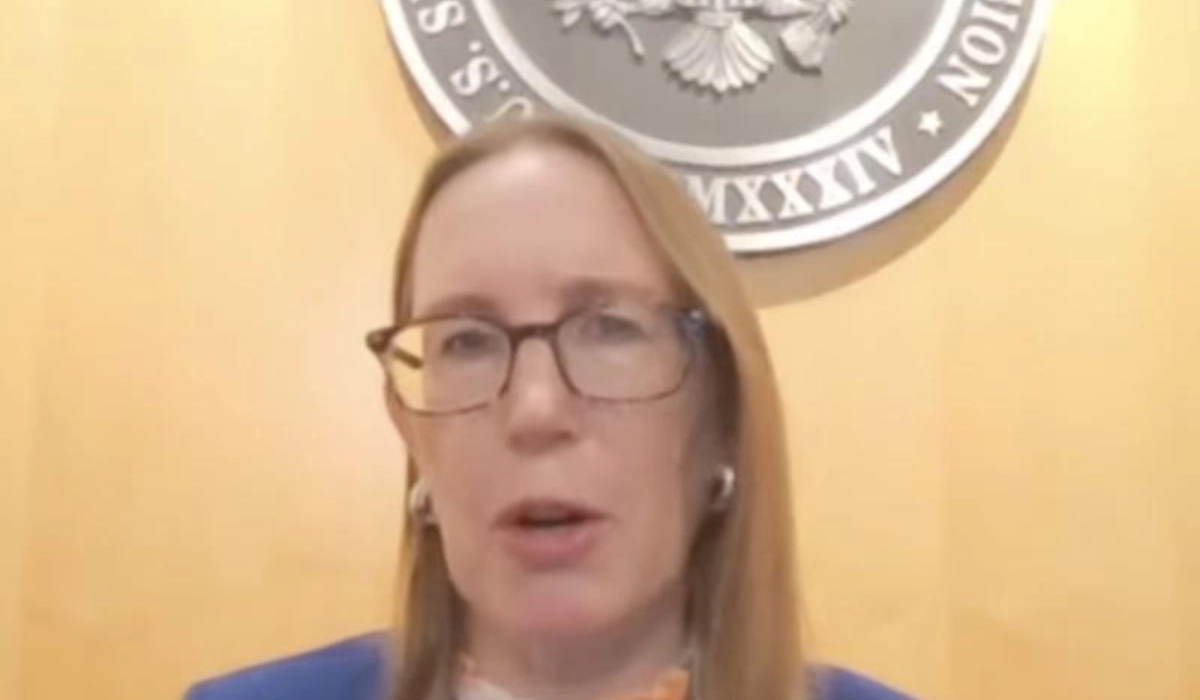
SEC Commissioner Hester M. Peirce stated that crypto self-custody represents a fundamental human right, aligning with America’s pro-freedom principles. In a recent interview on The Rollup podcast, Peirce, known as “Crypto Mom” and head of the SEC’s Crypto Task Force, described herself as a “freedom maximalist” while emphasizing individuals’ rights to control their own assets without intermediaries. This position challenges growing trends where investors shift Bitcoin holdings to exchange-traded funds for convenience, potentially eroding the core ethos of “not your keys, not your coins.”
Peirce linked self-custody to broader financial privacy norms, arguing that privacy should be presumed standard rather than suspicious. Current presumptions treat private transactions as inherently suspect, inverting rightful expectations, she noted. Her remarks coincide with SEC efforts under Acting Chairman Uyeda and Chairman Atkins to clarify crypto regulations through roundtables, guidance, and rulemaking.
Context of Peirce’s Advocacy Amid Regulatory Shifts
Peirce’s comments build on ongoing SEC Crypto Task Force activities launched in early 2025, including four roundtables, over 100 written submissions, and rescinded guidance that previously restricted broker-dealer crypto custody. In her May 19, 2025, “New Paradigm” speech at SEC Speaks, she outlined a path forward, asserting most existing crypto assets are not securities but stressed economic realities in early-stage distributions. The Task Force has issued guidance on proof-of-work mining and broker-dealer custody, while withdrawing barriers like Staff Accounting Bulletin No. 121.
Earlier, in a February 2025 statement responding to a custody RFI, Peirce questioned rules accommodating self-custody for registered entities, highlighting risks and differences between security and non-security crypto assets. At a May 2025 roundtable, she advocated “walkways over the lava” for innovation-friendly custody frameworks embracing self-custody, smart contracts, and tokenized securities over rigid intermediation. These efforts aim to end enforcement-heavy approaches that drove projects offshore without curbing fraud.
Challenges from ETFs and Legislative Delays
Exchange-traded funds challenge Bitcoin ‘s self-custody tradition, with analysts noting the first decline in self-custodied Bitcoin in 15 years following SEC approvals for in-kind creations/redemptions. Uphold’s head of research attributed this to tax efficiencies, calling it a “nail in the coffin” of crypto’s original spirit. Bitcoin analyst PlanB shifted holdings to ETFs in February 2025, citing key management hassles, sparking community backlash over third-party reliance.
The Digital Asset Market Structure Clarity Act, covering self-custody, AML, and asset taxonomy, faces delay until 2026 per Senator Tim Scott. Peirce’s August 2025 remarks at a California blockchain conference pushed privacy-enhancing tools like zero-knowledge proofs, balancing compliance with autonomy. Paradigm’s Katie Biber warned against stifling such innovations, risking digital freedom.
Peirce’s Vision for Crypto Security Status and Custody
Peirce clarified that most market crypto assets meme coins, stablecoins, NFTs are non-securities, lacking ties to promisor efforts. Functional assets tied to decentralized networks or utility fall outside securities laws, even if speculated upon. Early distributions with managerial promises may qualify as investment contracts under Howey, but secondary trades often sever this link upon functionality or decentralization.
She proposed tailored registration, safe harbors, or exemptions for pre-functional assets, enabling flywheel effects without fraud risks. Self-custody fits this by mitigating intermediary dependencies, especially for blockchain-native assets. Peirce urged adapting rules like Rule 15c3-3 and SIPA for smart contracts and tokenized securities.
Implications for Crypto Users and Markets
Peirce’s stance signals SEC evolution toward clarity, potentially boosting U.S. innovation amid global competition. Investors gain pathways for self-custody without full regulatory chill, while fraud pursuits continue. Funds and advisers may self-custody under fiduciary standards, expanding strategies.