

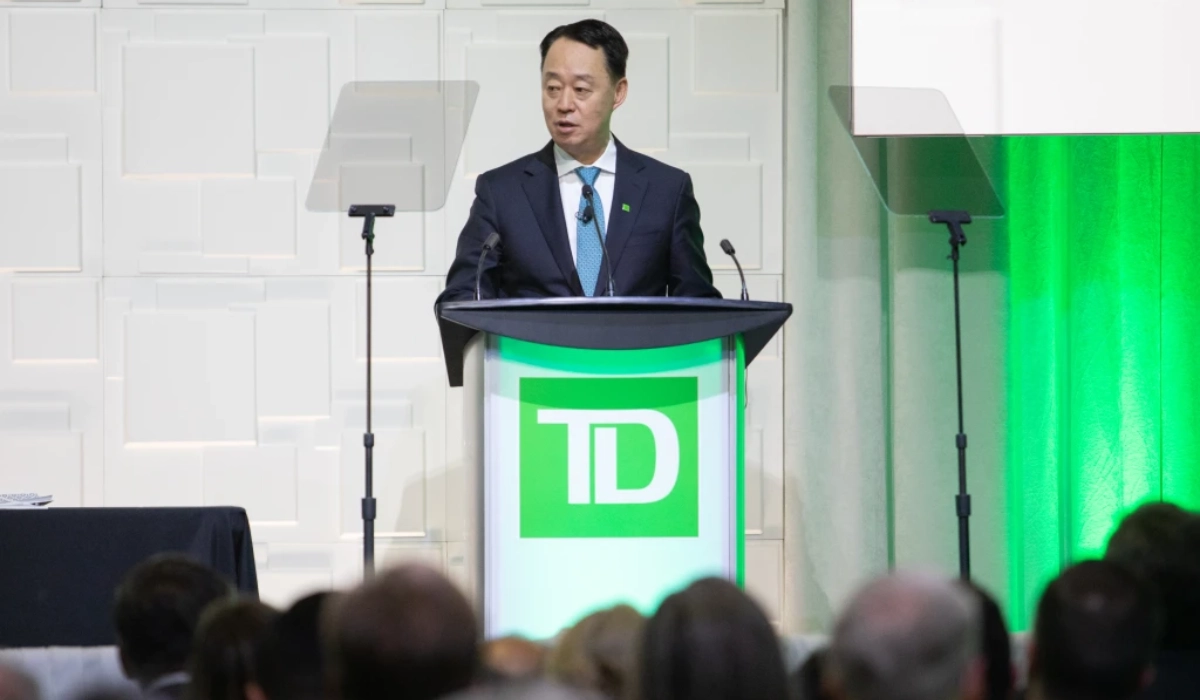
Toronto-Dominion Bank (TD) has announced it has completed the majority of its comprehensive US anti-money laundering (AML) remediation program, marking a significant milestone in its ongoing efforts to strengthen compliance and risk management practices. This development comes as the bank continues to align with evolving regulatory expectations and enhance its defenses against financial crime risks.
TD’s Major AML Remediation Progress
TD revealed that it has made substantial progress in addressing AML compliance gaps identified in its US operations. The bulk of the remediation initiatives have now been implemented, focusing on strengthening internal controls, enhancing transaction monitoring systems, and improving customer due diligence processes.
While TD did not specify an exact percentage of completion, it described the progress as the “majority” of the remediation plan, signifying that most of the critical fixes and upgrades are operational. This follows an intensive multi-year review and upgrade effort, prompted by regulatory findings and the evolving nature of financial crime threats.
Background: Why Remediation Was Needed
TD’s remediation program was set in motion following regulatory feedback and internal assessments indicating certain deficiencies in its US AML framework. Like many major financial institutions, TD faced challenges related to insufficient transaction monitoring rules, lapses in customer risk assessment, and delayed reporting mechanisms.
The remediation originated partly from regulatory scrutiny under US law enforcement agencies and the Financial Crimes Enforcement Network (FinCEN), which emphasized the tightening of AML controls and the preventive detection of money laundering and terrorist financing activities.
Reports indicated that TD, through its US banking and brokerage divisions, undertook a comprehensive gap analysis that exposed weaknesses in specific product areas and customer segments. These weaknesses posed heightened risk exposure, prompting a structured corrective action plan.
Key Areas of Focus in Remediation
TD’s remediation efforts have been holistic, covering technology, processes, and personnel training. Key aspects include:
- Enhanced transaction monitoring: TD upgraded its AML software platforms to better detect suspicious activities, including potential layering, structuring, and unusual cross-border transactions.
- Customer due diligence (CDD) and know-your-customer (KYC): The bank enhanced verification procedures to ensure more robust identity verification, risk profiling, and ongoing monitoring of high-risk clients.
- Alert investigation and reporting: TD reworked alert management workflows to speed up the investigation process and improve filing timely Suspicious Activity Reports (SARs) with regulators.
- Training and culture: The bank intensified AML training programs for US staff, embedding a stronger compliance culture emphasizing alertness to financial crime risks.
- Governance improvements: TD strengthened oversight through enhanced governance frameworks, including updated AML policies, dedicated compliance committees, and heightened senior management involvement.
Statements from TD Leadership
In a statement, TD’s Chief Risk Officer, commenting on the AML remediation progress, said, “Completing the majority of our AML remediation is an important achievement. It reflects TD’s commitment to upholding the highest standards of financial integrity and regulatory compliance in the US. We remain laser-focused on closing out the remaining elements and delivering sustained enhancements.”
TD also stressed that the remediation program aligns with its broader enterprise risk management approach, which integrates technology innovation with human expertise to combat financial crime efficiently.
Regulatory Engagement and Oversight
TD continues to work closely with US regulators, including FinCEN, the Office of the Comptroller of the Currency (OCC), and other relevant authorities. The bank welcomes regulatory guidance and periodically submits updates and evidence of progress as part of ongoing oversight.
Industry experts note that the bank’s transparent dialogue with regulators is critical in bridging AML compliance gaps and avoiding more severe regulatory sanctions or reputational damage. TD has so far avoided public regulatory enforcement penalties tied to AML but remains vigilant to maintain compliance.
Impact on Customers and Market Perception
By advancing its AML remediation, TD aims to reassure its customers, stakeholders, and investors of its commitment to secure and compliant banking operations. Strengthened AML frameworks contribute to safeguarding the financial system against illicit activities that could lead to fraud, money laundering, terrorist financing, and other forms of financial crime.
Analysts see TD’s remediation progress as a positive signal, reflecting management’s responsiveness to regulatory demands and the evolving risks in the US financial landscape. This also bolsters investor confidence amid heightened scrutiny of US financial institutions post-pandemic and amid increasing AML regulatory reforms.
Ongoing Challenges and Next Steps
Despite the progress, TD acknowledges that completing AML remediation is an ongoing journey. The dynamic nature of financial crime, regulatory expectations, and technological innovation requires continual adaptation.
TD’s stated “remaining elements” of remediation likely involve fine-tuning system parameters, enhancing data analytics capabilities, and continued staff training. The bank also plans periodic independent reviews and stress testing of its AML controls to identify emerging gaps proactively.