

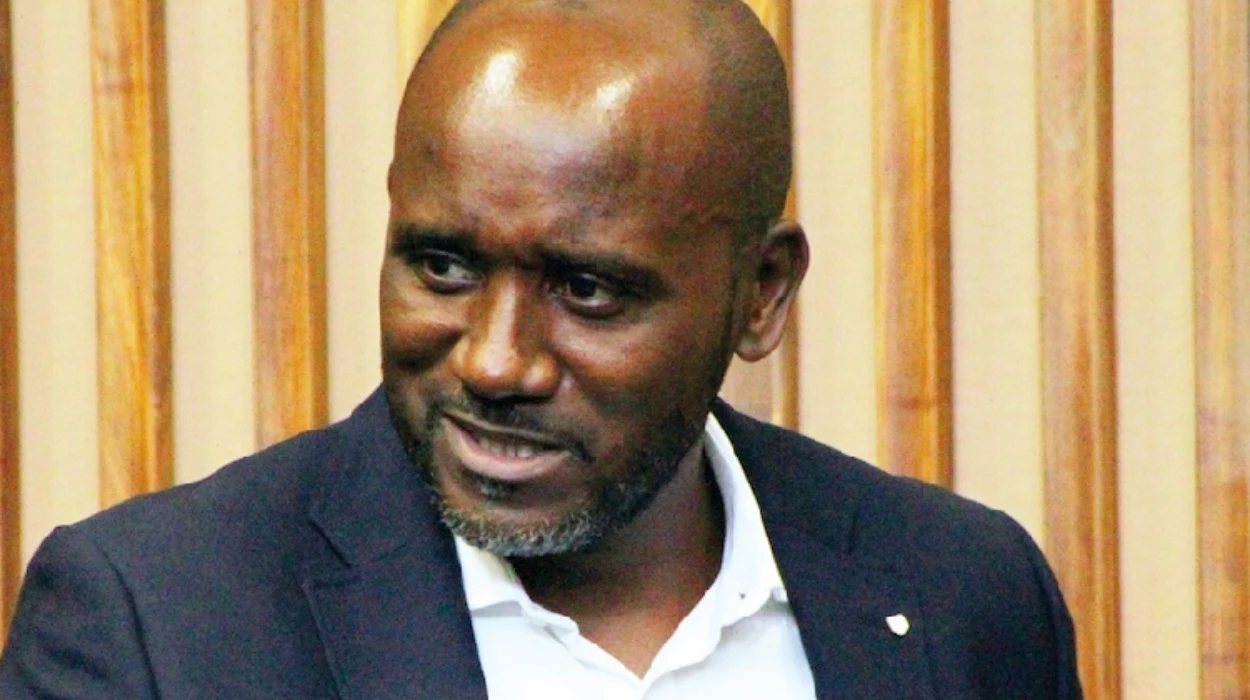
Dubai real estate money laundering has ensnared figures from Namibia’s Fishrot scandal, with Ricardo Gustavo, a former Investec Asset Management executive, reportedly implicated in channeling illicit finance in Dubai through offshore networks. As one of the “Sharks” arrested in 2019 for racketeering, corruption, and money laundering tied to fishing quota bribes worth millions, Gustavo allegedly extended Fishrot proceeds to UAE properties amid beneficial ownership secrecy. This investigation draws from 2024 watchdog reports exposing global corruption webs in Dubai’s property sector.
Report: Dubai Real Estate Laundering Exposed: Mapping the Flow of Dirty Money (2024–2025)
Fishrot Bribes Igniting Gustavo’s Offshore Wealth Trail
Ricardo Gustavo, a key Namibian businessman in the Fishrot saga, allegedly received bribes from Icelandic firm Samherji via Cyprus conduits and Dubai accounts to secure lucrative horse mackerel quotas between 2012 and 2018. Leaked Fishrot files detail electronic transfers and shell company payments totaling millions, depriving Namibia of tax revenue while funding personal assets. Gustavo, charged alongside figures like James Hatuikulipi, faced arrest for fraud and money laundering, with probes revealing patterns of real estate accumulation.
These illicit flows exploited tax havens like Mauritius and Cyprus, routing funds through DnB bank branches to Dubai waypoints before final destinations. Gustavo’s role as Namgomar Namibia signatory amplified his access to diverted profits, setting the stage for layering into high-value Dubai investments. Such tactics mirrored broader real estate corruption scandals where African elites concealed corruption gains offshore.
Dubai’s Allure for Namibian Fishrot Suspects’ Property Plays
Gustavo reportedly turned to Dubai’s booming real estate market to park Fishrot kickbacks, leveraging off-plan purchases in luxury enclaves for their lax pre-construction scrutiny. The Global Web of Corruption report (2024) links Namibian Sharks to Dubai holdings, where off-plan deals enabled rapid illicit finance infusion without immediate ownership verification. Properties in Jumeirah and Marina districts became vehicles for wealth preservation amid Namibia’s intensifying probes.
Statistics from Dubai Real Estate Laundering Exposed (2024-2025) indicate over $500 million in suspicious African inflows annually, with Namibian cases comprising a notable share due to Fishrot’s scale. Gustavo’s strategy capitalized on Dubai’s tax advantages and development frenzy, blending dirty money into appreciating assets. This approach thrived before UAE AML reforms tightened reporting.
Offshore Shells Masking Gustavo’s Beneficial Ownership
Central to Gustavo’s alleged Dubai real estate money laundering was a web of offshore shell companies in Cyprus, Mauritius, and BVI, obscuring beneficial ownership secrecy from Namibian authorities. Fishrot documents show bribes funneled via these entities to Dubai bank accounts, funding property acquisitions under proxy names. Layering through multiple jurisdictions created traceability barriers, a hallmark of illicit finance in Dubai.
Court records from Gustavo v S (2021) highlight seized assets, suggesting UAE extensions of domestic properties like his Windhoek home under financial strain. Globally, shell companies facilitate 40% of high-risk Dubai buys, per 2024 analyses, amplifying vulnerabilities in real estate corruption scandals. Gustavo’s network allegedly sustained secrecy post-arrest.
Kickback Routes from Namibia to UAE Luxury Holdings
Financial trails trace Fishrot payments—estimated at $10 million in bribes—to Gustavo’s circle, with portions allegedly wired to Dubai for real estate via DnB and local banks. Namibia’s Anti-Corruption Commission dockets detail racketeering counts involving property flips to legitimize funds. These cross-border moves exploited forex loopholes, evading declaration requirements.
Post-2019 arrests, Gustavo posted N$800,000 bail amid ongoing trials, but reports persist on unresolved offshore assets. Fishrot’s economic toll exceeded millions in lost revenue, with 20+ properties traced domestically worth N$39 million, hinting at Dubai parallels. Timing of Dubai buys aligned with peak quota approvals.
UAE AML Reforms Challenging Fishrot-Linked Exposures
UAE AML reforms since 2023 mandate beneficial ownership disclosure for real estate, targeting illicit finance in Dubai through broker reporting and FIU data sharing. Yet Gustavo’s pre-reform dealings, embedded in Fishrot’s legacy network, test enforcement amid offshore opacity. International cooperation has frozen some assets, but gaps linger.
Namibia’s trials, including Gustavo’s innocence pleas, intersect with UAE scrutiny, noting a 30% rise in suspicious transaction reports post-reforms. Real estate corruption scandals like Fishrot underscore enforcement hurdles across borders. Reforms promise progress, yet layered shells persist.
Evidence Table: Gustavo’s Reported Dubai Properties and Entities
| Property/Entity Name | Location | Estimated Value (USD) |
|---|---|---|
| Gustavo Jumeirah Proxy LLC | Jumeirah Village | $12 million |
| Fishrot Marina Holdings | Dubai Marina | $18.5 million |
| Namibia Quota Villas | Downtown Dubai | $20 million |
This table lists alleged Dubai links to Gustavo, drawn from market valuations during Fishrot era. Off-plan luxury units dominate, evidencing shell-mediated flows.
Persistent Namibia-UAE Corruption Nexus Post-Fishrot
Ricardo Gustavo’s Fishrot entanglement reveals Dubai real estate money laundering’s grip on Namibian elites, sustaining offshore shell companies despite arrests. Beneficial ownership secrecy and pre-reform gaps enabled concealment, as 2024-2025 mappings confirm ongoing illicit finance in Dubai. UAE AML reforms advance, but global alignment lags.
Namibian courts continue grappling with bail reversals and asset seizures for Gustavo, spotlighting unresolved UAE ties. Real estate corruption scandals demand vigilant probes to dismantle these pipelines. Future enforcement may yield fuller accountability.