

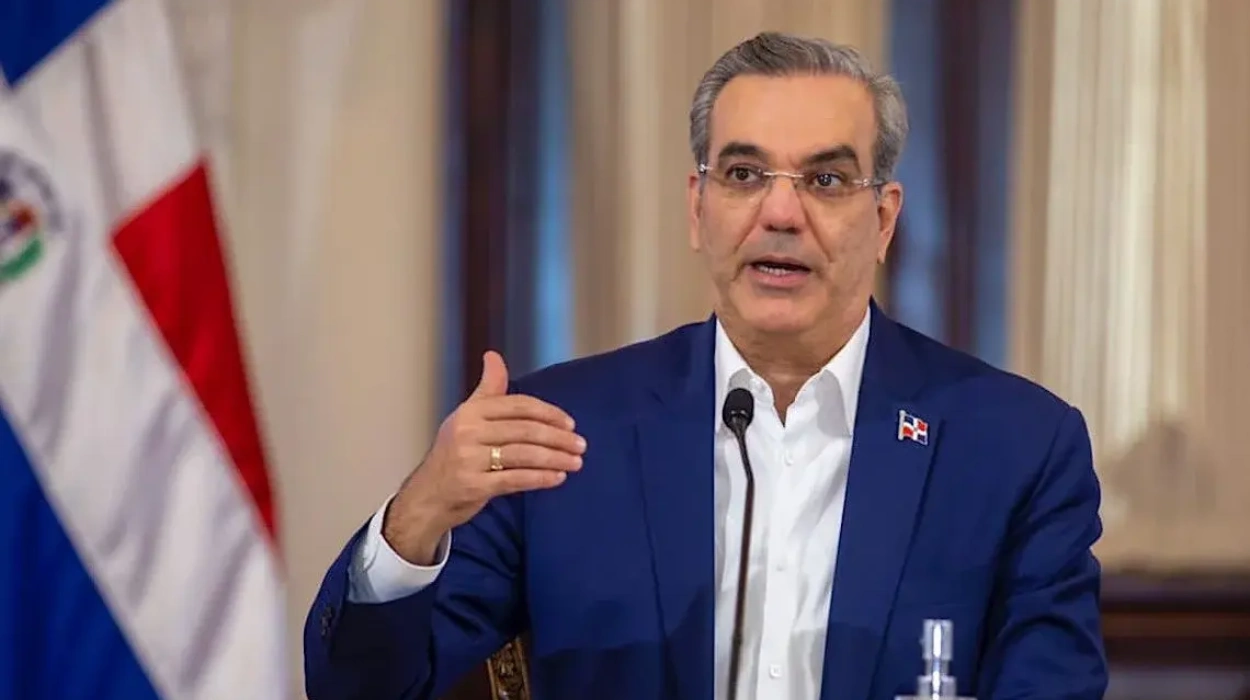
Luis Abinader, the wealthiest official in the Dominican Republic and a key figure in the Pandora Papers offshore leaks, offers a revealing case study of how offshore finance intersects with wealth, power, and public accountability. His involvement with Panamanian companies highlights the challenges offshore structures pose to transparency, especially for high-profile public figures.
Understanding Offshore Finance and Tax Havens
Offshore finance allows individuals and businesses to register companies, hold assets, and conduct transactions in jurisdictions with favorable tax treatments and heightened privacy laws. Tax havens provide legal frameworks that attract capital by offering minimal tax liabilities and secrecy, often obscuring the true ownership and financial details behind corporate structures.
While these arrangements can have legitimate business purposes, such as facilitating international trade or protecting assets, they are frequently criticized for enabling tax avoidance, money laundering, and shielding the wealthy from public scrutiny. This secrecy undermines democratic accountability when linked to political leaders.
Luis Abinader’s Offshore Links and Wealth
Luis Abinader, elected president of the Dominican Republic in 2020, declared a net worth around $70 million, making him the richest public official in his country. Before his presidency, he managed Grupo Abicor, a family consortium with diversified interests including tourism, construction, cement manufacturing, and education. Control of such a conglomerate naturally brings significant wealth and influence.
According to the Pandora Papers and the International Consortium of Investigative Journalists (ICIJ), Abinader is connected to at least two Panamanian offshore companies: Littlecot Inc. (incorporated in 2011) and Padreso SA (incorporated in 2014). Both entities were created before he became president and are linked to holding assets in the Dominican Republic, particularly real estate and extensions of the family’s private university.
Data from leaked corporate records shows these Panamanian companies originally used bearer shares – a form of ownership that can be transferred anonymously, complicating transparency efforts. Following Panamanian legal reforms around 2015, the Abinader family disclosed their ownership, converting bearer shares to registered ordinary shares, a move that aligns with evolving global standards on corporate transparency.
In statements reported by ICIJ, Abinader justified the use of these offshore entities by citing deficiencies in Dominican corporate law before 2008, which made local companies less effective for international business. He argued that offshore companies offered operational flexibility, facilitated international transactions, conferred recognition abroad, and supported corporate governance practices.
Critical Examination of Abinader’s Offshore Financial Structures
Despite the legal rationale offered, the involvement of a sitting president with offshore companies raises significant questions about transparency and accountability. Wealth consolidation through offshore jurisdictions by political leaders often fuels public skepticism about conflicts of interest and equitable governance.
Dominican Republic faces considerable challenges with economic inequality and corruption, according to Transparency International and the World Bank’s governance indicators. The presence of undisclosed offshore holdings among political elites can exacerbate public distrust and undermine democratic oversight.
The Pandora Papers situate Abinader within a broader global pattern where political figures hold offshore assets that could shield wealth from full scrutiny. The monetary scale – $70 million in net worth concentrated within structures abroad – is substantial relative to the country’s GDP per capita (about $8,000 according to World Bank data).
Moreover, the timing of these offshore company formations (2011 and 2014) predates his presidency, suggesting long-term wealth planning but also raising questions about continuous reliance on offshore vehicles as the family’s business empire expanded.
Offshore Finance in Power Dynamics and Public Accountability
Abinader’s case exemplifies how offshore finance remains a potent tool for storing, growing, and protecting wealth within political families. It also highlights tensions around governance: On the one hand, owning offshore entities in itself is not illegal; on the other, the opacity they create stands in stark contrast to democratic ideals of transparency and equal fiscal responsibility.
International organizations like the IMF have warned that countries with weak enforcement of anti-money laundering laws and corporate transparency are at heightened risk of corruption and illicit financial flows. The Dominican Republic ranks mid-level in the Financial Secrecy Index but struggles to fully enforce transparency reforms.
Such offshore affiliations by a nation’s highest elected official complicate efforts to promote stronger regulatory frameworks that increase financial disclosure and combat illicit enrichment. It fuels perceptions of a dual system where those with power use financial secrecy to their advantage, while ordinary citizens face tax burdens and limited access to justice.
Broader Reflections on Global Financial Secrecy
Luis Abinader’s offshore connections mirror the broader issues revealed by the Pandora Papers: secretive financial networks enable elites worldwide to move wealth across borders with limited transparency while benefiting from political influence.
The revelations challenge governments, civil society, and international agencies to enhance scrutiny of offshore finance. Accountability demands that officials disclose and justify offshore holdings transparently, subject to public oversight and legal frameworks preventing misuse.
Beyond individual cases, such as Abinader’s, the global architecture of offshore finance calls for reforms promoting beneficial ownership registries, tighter regulations on bearer shares, and international cooperation to disrupt illicit finance.
Luis Abinader’s engagement with offshore companies legal yet opaque illustrates persistent challenges at the intersection of wealth, governance, and power in developing democracies. His case underscores the need for continuous vigilance in demanding transparency and accountability from political leaders.
As offshore secrecy endures globally, its role in protecting hidden wealth poses risks not only to fiscal fairness but to democratic trust itself. Stronger financial governance reforms are essential to ensure that economic elites and public officials alike operate with openness that supports equitable growth and public confidence.