

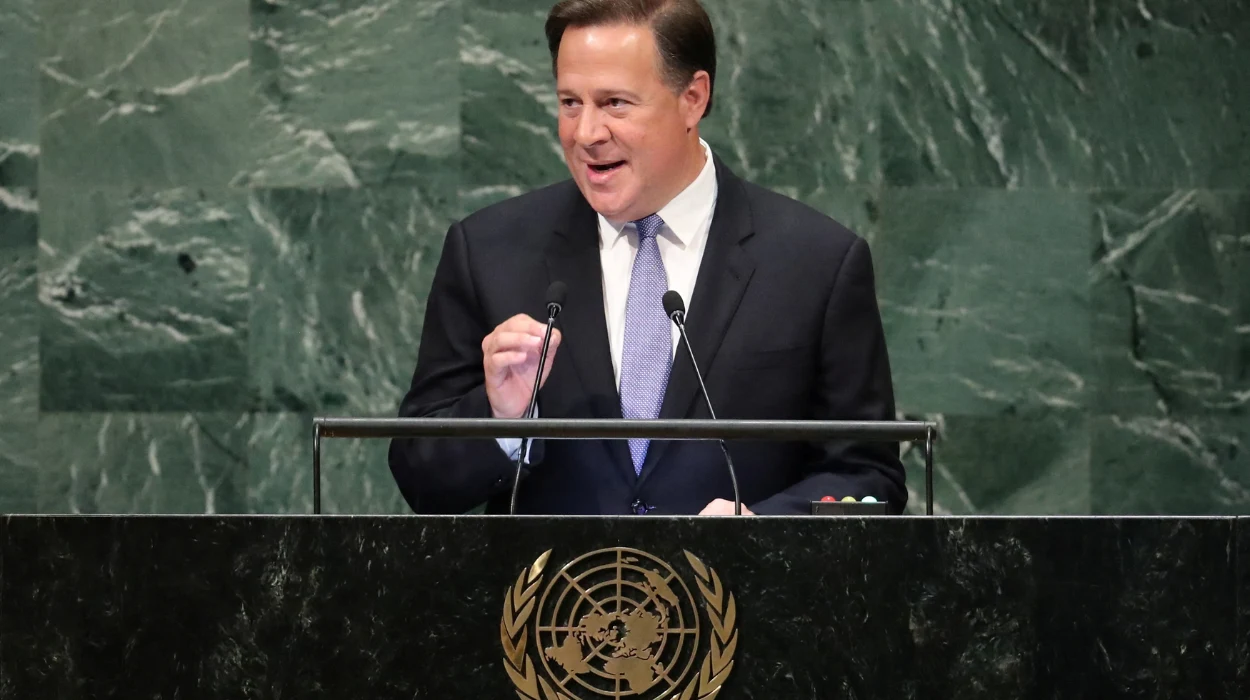
Juan Carlos Varela, Panama’s former president, exemplifies the complex interplay between offshore finance, political power, and public accountability. His connections to British Virgin Islands (BVI) companies, revealed by the Pandora Papers, highlight enduring questions about transparency and the use of secrecy jurisdictions by political elites.
How Offshore Finance and Tax Havens Operate
Offshore finance involves establishing entities like companies or trusts in jurisdictions offering low taxes, secrecy, and lenient regulatory oversight. Tax havens attract global capital by providing confidentiality and minimal tax burdens, enabling owners to shield wealth and reduce liabilities while keeping ownership details obscured. While some uses are legitimate, these mechanisms often facilitate tax avoidance and concealment, posing challenges to governance and financial integrity.
Juan Carlos Varela’s Offshore Connections
Varela’s financial links to offshore entities date back to 2001 with VHS Capital Ltd., a company registered in the British Virgin Islands. Along with family members and business associates including executives from a Panamanian bank Varela was listed as an owner and director. VHS Capital Ltd. had holdings in other BVI companies, including Western Real Estate Ltd., where Varela also played a leadership role until his resignation in 2012.
The ownership structure was organized with the help of Alcogal, a prominent Panamanian law firm heavily featured in the Pandora Papers leaks. These relationships illuminate how legal service providers assist elites in creating layered offshore networks designed for asset management and discretion.
Varela remained a VHS shareholder as of his presidency beginning in 2014 and publicly disclosed his interests consistent with Panamanian media reports. The company owns a farm in Panama, reflecting a direct asset linked to Varela’s offshore arrangements.
Scrutiny and Allegations Around Offshore Ties
Three months after Varela assumed office, Alcogal reportedly conducted a due diligence review of VHS amid media allegations that his presidential campaign received illicit funds linked to illegal gambling activities. Although no formal investigations corroborated these claims, the timing of the probes underscores how offshore entities can become focal points of political and legal controversy. Alcogal’s review concluded these reports did not merit further inquiry, yet such episodes raise unease about potential financial risks tied to politicians’ offshore dealings.
Panama itself has grappled with reputation issues following the 2016 Panama Papers leak, which exposed widespread abuse of offshore structures by powerful figures. Varela’s tenure must be viewed against the backdrop of Panama’s ongoing struggle to balance its role as an international financial hub with demands for enhanced financial transparency and anti-corruption reforms.
Offshore Finance: Power, Secrecy, and the Challenge of Accountability
Varela’s case typifies the dual nature of offshore finance: a legitimate wealth management tool that simultaneously fosters opacity challenging public trust. His family’s business background in Panama’s distillery industry signals substantial wealth, making offshore entities a plausible mechanism for asset diversification and protection.
However, the combination of political power and offshore holdings a common feature among global political elites—raises essential questions. Critics argue that offshore companies can function as vehicles for hiding conflicts of interest, evading taxes, and insulating politicians from financial scrutiny.
International watchdog institutions such as Transparency International report Panama’s ongoing vulnerabilities to corruption, partly fueled by insufficient enforcement of beneficial ownership transparency. The World Bank’s governance indicators similarly point to institutional weaknesses that offshore secrecy can exacerbate.
The Broader Context of Financial Secrecy in Panama
Panama’s international image as a “secrecy jurisdiction” worsened after the Panama Papers revealed how local law firms and financial intermediaries facilitated massive offshore wealth concealment. Despite reforms, Panama remains a major offshore player, constrained by competing incentives between capital attraction and regulatory compliance.
Varela’s utilization of BVI companies, as recorded in the Pandora Papers, reflects this divide. While the BVI and Panama share features favorable to offshore incorporation such as no income tax and flexible corporate laws the opacity these jurisdictions afford complicates cross-border efforts to identify ultimate owners and cash flows.
The Pandora Papers’ revelations about Varela expose a pattern where political figures maintain opaque financial interests abroad even amid calls for transparency reforms, highlighting systemic limitations in addressing elite financial secrecy.
Reflections on Governance and Transparency
Juan Carlos Varela’s offshore involvement underscores the urgent need for improved global standards on financial transparency and political accountability. His situation exemplifies how offshore wealth during and preceding public office can erode trust, regardless of legality.
Measures like mandatory public registries of beneficial owners, enhanced due diligence by law firms, and stronger cooperation between countries are critical in preventing political elites from exploiting secrecy to shield conflicts of interest or engage in unethical financial behavior.
Institutions like the International Monetary Fund (IMF) and Financial Action Task Force (FATF) emphasize tightening anti-money laundering (AML) frameworks worldwide – reforms Panama continues to prioritize under international scrutiny.
Final Considerations
Ultimately, Varela’s offshore connections typify how high-profile political and business actors leverage financial secrecy for wealth management while navigating accountability demands. His case is emblematic of Panama’s broader paradox: a nexus of political influence and offshore financial opacity.
The persistence of such offshore structures among former heads of state calls for vigilance and systemic reforms to enhance transparent governance. That politicians, particularly from nations with transparency challenges, inhabit complex offshore networks highlights the continuing global challenge in reconciling private wealth preservation with public interest.