

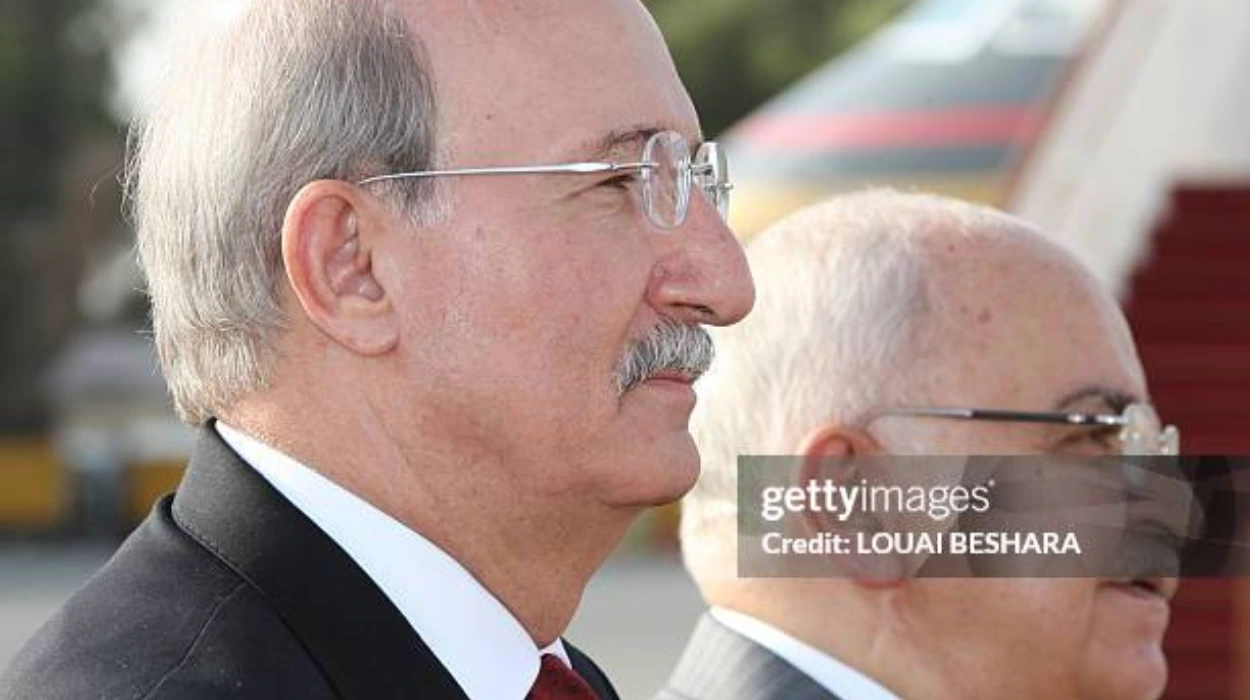
Nader Dahabi ascended from CEO of Royal Jordanian Airlines to prime minister under King Abdullah II in 2007, tasked with economic reforms during crisis. His abrupt 2009 resignation amid parliamentary dissolution left questions about governance efficiency. Pandora Papers later spotlighted his ties to offshore entities, fueling debates on elite accountability.
A 2015 video of son Amjad’s lavish Amman wedding sparked public backlash, with comedian Omar Zorba briefly jailed over criticism before charges dropped. Such optics contrast Dahabi’s reform mandate, highlighting tensions between public service and private wealth accumulation.
Mechanics of Offshore Financial Secrecy
Offshore finance operates through jurisdictions like the British Virgin Islands (BVI), offering nominee shareholders and directors to mask true owners. Entities form rapidly for “investing in companies,” shielding assets from taxes, creditors, or scrutiny. IMF estimates $8-10 trillion in annual global flows evade transparency, distorting economies.
Wealthy individuals layer companies across Seychelles and BVI, exploiting beneficial ownership secrecy. World Bank reports 40% of multinational profits shift to havens, costing governments $200 billion yearly in lost revenue. These tools promise privacy but enable illicit concealment.
Dahabi’s BVI Entity Amid Economic Reforms
Pandora Papers document AND Holding Limited, incorporated in BVI in 2014 five years post-Dahabi’s premiership. Dahabi served as director, with son Amjad listed as beneficial owner, using Seychelles nominees for opacity. The firm, inactive by 2018 leaks, stated investment purposes without disclosed activities.
Timing raises questions: post-office creation during Jordan’s subsidy cuts and unrest. ICIJ notes no response from Dahabi despite outreach; Amjad relayed but declined comment. Critics question if such structures align with a reformer’s public ethos.
Elite Weddings Versus Public Austerity
Amjad Dahabi’s opulent 2015 wedding at Amman’s Ritz-Carlton drew ire amid 30% youth unemployment. Jordanian media highlighted excess private jets, celebrity performers contrasting national belt-tightening. The family’s defamation suit against Zorba, later withdrawn, amplified perceptions of untouchability.
Statistics contextualize: Jordan’s Gini coefficient hit 0.39 in 2020, signaling inequality. Watchdogs like Tax Justice Network peg Middle East elites holding $1 trillion offshore, eroding trust in leaders like Dahabi who championed living standards.
Nominee Shields and Family Legacies
Seychelles-based nominees in AND Holding obscured control, a common Pandora tactic among 336 politicians. ICIJ analyzed 11.9 million files revealing $32 trillion in assets hidden globally. Dahabi’s directorship, alongside family ownership, exemplifies intergenerational wealth protection.
No illegality proven, yet opacity invites speculation. World Bank data shows secrecy jurisdictions host 10% of global GDP, fueling corruption perceptions. Jordan ranks 52nd on CPI, with elites’ offshore links undermining reform narratives.
Global Patterns in Political Offshore Use
| Jurisdiction | Politicians Linked | Assets Concealed (Est.) | Key Features |
|---|---|---|---|
| BVI | 100+ | $5T+ | Nominee directors [icij] |
| Seychelles | 50+ | $2T | Shareholder secrecy [imf] |
| Panama | 200+ | $10T | Rapid incorporation [worldbank] |
Pandora Papers exposed patterns; Dahabi fits 35 current/former leaders using havens.
Reforms Lag Behind Elite Innovations
UAE AML reforms and EU public registries pressure havens, yet BVI resists full transparency. IMF urges closing $600 billion annual illicit flows. Dahabi’s case predates many changes, but persistence questions enforcement will.
Jordan’s 2023 beneficial ownership registry covers locals, not offshore. Global Forum standards evolve slowly, with 80 jurisdictions partial compliant. Elite access outpaces rules.
Accountability Gaps in Reformist Legacies
Dahabi’s unresponsiveness to ICIJ mirrors 95% non-engaging power players. No Jordanian probe followed leaks, unlike prosecutions elsewhere. This silence perpetuates narratives of impunity.
Public trust erodes: Arab Barometer polls show 70% doubt leaders’ integrity. Offshore tools, legal yet ethically fraught, widen power-wealth divides.
Reflections on Dahabi’s Offshore Legacy
Nader Dahabi embodies the paradox of reformist leaders embracing secrecy post-office. AND Holding’s dormancy belies broader implications family wealth shielded amid national struggles. Pandora Papers illuminate how such structures sustain influence without accountability.
In global finance’s bigger picture, Dahabi represents thousands exploiting havens, costing $427 billion yearly per Tax Justice. True reform demands piercing nominee veils, harmonizing transparency. Until elites face scrutiny equal to citizens, secrecy undermines democracy.