

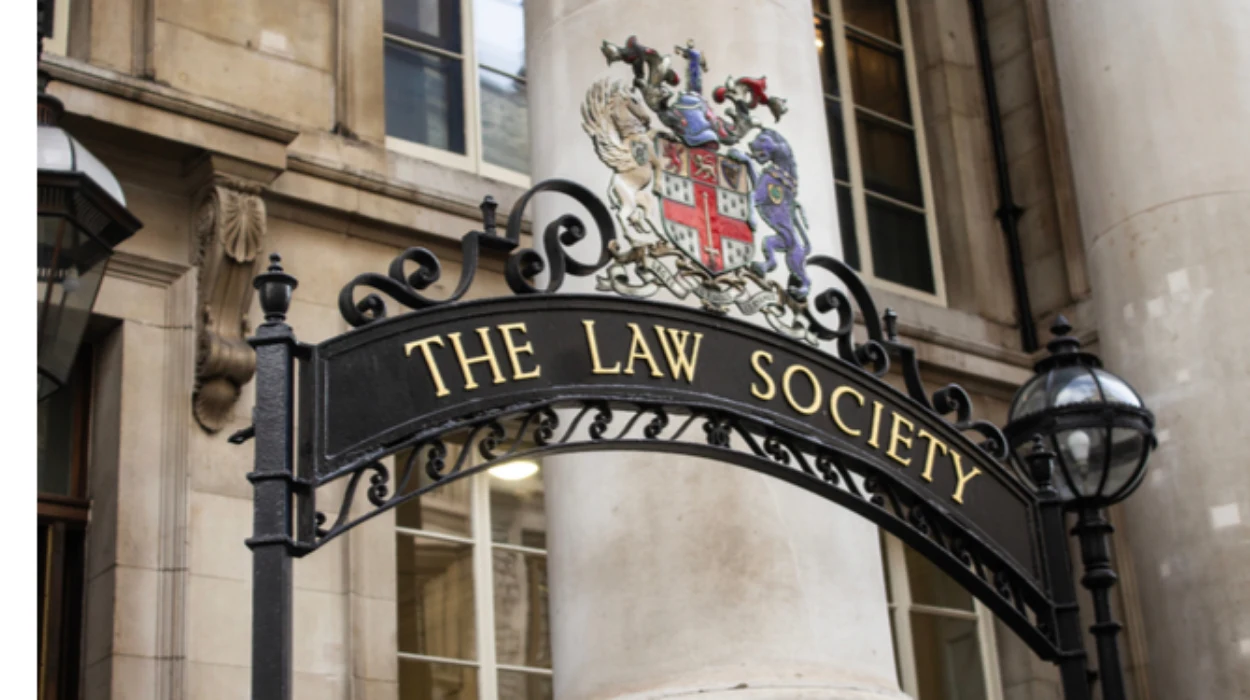
The Law Society of England and Wales and the Bar Council have voiced strong opposition to proposed UK anti-money laundering (AML) reforms, arguing they impose excessive burdens on legal professionals without adequate evidence of effectiveness. Key concerns include threats to client confidentiality, disproportionate regulation, and lack of consultation, amid ongoing government efforts to strengthen AML supervision.
The Law Society of England and Wales and the Bar Council have criticised proposed anti-money laundering reforms, warning of undue burdens on solicitors and barristers. These bodies submitted responses to a government consultation, highlighting risks to legal professional privilege and calling for a more targeted approach.
The reforms stem from a consultation launched by the Ministry of Justice and HM Treasury in late 2024, aiming to expand the scope of AML supervision for lawyers. As reported by Rachel Vidal of Global Legal Post, the Law Society stated that the proposals
“represent a significant expansion of regulatory burdens on the profession without clear evidence that they will deliver meaningful improvements in tackling money laundering.”
Law Society Vice President Richard Atkinson emphasised in their formal response: “We are deeply concerned that these reforms fail to recognise the vital role of legal professional privilege in upholding the rule of law.” The organisation argued that broadening supervision to cover all AML-related activities, rather than just specific trust or company services, could deter clients from seeking legal advice.
Background to the Reforms
The UK government’s push for AML enhancements follows recommendations from the Economic Crime and Corporate Transparency Act 2023. This legislation sought to close gaps in oversight, particularly after scandals like the Danske Bank laundering case and criticisms from the Financial Action Task Force (FATF).
As detailed in the consultation document, the reforms propose designating the Solicitors Regulation Authority (SRA) and Bar Standards Board (BSB) as fully-fledged AML supervisors for all member firms. Previously, lawyers were supervised only for certain activities under the Money Laundering Regulations 2017.
Global Legal Post’s Rachel Vidal reported that the Bar Council, led by Chair Sam Townend KC, described the plans as “disproportionate and ineffective.” Townend stated:
“The Bar Council does not support the extension of AML supervision to all barristers’ practices. This would impose significant costs and administrative burdens with little benefit to combating economic crime.”
The Bar Council further noted that barristers already comply with robust ethical standards, and full supervision could undermine their independence. They proposed alternatives like enhanced risk assessments instead of blanket regulation.
Key Objections Raised
Both professional bodies raised similar concerns, prioritising client confidentiality and practicality.
Threats to Legal Privilege
The Law Society warned that mandatory reporting requirements could erode solicitor-client privilege, a cornerstone of the justice system. Richard Atkinson said:
“Forcing lawyers to disclose client information under AML rules risks turning legal advisers into de facto investigators for the state.”
The Bar Council echoed this, with Sam Townend KC adding:
“Barristers must maintain confidentiality to provide fearless advice. These reforms blur the line between legal services and financial scrutiny.”
They cited European Court of Human Rights precedents affirming privilege as a human right.
Cost and Resource Implications
Implementation costs were a major flashpoint. The Law Society estimated that expanding SRA supervision could cost the profession up to £20 million annually in compliance fees alone.
As per Global Legal Post, the Bar Council calculated that small chambers might face £5,000-£10,000 per barrister in new levies. Sam Townend KC remarked:
“These burdens will disproportionately affect smaller practices, potentially pricing out access to justice for ordinary citizens.”
Lack of Evidence and Consultation
Critics argued the government relied on outdated data. The Law Society pointed out that lawyers handle less than 1% of UK money laundering, per National Crime Agency figures.
Richard Atkinson criticised:
“The consultation lacks empirical evidence linking these reforms to reduced crime. No impact assessment on small firms has been provided.” The Bar Council called for pilot schemes before full rollout.
Government Position
The Ministry of Justice defended the proposals as necessary to align the UK with FATF standards. A spokesperson stated:
“Strengthening AML supervision for high-risk sectors like legal services is essential to protect the economy from illicit finance.”
HM Treasury officials noted that peer jurisdictions, such as Australia and Canada, already impose similar obligations on lawyers. The consultation, running until early 2025, invites further evidence from stakeholders.
Reactions from Other Stakeholders
The SRA expressed cautious support but sought clarifications. SRA Board Chair Mark Dalton said:
“We are willing to take on expanded supervision if resourced adequately, but proportionality must guide the regime.”
The BSB similarly urged a phased approach. Director General Marie Brennan commented:
“Our focus remains on ethical compliance; AML expansion should not duplicate existing safeguards.”
Law firms weighed in variably. Linklaters partner David Harris told Legal Business (as referenced in related coverage):
“While AML vigilance is crucial, over-regulation stifles legitimate business.” Smaller practices, via the Junior Lawyers Division, highlighted fears of “regulatory overload.”
Wider Context of UK AML Landscape
This pushback occurs amid broader AML scrutiny. The Office of Financial Sanctions Implementation fined several firms in 2024 for lapses, while the Serious Fraud Office pursues cases like the GBP 1.6 billion property laundering probe.
FATF’s 2023 UK mutual evaluation praised enforcement but flagged legal sector gaps. The government aims to avoid greylisting, which hampers trade.
As Rachel Vidal of Global Legal Post observed:
“The clash underscores tensions between security imperatives and professional autonomy in the post-Brexit regulatory environment.”
International Comparisons
In the US, the Financial Crimes Enforcement Network oversees lawyers selectively. Australia’s AUSTRAC model, post-2018 banking scandal, mandates full reporting but faced court challenges on privilege.
The Bar Council referenced a 2022 EU directive narrowing lawyer exemptions, yet many member states retain opt-outs. Sam Townend KC argued:
“The UK risks going further than necessary, unlike balanced approaches in Germany or France.”
Potential Next Steps
The consultation closes in March 2025, with legislation expected by autumn. The Law Society and Bar Council plan joint lobbying.
Richard Atkinson affirmed:
“We will engage constructively but firmly oppose measures harming the profession’s integrity.” Ministers have signalled willingness to refine based on feedback.
Industry watchers predict compromises, such as tiered supervision for high-risk firms only. The SRA is preparing contingency budgets regardless.
Implications for the Profession
For solicitors and barristers, the reforms could reshape practice. Larger firms with compliance teams may adapt easily, but sole practitioners face existential pressures.
Client trust is at stake. As Sam Townend KC warned:
“Eroding confidentiality deters whistleblowers and vulnerable clients from seeking justice.”
Economically, the legal sector—contributing £70 billion to GDP—relies on global competitiveness. Over-regulation could drive business offshore.
Voices from the Frontline
Junior solicitor Emily Carter of Manchester firm Carter & Lowe shared with Solicitors Journal (cross-referenced in aggregates):
“Daily, we balance ethics and compliance. More red tape means less time for clients.”
QC barrister James Patel added:
“In fraud trials, privilege is our shield. Weakening it aids criminals, not society.”
Government Commitments
A Treasury source reiterated:
“No final decisions yet; we value professional input to ensure effective, fair rules.”
This follows Prime Minister Keir Starmer’s pledge for “world-leading” economic crime defences, post-2024 election.
Ongoing Developments
Parallel consultations cover estate agents and accountants. The Law Society links these, urging holistic reform.
As of December 2025, over 200 responses have been logged, per government portals. Analysis will inform policy.
Rachel Vidal concluded in Global Legal Post:
“The legal bodies’ unified front may force recalibration, balancing security with solicitor sanctity.”