

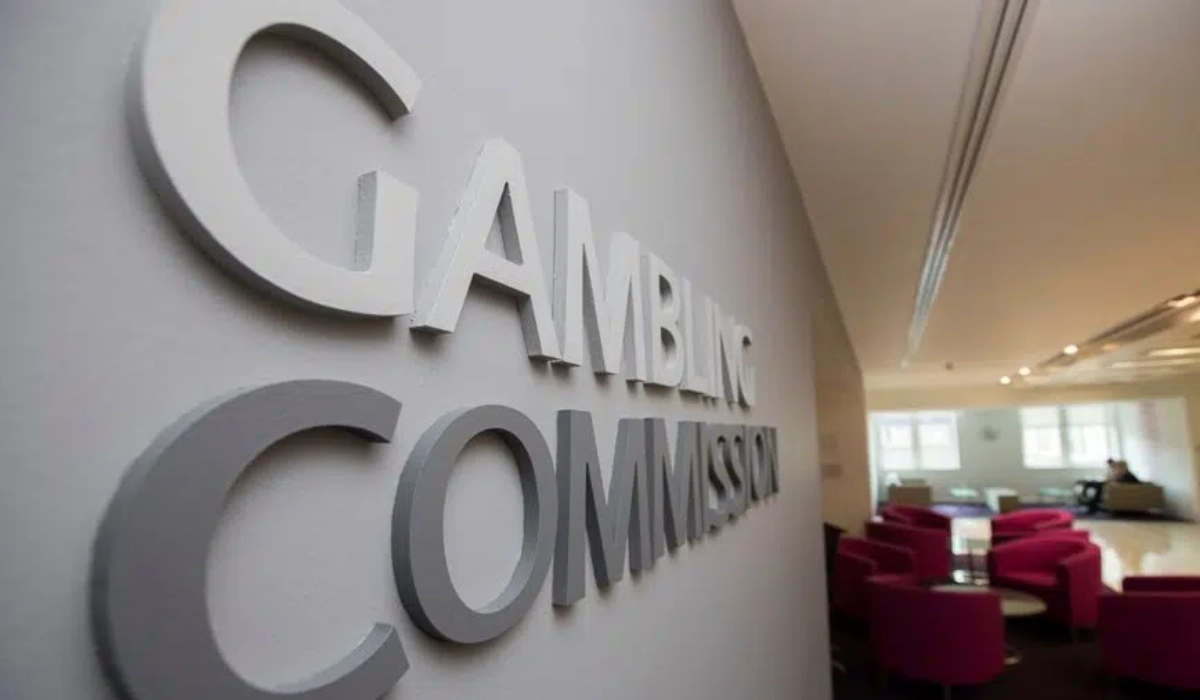
The UK Gambling Commission has suspended the operating licence of Deadheat Racing Limited, citing suspected social responsibility and anti-money laundering (AML) failings while it conducts a formal review of the operator. The suspension took immediate effect and covers both remote and non-remote betting activities, effectively halting Deadheat Racing’s UK operations while the investigation continues.
Regulatory action and legal basis
The Gambling Commission has opened a review of Deadheat Racing under section 116 of the Gambling Act 2005, a provision that allows the regulator to investigate where it suspects a licensee may be unsuitable, is breaching licence conditions or is operating against the licensing objectives. As a consequence of this review, the Commission imposed a suspension on the company’s operating licences (numbers 040247-N-320138-007 and 040247-A-320139-005), which apply to its betting services. The regulator stated that the company may have carried out activities inconsistent with the licensing objectives and not in accordance with the conditions attached to its licence.
Social responsibility and AML concerns
The Commission identified suspected social responsibility and AML failings as key factors in its decision to suspend the licence. Social responsibility rules generally require operators to identify and interact with customers at risk of gambling-related harm, implement effective affordability and safer gambling measures, and ensure marketing and product design do not exploit vulnerable individuals. AML rules for gambling businesses focus on preventing the proceeds of crime entering the financial system, requiring robust customer due diligence, ongoing monitoring, and reporting of suspicious activity.
Impact on Deadheat Racing’s operations
Deadheat Racing, which has held its UK licences since 2015, is now prohibited from offering any licensed gambling services in Great Britain while the suspension remains in force. The Gambling Commission has said that during the suspension it expects the operator to concentrate on treating consumers fairly, including keeping customers fully informed about any developments that may affect them. The company may still be required to manage existing customer relationships responsibly, such as handling account balances and resolving any outstanding bets or disputes, subject to the conditions of the suspension and any directions from the regulator.
Industry and compliance context
The case comes amid a period of heightened regulatory scrutiny in the British gambling sector, with the Commission increasingly focusing on social responsibility and AML compliance as enforcement priorities. Recent cases, including financial penalties against other operators for similar failings, highlight the regulator’s willingness to use both fines and licence suspensions to address perceived weaknesses in customer protection and financial crime controls. The action against Deadheat Racing reinforces the message that operators must maintain robust, documented systems to meet UK standards on safer gambling and AML or risk losing their permission to operate.
Next steps and potential outcomes
The review under section 116 will assess whether Deadheat Racing remains suitable to hold a licence and whether any breaches of licence conditions or regulatory requirements have occurred. Possible outcomes range from the lifting of the suspension with or without additional licence conditions, through to a financial penalty, a formal warning, or full revocation of the licence if the Commission concludes that the operator is no longer fit to trade in the regulated market. Until the review concludes and the regulator issues a further update, Deadheat Racing’s position in the UK market will remain uncertain, and the case will be closely watched by industry stakeholders as another test of the Commission’s approach to enforcement in the areas of social responsibility and AML.