

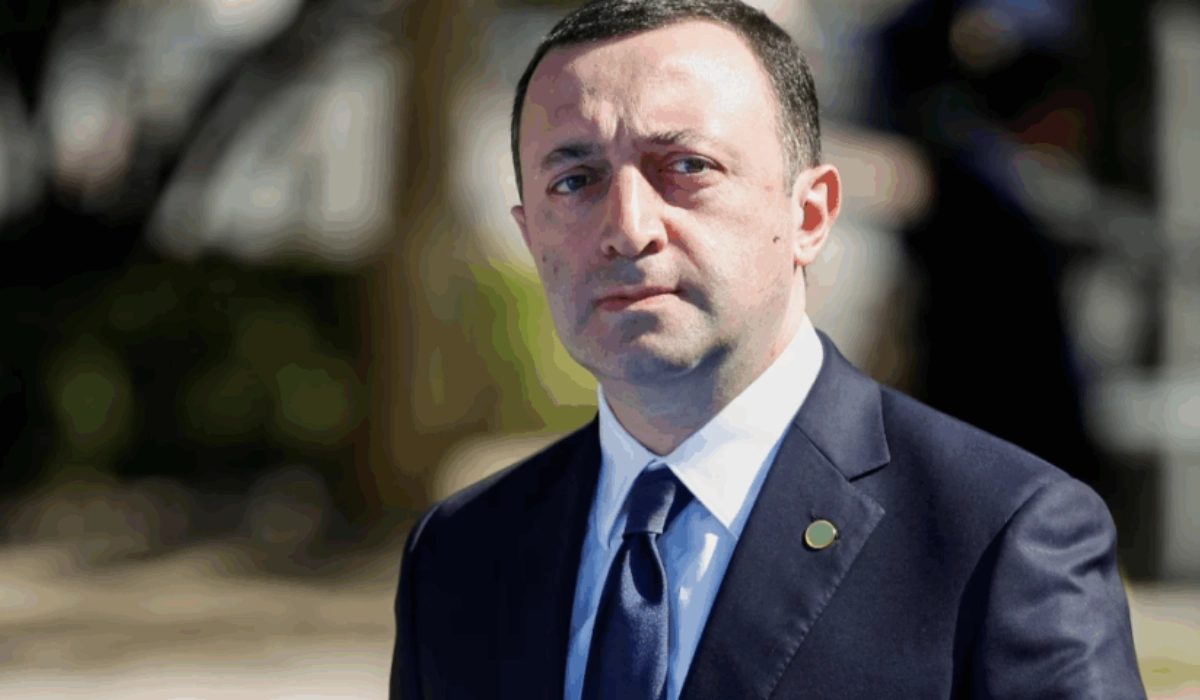
Former Georgian Prime Minister Irakli Garibashvili received a five-year prison sentence after pleading guilty to money laundering charges under Article 194, part three of Georgia’s Criminal Code. The Prosecutor’s Office announced the plea deal on January 12, 2026, which the court approved, also imposing a fine of 1 million Georgian lari (approximately $370,000 USD). Authorities confiscated funds seized from his residence during an October 2025 raid, valued at around $6.5-7 million, deeming them proceeds of criminal activity.
This conviction marks a significant development in Georgia’s anti-corruption efforts, targeting high-level officials amid broader investigations into financial crimes. Garibashvili, aged 43, admitted to the charges spanning 2019-2024, where he allegedly engaged in prohibited business activities and falsified income declarations as a public official. The case originated from anti-corruption operations that uncovered illicit funds at homes of former officials.
Garibashvili’s Political Career
Irakli Garibashvili entered politics in 2012 as a founding member of the Georgian Dream party, led by billionaire Bidzina Ivanishvili. He served as Minister of Internal Affairs (2012-2013) before becoming Georgia’s youngest prime minister at age 31 in November 2013, succeeding Ivanishvili. His first term lasted until 2015, focusing on EU and NATO aspirations, economic reforms, and signing the EU-Georgia Association Agreement.
Garibashvili later held roles as Defence Minister (2019-2021) under Giorgi Gakharia and returned as Prime Minister from 2021 to 2024. During his second tenure, he advanced judicial and electoral reforms while pushing Georgia’s EU membership application in 2022, earning a European perspective. He is married with four children and holds degrees in International Relations from Tbilisi State University and Pantheon-Sorbonne. As a close Ivanishvili ally, his career symbolized Georgian Dream’s dominance since 2012.
Details of the Charges
Prosecutors alleged Garibashvili laundered especially large sums through illegal business ventures banned for public officials between 2019 and 2024. He falsified mandatory income declarations to conceal gains, violating anti-money laundering laws. The October 2025 searches at his Tbilisi residence yielded $6.5 million in cash, triggering the plea negotiations.
Under the plea agreement, Garibashvili cooperated fully, avoiding a potentially harsher trial outcome. Article 194 of the Criminal Code addresses money laundering, with part three covering aggravated cases involving large amounts. Confiscated assets will fund the state treasury, underscoring Georgia’s push for financial transparency. This framework aligns with international AML standards, though enforcement against elites remains rare.
Broader Context and Reactions
The sentencing occurs amid Georgia’s political turbulence, including ruling party shifts and Western concerns over democratic backsliding. Garibashvili’s conviction is the first jailing of a senior Georgian Dream figure, following opposition crackdowns. Critics link it to internal power struggles post-2024 elections, while supporters view it as rule-of-law progress. No public comment from Garibashvili or Ivanishvili has emerged yet.
This case highlights Georgia’s AML evolution, with raids targeting multiple ex-officials since October 2025. International observers note it as a test for judicial independence amid EU integration bids. His lawyer confirmed cooperation during pre-sentencing proceedings. The event draws parallels to prior probes, like those involving Ivanishvili allies in cryptocurrency laundering.
Implications for Georgia’s AML Landscape
Garibashvili’s guilty plea reinforces Georgia’s commitment to combating financial crimes, potentially deterring elite corruption. Fines and forfeitures exceed $370,000 plus millions in assets, signaling robust enforcement. As a former PM, his fall impacts Georgian Dream’s image ahead of future polls.
Experts anticipate ripple effects on regional financial governance, boosting credibility for EU accession. Ongoing investigations into related figures could expand the probe. This high-profile outcome may strengthen public trust in AML institutions. Georgia’s laws, harmonized with global standards, now face scrutiny in application to power brokers.