

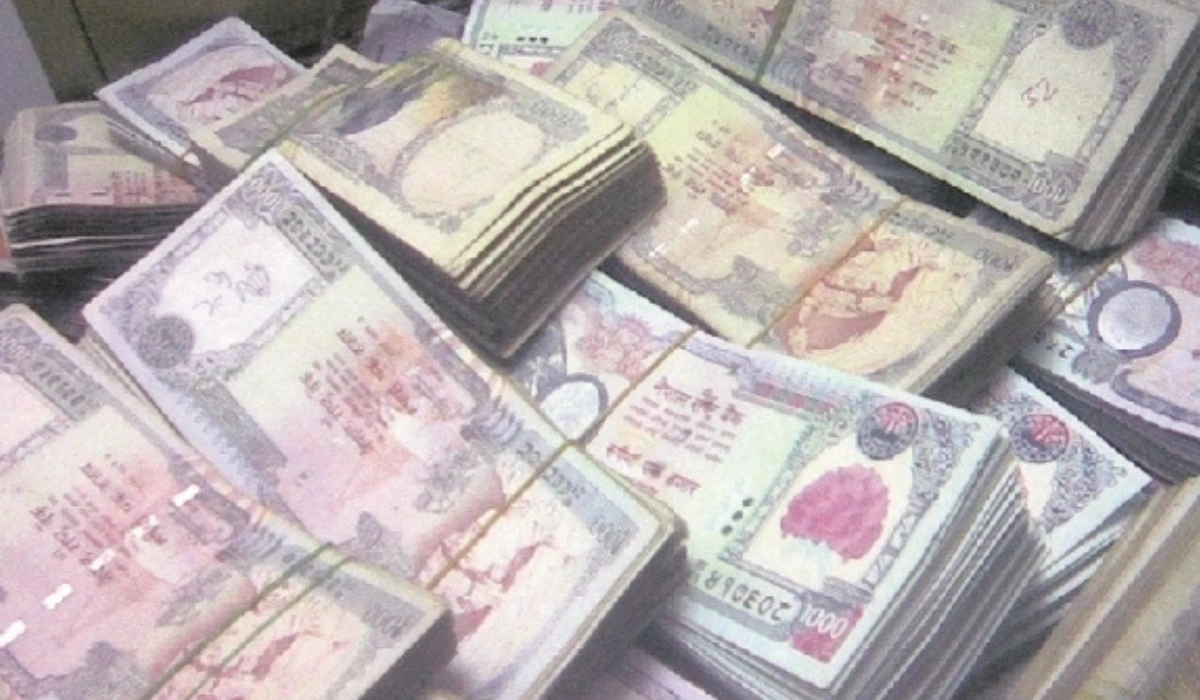
Nepal has capped cash-based payments for goods and services at NPR 500,000 per transaction from January 15, requiring larger transactions to route through banks or other formal channels to strengthen anti‑money laundering controls. The move is framed as a response to heightened scrutiny from the Financial Action Task Force (FATF) and aims to reduce the risks of money laundering, terrorist financing and untraceable cash flows in the economy.
New cash transaction cap
- The government has set a ceiling of NPR 500,000 on the purchase or sale of any goods, services or other transactions in a single cash deal, effective mid‑January.
- Any transaction at or above this threshold must now be conducted through a financial institution or using a banking instrument such as account‑payee cheques, bank transfers or digital payment channels.
Legal basis and policy context
- Authorities have stated that the restriction has been introduced under powers granted by the Asset (Money) Laundering Prevention Act, 2008, which allows the government to curb high‑value cash dealings.
- Officials argue that large cash transactions have been used to conceal illicit funds, facilitate tax evasion and keep parts of the economy outside formal regulatory oversight, prompting tighter controls.
FATF grey list and AML concerns
- The decision comes as Nepal faces pressure over its anti‑money laundering framework, including being placed back on the FATF grey list for strategic deficiencies in combating illicit finance.
- Policymakers contend that reducing the permissible cash threshold demonstrates Nepal’s commitment to international AML standards and helps mitigate reputational and financial risks linked to prolonged grey‑listing.
Central bank directive and banking rules
- Nepal Rastra Bank has directed licensed banks and financial institutions that any payment of NPR 500,000 or more must be made either via account‑payee cheque or by depositing funds directly into the beneficiary’s account.
- The central bank has lowered the earlier limit of NPR 1 million, tightening the requirement that cheques issued in the name of firms, companies, institutions or offices be settled strictly as account‑payee instruments.
Exceptions and flexibility provisions
- The cap does not apply to cash deposits made into bank accounts, repayment of bank loans (including principal and interest) or cash dealings conducted between regulated financial institutions.
- Authorities have also clarified that the rule does not restrict the possession or domestic transport of cash above the threshold, provided the source and intended use of the funds are properly disclosed when required.
Special‑case withdrawals and customer access
- Financial institutions are allowed to disburse cash exceeding the NPR 500,000 limit to depositors in exceptional cases if the customer submits a written request detailing specific reasons for needing large cash.
- Banks may grant such requests only when they deem the explanation reasonable, keeping a record that can be reviewed by supervisors and AML authorities for compliance purposes.
Economic and business implications
- The government expects the measure to push more high‑value transactions into the formal financial system, improving traceability, expanding the tax base and strengthening overall financial transparency.
- Businesses dealing in real estate, automobiles, high‑value consumer goods and bulk trade are likely to see a greater shift toward bank‑based payments, which could raise compliance costs but also reduce cash‑related security and audit risks.
Reaction from stakeholders
- Supporters in policy and regulatory circles view the cap as a necessary step to curb the circulation of undeclared money and to modernise Nepal’s payment ecosystem through wider use of digital and banking channels.
- Some business representatives and analysts have cautioned that the abrupt tightening could inconvenience cash‑reliant traders and rural stakeholders, and have called for clear communication, phased implementation and robust digital infrastructure to avoid disruption.
Broader reform agenda
- Officials have indicated that the cash ceiling forms part of a broader agenda to improve financial discipline, strengthen enforcement of AML and counter‑terrorist financing regulations, and align with global benchmarks.
- The authorities argue that sustained reforms in transaction reporting, customer due diligence and cross‑border monitoring will be needed alongside the cash cap to address structural vulnerabilities in Nepal’s financial system.