

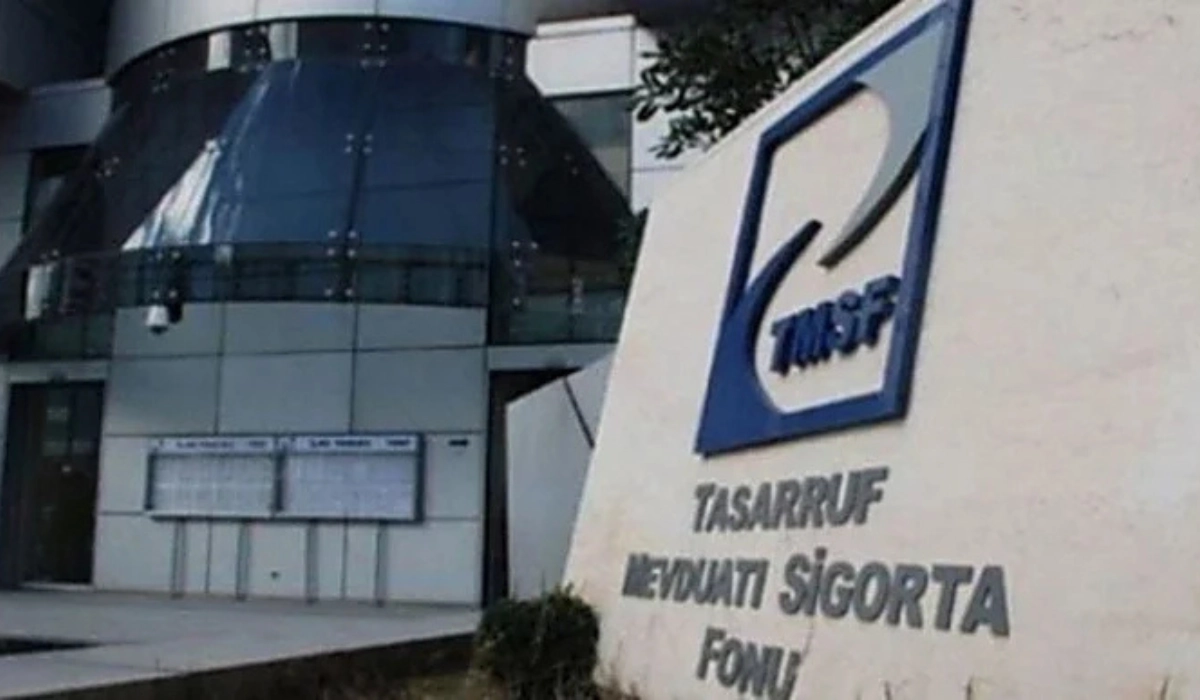
Turkish law enforcement executed the seizures as part of a broader investigation led by the Istanbul Chief Public Prosecutor’s Office into networks facilitating illegal betting and laundering proceeds through suspicious financial transactions. The targeted assets include a yet-to-be-named football club and eight companies suspected of channeling illicit funds from unauthorized gambling activities. Evidence compiled by the Financial Crimes Investigation Board (MASAK), licensed betting platforms, phone records, and digital materials from prior raids supports the probe, revealing links to match-fixing attempts, such as the October 26, 2024, Kasımpaşa-Samsunspor Süper Lig match.
Prosecutors allege the entities engaged in organized illegal betting operations, with funds laundered via complex banking flows and business fronts. This phase builds on earlier waves that detained dozens, including players betting against their teams and high-profile executives like former Galatasaray vice president Erden Timur. The seizures aim to freeze assets and disrupt operations, preventing further dissipation of criminally derived proceeds.
Legal Framework
The case invokes multiple Turkish statutes, including Law No. 6222 on preventing sports irregularities, Law No. 5549 on money laundering, and Law No. 7258 regulating betting and chance games. Violations carry severe penalties, such as up to 12 years imprisonment for match manipulation and permanent bans from football activities. The Turkish Football Federation (TFF) complements criminal probes with disciplinary actions, having suspended over 1,000 players, referees, and observers since late 2024 for betting infractions.
MASAK’s role proves pivotal, flagging anomalous transactions tied to betting spikes around scrutinized matches. Authorities describe the network as sophisticated, involving insiders placing outcome-influencing wagers and facilitators handling cash flows.
Broader Betting Scandal Context
This seizure fits into Turkey’s largest football integrity crisis since the 2011 match-fixing scandal, which led to widespread bans. Since October 2024, probes have netted arrests of 17 referees, club presidents like Eyüpspor’s Murat Özkaya, and over 100 players from Süper Lig and lower divisions. In December 2025 alone, 29 suspects—including 14 players like Bahattin Berke Demircan and TFF official Buğra Cem İmamoğulları—faced detention for betting linked to self-sabotaging wagers.
TFF imposed precautionary suspensions on 30 match observers in late December 2025, citing Article 57 of its discipline code prohibiting stakeholder gambling. Upper-class observers like Aytekin Durmaz now await Professional Football Discipline Board (PFDK) rulings that could end their careers. The scandal implicates 371 of 571 referees with betting accounts, per government data.
Implications for Turkish Football
The asset seizures signal intensified financial scrutiny, potentially crippling operations of implicated clubs and firms. Football stakeholders face heightened compliance demands, with TFF vowing zero tolerance to restore Süper Lig credibility amid fan outrage and sponsorship risks. Economically, illegal betting drains licensed platforms, estimated at billions in lost revenue annually, while laundering erodes financial system trust.
Internationally, the probe draws parallels to global efforts like UEFA’s integrity monitoring, pressuring Turkey to align with FIFA standards. Prosecutors hint at more actions, targeting remaining fugitives and expanding to provincial networks. As of January 2026, the case remains active, with PFDK hearings and court proceedings set to unfold.