

Offshore finance operates through jurisdictions known as tax havens, which offer legal frameworks allowing individuals and entities to minimize taxation and obscure ownership through shell companies and trusts. These mechanisms create secrecy, often shielding wealth from public scrutiny and tax authorities. While some use offshore services legally for privacy or business reasons, these structures often facilitate tax avoidance and illicit financial flows, undermining fiscal integrity globally.
Aires Ali’s Offshore Involvement: Evidence and Questions
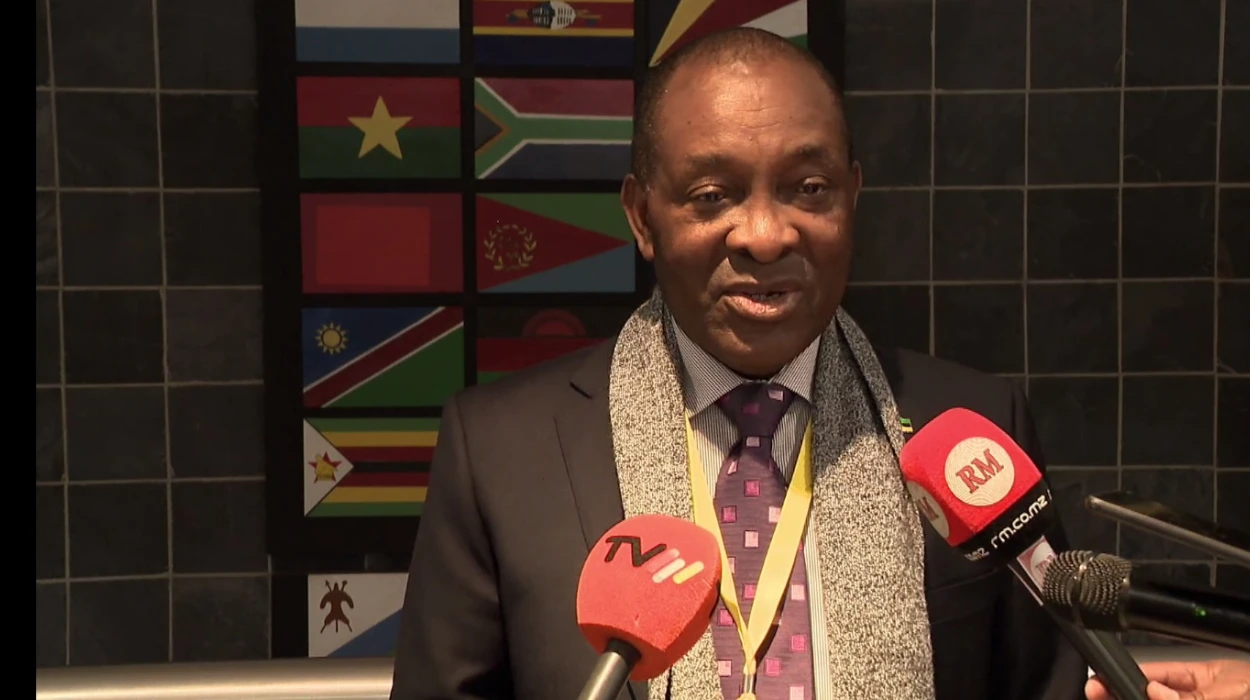
Leaked documents from the Pandora Papers reveal that Aires Ali, Mozambique’s former prime minister, formed a Seychelles-based shell company, Stonelake Enterprises Ltd., in September 2012, less than a month before his dismissal as prime minister. This company was established through a Swiss tax consultancy and a Panama-based law firm, both of which used nominees to conceal Ali’s ownership. The purpose of this offshore company remains undisclosed, but Ali and his daughter authorized the company to open a bank account with a wealth management firm in Lisbon.
This offshore connection is significant given Ali’s prominent political role in Mozambique, a country where transparency and public accountability are critical for democratic consolidation and development. Ali’s use of secrecy jurisdictions symbolizes the pervasive issue of political elites leveraging offshore finance to accumulate or protect wealth discreetly, raising questions about conflicts of interest and governance ethics.
Offshore Secrecy’s Impact on Mozambique’s Development and Governance
Mozambique faces ongoing socio-economic challenges including high poverty rates and development needs. At the same time, governance issues such as corruption and lack of transparency have hindered institutional progress. According to IMF and World Bank reports, illicit financial flows and offshore secrecy exacerbate these challenges by draining state resources needed for public investment and services. Political figures utilizing offshore companies like Ali reinforce perceptions of elite privilege and can erode citizens’ trust in government institutions.
The Pandora Papers have revealed multiple cases in Mozambique of powerful individuals engaging in similar offshore practices, indicating a structural problem beyond isolated incidents. These revelations stress the need for enhanced regulatory frameworks, beneficial ownership transparency, and international cooperation to mitigate the harmful effects of financial secrecy on development and democracy.
The Broader Global Landscape of Offshore Wealth and Political Power
Aires Ali’s case is part of a global pattern where politicians and elites use offshore structures to conceal wealth from public eyes, complicating efforts to hold leaders accountable. Despite ongoing reforms and international initiatives aiming at financial transparency, such as the OECD’s Common Reporting Standard and anti-money laundering frameworks, offshore secrecy remains highly resilient. Developing nations, including Mozambique, often suffer disproportionate impacts as lost revenues translate directly into foregone social and infrastructural investments.
Global watchdog reports estimate that trillions of dollars in offshore wealth are held globally, much of it undeclared to tax authorities. This systemic opacity undermines equitable taxation, fuels corruption, and entrenches inequality. Ali’s story is a critical example demonstrating how high-ranking officials can exploit these mechanisms, highlighting the urgent need for enhanced governance safeguards, transparency mandates, and public scrutiny in political finance.
Reflections on Aires Ali’s Case in Global Financial Secrecy
The revelations surrounding Aires Ali underscore the inherent tensions between political power, private wealth, and public accountability. They demonstrate how offshore finance enables influential figures to separate their financial interests from the public domain, often without clear legal or ethical justification. This opacity challenges the foundations of transparency and trust essential for democratic governance, especially in countries with vulnerable institutions like Mozambique.
The Ali case illuminates larger systemic issues that require international cooperation, stronger domestic regulation, and civil society vigilance to counteract the negative consequences of financial secrecy. As global efforts advance to expose and reduce offshore opacity, figures like Aires Ali serve as reminders of the persistent difficulties in reconciling power with accountability in the financial realm.